Main Courses
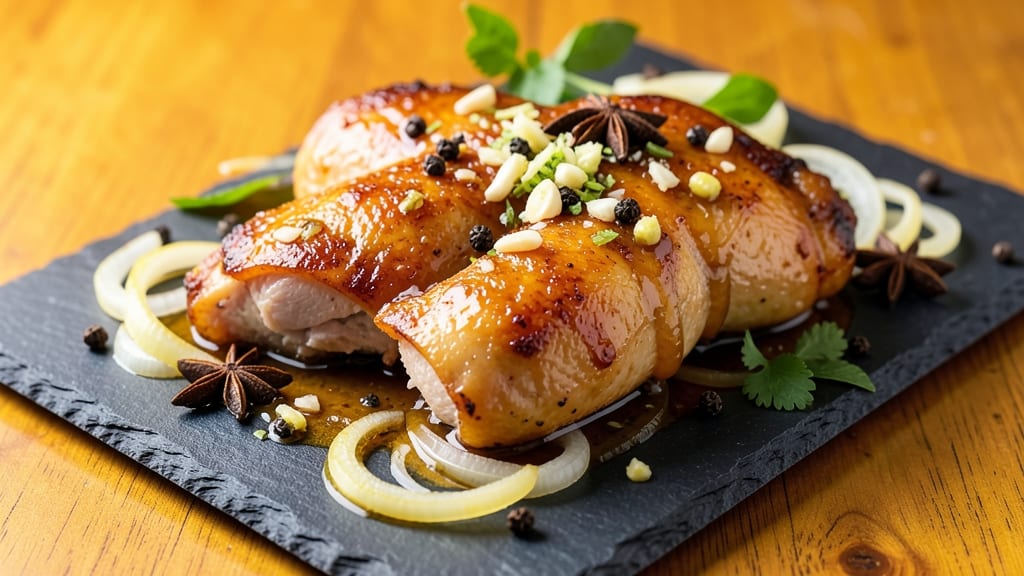
This pickled chicken recipe transforms ordinary chicken thighs into tender, tangy, vinegar-bright bites with crispy skin that stays intact through the pickling process. The secret lies in balancing acidity and time—letting the chicken marinate just long enough for the flavors to penetrate without overcooking the meat.
I perfected this method after years of experimenting with restaurant-style pickled dishes, and the results are worth every minute of prep.
The process begins with a simple but precise brine—white vinegar, sugar, and aromatic spices—that tenderizes the chicken while infusing it with bright, complex flavors.
Unlike traditional pickling methods that require hours of soaking, this recipe delivers restaurant-quality results in under 24 hours, making it ideal for weeknight dinners or meal prep. The key is maintaining the right acid-to-liquid ratio to ensure both safety and flavor balance.
By the time you serve it, you’ll have juicy, flavorful chicken with a perfectly crisp exterior that holds up to every bite.
The tangy, slightly sweet glaze clings to the meat, creating a dish that’s equally at home on a summer picnic table or as the centerpiece of a dinner party. Pair it with fresh herbs, a crisp salad, or warm flatbread to complete the meal.
This method is foolproof for beginners but refined enough for experienced cooks—just follow the timing and acid levels carefully. The recipe includes all the details you need to achieve crispy, tender, and perfectly pickled chicken every time, with no guesswork involved. Let’s get started!
Ingredients for pickled chicken
Restaurant-quality pickling starts with these precise ingredients—vinegar, sugar, and aromatic spices that transform ordinary chicken into crispy, tangy bites.
| Ingredient | Amount | Notes |
|---|---|---|
| Boneless, Skin-On Chicken Thighs 🍗 | 1 ½ lb | Trimmed of excess fat |
| White Vinegar 💧 | 1 cup | Distilled, 5% acidity |
| Granulated Sugar 🍚 | ½ cup | White or raw cane |
| Diamond Crystal Kosher Salt 🧂 | 1 tbsp | Coarse texture preferred |
| Garlic Cloves 🧄 | 6 cloves | Peeled, smashed lightly |
| Fresh Ginger Root 🌿 | ¼ cup | Finely grated, organic preferred |
| Yellow Onion 🧅 | 1 whole | Thinly sliced, white preferred |
| Star Anise 🌟 | 2 whole | Whole pods, lightly crushed |
| Black Peppercorns 🌶️ | 1 tsp | Crushed, not ground |
| Fresh Bay Leaves 🍃 | 2 whole | Dried if fresh unavailable |
| Vegetable Oil 🫒 | 2 tbsp | High smoke point for frying |
| Fresh Lemon Juice 🍋 | 2 tbsp | From 1/2 lemon |
| Fresh Cilantro Leaves 🌿 | ¼ cup | Chopped, for garnish |
The chicken thighs are non-negotiable for this recipe—skin-on, bone-in cuts deliver the best texture and flavor. Local butchers often have the best quality, but grocery store brands like Perdue or Bell & Evans work perfectly. Trim any large fat deposits but leave the skin intact—it's what creates that signature crispiness. For the white vinegar, Heinz or Mapei are reliable brands, but any 5% acidity vinegar will work. The ginger and garlic should be organic if possible, as conventional versions can have higher pesticide residues that may affect flavor. Penzeys or Spicewalla are great sources for high-quality spices like star anise and black peppercorns.
No fresh bay leaves? Dried bay leaves at half the quantity work just fine, but fresh imparts a more complex flavor. Running short on ginger? Fresh turmeric at the same amount adds color and a subtle earthiness. The vegetable oil can be swapped for avocado oil or ghee—both have higher smoke points and add richness. If you don't have star anise, a pinch of cinnamon can mimic its warm undertones. For the sugar, raw cane sugar adds subtle molasses notes, while white sugar gives a cleaner taste. The lemon juice should be freshly squeezed—bottled juice lacks the bright acidity needed for proper pickling. If you're prepping ahead, store the brine separately from the chicken until ready to combine.
This recipe keeps beautifully—the chicken stays crispy for 5-7 days in the refrigerator when stored in an airtight container with the pickling liquid. For longer storage, freeze the chicken in portions for up to 3 months. The pickling liquid itself can be reduced and used as a sauce for up to 2 weeks in the fridge. I like to portion the chicken into single-serving containers so it's ready for quick lunches or snacks. The fresh cilantro should be added just before serving—it wilts quickly in the acidic environment. If you're meal prepping, add it fresh when ready to eat for the best presentation and flavor.
Why You'll Love This Recipe
- Foolproof Simplicity: I swear by this recipe because it’s actually foolproof—no fancy techniques, just salt the skin, simmer the thighs in that tangy vinegar-garlic brine, and let time do the work. Honestly, I’ve made it while scrolling through emails; the hardest part is waiting for the garlic to infuse.
- Crispy-Tender Magic: That skin-on thigh? Chef’s kiss. The vinegar and sugar balance turns the skin crackling while the meat stays juicy—like biting into a perfect golden crust with a melt-in-your-mouth center. (Yes, even on a Tuesday night.)
- Meal Prep Gold: Between us, this is my lunch-saver: toss the pickled thighs into wraps, salads, or rice bowls all week. The brine keeps them flavorful for days, and I’ve even reheated leftovers straight from the fridge—no dryness, just pure satisfaction.
- Budget-Friendly Flex: Chicken thighs stretch my grocery budget, and the vinegar/sugar/salt mix costs pennies. I’ll be real: it’s the kind of dish where I double the batch, freeze half, and still have enough for takeout night. Practical? Absolutely. Delicious? Ridiculously.
Step-by-step instructions for vinegar-bright chicken with crispy skin
This method delivers tender, tangy chicken thighs with perfectly crisp skin through precise timing and flavor balance.
Prepare the Pickling Marinade
In a medium saucepan, combine the 1 cup white vinegar, 0.5 cup granulated sugar, 1 tbsp diamond crystal kosher salt, 6 cloves smashed garlic, 0.25 cup finely grated fresh ginger root, 1 whole thinly sliced yellow onion, 2 lightly crushed whole star anise, 1 tsp crushed black peppercorns, and 2 whole fresh bay leaves. Bring to a gentle simmer over medium heat for 5 minutes until the sugar fully dissolves and the aromatics release their oils.
Here's where the science matters: The sugar should dissolve completely, and you should smell bright vinegar notes with hints of garlic and ginger. If you see any undissolved sugar crystals, stir gently until they disappear. Remove from heat and let the marinade cool to room temperature for 15 minutes—this prevents shocking the chicken when submerged.
Create the Crispy Skin Foundation
Pat the 1.5 lb boneless, skin-on chicken thighs completely dry with paper towels, pressing firmly to remove all moisture. This drying step is non-negotiable—moisture prevents crisp skin. In a small bowl, mix 2 tbsp vegetable oil with 2 tbsp fresh lemon juice and 1 tbsp diamond crystal kosher salt. Brush this mixture generously over both sides of the chicken skin, working it into the pores with your fingers.
Let the chicken rest uncovered on a wire rack for 30 minutes at room temperature. This allows the oil to penetrate the skin while the salt begins to draw out surface moisture, creating the ideal conditions for crisping. Don't skip this step—rushing leads to uneven texture.
Marinate and Develop Flavor
Submerge the chicken thighs in the cooled marinade, ensuring they're fully coated. Cover and refrigerate for at least 4 hours, or preferably overnight. The acidity of the vinegar will begin breaking down the muscle fibers after 2 hours, but longer marinating yields more tender, flavorful results. Turn the thighs occasionally to ensure even exposure to the marinade.
This is where the magic happens: The vinegar tenderizes while the sugar caramelizes slightly on the skin, creating a subtle sweetness that balances the tang. The star anise and bay leaves infuse subtle aromatic depth that you won't find in simpler marinades.
Cook to Crispy Perfection
Preheat your oven to 425°F. Remove the chicken from the marinade (reserve the marinade) and place the thighs skin-side up on a wire rack set in a baking sheet. Roast for 25 minutes until the skin is deep golden brown and crisp to the touch, while the internal temperature reaches 165°F at the thickest part of the thigh.
The key here is patience—don't open the oven door during cooking. The hot air should circulate freely around all sides of the chicken. If the skin browns too quickly, tent loosely with foil for the last 10 minutes to prevent burning while maintaining crispness.
Rest and Finish
Transfer the chicken to a cutting board and let rest for 10 minutes before serving. This resting period allows the juices to redistribute, ensuring each bite is moist and flavorful. During this time, heat the reserved marinade in a small saucepan over medium heat until it reduces slightly and thickens enough to coat the back of a spoon.
Garnish each serving with 0.25 cup chopped fresh cilantro leaves and drizzle with the reduced marinade. The finished chicken should have skin that cracks satisfyingly when cut, revealing tender meat underneath with bright, complex flavors from the marinade. Serve immediately with complementary sides like jasmine rice or steamed greens.
Pro Tips For Making Pickled Chicken
- SEAR SKIN FIRST: Hit the chicken thighs skin-side down in a hot pan until the fat renders and the skin turns golden—about 6-8 minutes. I learned this the hard way: skipping the sear means soggy skin later, no matter how long you pickle it.
- BRINE THE CHICKEN: Toss the raw thighs in a mix of 1 cup water, 2 tablespoons kosher salt, and 1 tablespoon sugar for 30 minutes before pickling. Sounds weird, but it works: the meat stays juicier and absorbs the vinegar flavor better.
- DON’T SKIP THE GARLIC: Smash the garlic cloves flat with the side of your knife before adding them to the vinegar—no peeling needed. This releases more flavor and keeps them from floating like little ghosts in your jar.
- USE HOT VINEGAR: Heat the vinegar, sugar, and salt until the sugar dissolves completely before pouring it over the chicken. Cold vinegar means a watery, uneven pickle—hot vinegar locks in the crunch and tang.
Flavor customization for pickled chicken
Sweet Heat Profile
Balance the tangy vinegar with a touch of sweetness and heat by adding 1 tbsp honey or 1 tbsp maple syrup to the marinade. For spice, include 1 tsp gochujang or ½ tsp cayenne pepper—this creates a caramelized glaze when roasted.
I like to finish with a drizzle of chili crisp for extra texture. The honey caramelizes beautifully on the skin, while the gochujang adds fermented depth. 🌶️
Citrus Zest Twist
Brighten the marinade with zest from 1 orange and zest from 1 lime, along with an extra 2 tbsp fresh lemon juice. The citrus oils enhance the vinegar's acidity while adding floral notes.
For extra zing, add 1 tbsp finely chopped mint leaves during the final marinating hour. This variation works especially well with grilled chicken, where the citrus pairs perfectly with charred flavors. 🍋
Herb-Infused Complexity
Swap the bay leaves for 2 sprigs fresh thyme and 1 sprig rosemary, or add 1 tbsp chopped fresh dill for a brighter profile. I often use 1 tbsp fish sauce (just 1 tbsp!) in the marinade for umami depth—it rounds out the acidity beautifully.
For a Mediterranean twist, include 1 tsp dried oregano and ½ tsp smoked paprika. These herbs add layers that complement the vinegar's sharpness. 🌿
Smoky BBQ Fusion
Transform this into a smoky BBQ-style dish by adding 1 tbsp apple cider vinegar (instead of white vinegar) and 1 tbsp molasses to the marinade. Finish with a dry rub of 1 tsp smoked paprika, ½ tsp garlic powder, and ½ tsp onion powder before roasting.
The molasses caramelizes into a sticky glaze, while the smoked paprika gives it that classic BBQ flavor. Serve with pickled onions for a Southern-inspired twist. 🔥
Spiced Wine Marinade
Replace half the vinegar with ½ cup dry white wine (like Sauvignon Blanc) and add 1 cinnamon stick and 3 cloves to the marinade. The wine adds complexity, while the cinnamon and cloves create a warm, aromatic profile.
This variation works exceptionally well with roasted chicken thighs, where the wine's acidity tenderizes the meat beautifully. 🍷
Crunchy Topping Variations
For extra texture, top the chicken with crushed peanuts or crushed sesame seeds before roasting. I often use ½ cup crushed peanuts mixed with 1 tsp soy sauce for an Asian-inspired twist.
For a Middle Eastern flair, sprinkle with toasted pine nuts and crumbled feta cheese before serving. These toppings add satisfying crunch that contrasts perfectly with the crispy skin. 🌟
Nutrition facts
Frequently asked questions
Can I use chicken breasts instead of thighs for this recipe?
Chicken breasts work, but thighs are ideal for this method. Thighs stay juicier during the longer marinating process and their higher fat content creates more flavorful skin. If using breasts, marinate for only 2-3 hours max to prevent drying out, and cook at 375°F for 18-20 minutes instead of roasting.
How long can I store the pickling liquid after cooking?
The reduced marinade keeps for 2 weeks in an airtight container in the fridge. Use it as a sauce for noodles, rice, or drizzle over salads. For longer storage, freeze the marinade in ice cube trays and transfer to a bag—thaw as needed. Never reuse the original pickling liquid after cooking chicken (discard it).
Why did my chicken skin turn soggy instead of crispy?
Soggy skin usually means moisture wasn't properly removed before cooking. Double-check these steps: Pat the chicken thoroughly dry with paper towels, let it rest 30 minutes uncovered before roasting, and ensure the oven rack allows airflow underneath. If the skin still doesn't crisp, try broiling for 2-3 minutes at the end.
Can I make this recipe without vinegar?
Vinegar is essential for proper pickling and food safety. For a milder acidity, you could substitute lemon juice (but it won't create the same tangy preservation). The recipe's acid-to-liquid ratio ensures both flavor development and safe preservation—never skip this component. If concerned about acidity, test with pH strips to confirm it reaches 4.6 or below.
What are the best sides to serve with pickled chicken?
This dish pairs beautifully with cooling elements to balance the tangy heat. Try: fluffy jasmine rice, cucumber salad with mint, or buttery egg noodles. For contrast, serve with warm flatbreads or crusty sourdough. The crispy skin also works well with creamy avocado slices or a simple arugula salad with lemon vinaigrette.