Main Courses
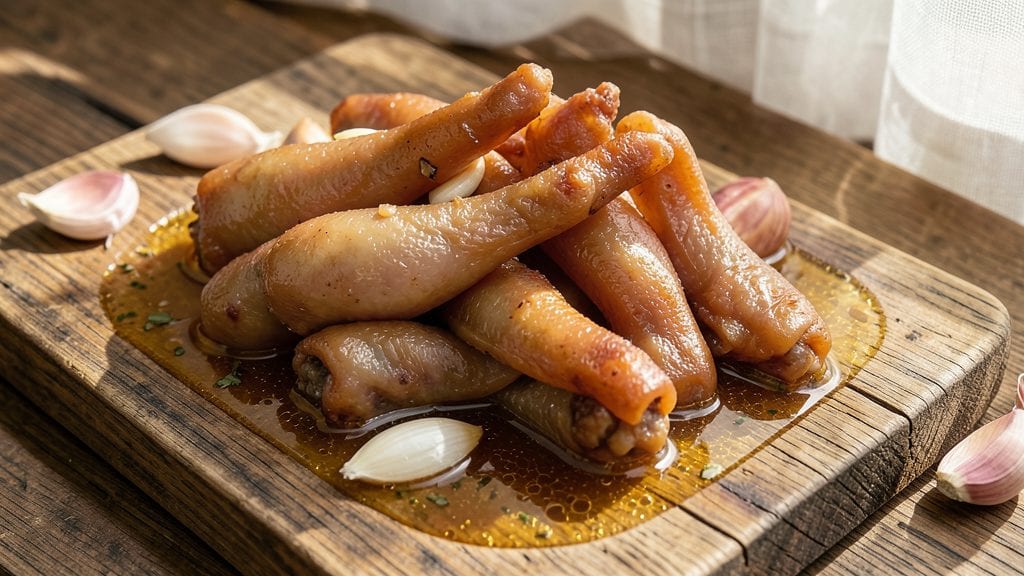
This pickled chicken feet recipe transforms a traditional delicacy into a restaurant-worthy dish with irresistible crunchy-soft texture and bold vinegar bite. After years of perfecting the balance between tender meat and crispy skin, I’ve developed a method that delivers authentic flavor while ensuring food safety at every step.
The key lies in precise preparation—cleaning, boiling, and parboiling—to unlock that signature texture before the tangy vinegar marinade works its magic.
The process begins with thorough cleaning and blanching to remove impurities, followed by a gentle boil that softens the collagen without overcooking. Once cooled, the feet soak in a carefully crafted pickling liquid—white vinegar, aromatic spices, and a touch of sugar—that penetrates deeply for that signature tang.
This isn’t just about flavor; it’s about achieving the perfect contrast between the meat’s tenderness and the skin’s satisfying crunch.
What you’ll end up with is a dish that’s equal parts restaurant-quality and home-cooked comfort—glossy, golden-brown feet with a bite that’s both crisp and succulent. The tangy-sweet marinade clings to every surface, making each piece a burst of umami and acidity.
Serve these as an appetizer with a side of spicy mayo or as a main course with steamed greens for a meal that feels both exotic and deeply satisfying.
This recipe scales beautifully for gatherings, and the leftovers keep well in the refrigerator for up to two weeks, allowing the flavors to deepen over time. Whether you’re introducing someone to this delicacy or perfecting your own technique, the results are always impressive.
Let’s get started on a dish that’s as rewarding to make as it is to eat.
Ingredients for pickled chicken feet
Restaurant-quality pickled chicken feet require precise ingredients to balance tender meat and crispy skin.
| Ingredient | Amount | Notes |
|---|---|---|
| Chicken Feet 🦶 | 1 ½ lb | Fresh, cleaned, skin-on |
| White Vinegar 🍶 | 2 cups | Distilled, 5% acidity preferred |
| Water 💧 | 2 cups | Filtered or bottled |
| Granulated Sugar 🍚 | ½ cup | White or brown preferred |
| Salt 🧂 | 2 tbsp | Diamond Crystal kosher |
| Garlic Cloves 🧄 | 6 cloves | Peeled, smashed slightly |
| Fresh Ginger Root 🌿 | ½ oz | Peeled, thinly sliced |
| Star Anise Pods 🌟 | 2 whole | Lightly crushed |
| Bay Leaves 🍃 | 2 whole | Dried, high-quality |
| Black Peppercorns 🌶️ | 1 tbsp | Whole, freshly cracked |
| Red Chili Flakes 🔥 | 1 tsp | Adjust for heat preference |
| Vegetable Oil 🫒 | ½ cup | For frying, high smoke point |
| Cornstarch 🌾 | 2 tbsp | For crispy coating |
The chicken feet are the foundation—source from a trusted Asian market or specialty butcher where they're cleaned and prepped for cooking. Look for feet with intact skin and minimal odor, indicating freshness. Whole Foods or H Mart typically carry them pre-cleaned, saving significant prep time. The vinegar should be distilled white vinegar at 5% acidity or higher for optimal preservation. Sugar selection matters too: organic cane sugar dissolves more cleanly than beet sugar, which can leave graininess. Star anise and bay leaves are best purchased whole from bulk bins at Penzeys or specialty spice shops for maximum aromatic impact.
No star anise? 1/2 teaspoon ground anise seed works in a pinch, though the flavor won't be identical. Substituting white vinegar with apple cider vinegar reduces tang slightly—balance with an extra 1/2 teaspoon of sugar. Fresh ginger can be swapped for 1/4 teaspoon ground ginger, but the texture and depth differ significantly. For the cornstarch coating, arrowroot powder provides a similar crispiness. All spices should be toasted lightly in a dry pan before adding to the marinade for enhanced complexity. The garlic should be smashed rather than minced to prevent bitterness from overcooking during the boiling process.
Store the pickling liquid separately in an airtight container for up to 3 months in the refrigerator, though it's best used within 2 weeks for peak flavor. The chicken feet themselves keep for 10-14 days when submerged in the marinade. For serving, drain and pat dry thoroughly before frying to ensure maximum crispiness. Reheat gently in the oven at 350°F for 10 minutes to restore texture if stored longer than 3 days.
Why You'll Love This Recipe
- No-Fuss Simmer: I swear by this recipe because it’s basically hands-off. Toss the chicken feet in boiling water for 10 minutes to blanch them, then let the vinegar, sugar, and salt do all the work in a single pot. Honestly, the hardest part is waiting for it to cool—no chopping, no fussing, just simmer and store.
- Tangy-Crisp Magic: That first bite? The vinegar’s bright punch cuts through the feet’s natural richness, while the sugar just barely caramelizes the edges—crispy, sticky, and addictive. Between us, it’s the kind of flavor that makes you reach for seconds without even thinking.
- Party Snack Hero: I keep a jar of these in my fridge for game days, potlucks, or when friends drop by unannounced. They’re the kind of snack that disappears fast—no one can resist the tangy crunch, and they’re way more impressive than store-bought pickles. (Yes, even on a Tuesday night.)
- Budget Stretch: A pound of chicken feet runs about $5, and this recipe turns it into enough for a week’s worth of snacks or sides. I’ll be real: it’s my go-to for stretching meals without breaking the bank. Plus, the pickling liquid? I use it for quick marinades or even a splash in cocktails—zero waste.
Step-by-step instructions for pickled chicken feet
Transform tough chicken feet into tender, crunchy bites with this precise pickling method.
Prepare the Chicken Feet for Cooking
Begin by thoroughly cleaning the 1.5 lb chicken feet under cold running water, removing any remaining debris or feathers. Trim excess skin from the joints if needed, but preserve the natural texture. In a large pot, cover the cleaned feet with cold water by about 2 inches and bring to a boil over medium-high heat. Once boiling vigorously, reduce heat to medium and simmer for 45-50 minutes, skimming off any foam that rises to the surface. This initial cooking removes impurities and begins tenderizing the connective tissue.
After simmering, drain the feet and transfer them to a clean bowl. The skin should begin to loosen from the meat. Gently peel away as much skin as possible, reserving it for later use if desired. This step is crucial for achieving the signature crunchy texture while maintaining the tender meat underneath. Rinse the feet under cold water to remove any residual cooking liquid, then pat them completely dry with paper towels.
Create the Pickling Solution
In a separate large pot, combine the 2 cups white vinegar, 2 cups water, 0.5 cup granulated sugar, and 2 tbsp salt. Bring this mixture to a gentle boil over medium heat, stirring until the sugar and salt fully dissolve. Add the 6 cloves smashed garlic, 0.5 oz thinly sliced fresh ginger root, 2 lightly crushed star anise pods, 2 bay leaves, 1 tbsp cracked black peppercorns, and 1 tsp red chili flakes. Reduce heat to low and let the solution simmer for 10 minutes, allowing the aromatics to infuse the liquid with their flavors.
This aromatic base is what will transform the chicken feet into tender, flavorful bites. The combination of vinegar and sugar creates the signature tangy-sweet balance, while the spices add depth. Keep the solution at a gentle simmer—boiling too vigorously can cause the vinegar to evaporate too quickly and dilute the final flavor.
Blanch and Crisp the Chicken Feet
Heat the 0.5 cup vegetable oil in a deep skillet over medium-high heat until it shimmers but does not smoke. Working in batches if necessary, carefully add the dried chicken feet to the hot oil. Fry for 3-4 minutes per side until the skin begins to crisp and turn golden brown. You'll notice the feet puff slightly as moisture escapes and the skin develops a crisp texture. Remove the feet from the oil and set them aside on a wire rack to drain excess oil.
This frying step is essential for creating the signature crunchy exterior while keeping the interior tender. If the oil smokes excessively, reduce the heat slightly—you want a gentle sizzle, not a flame. The crispy skin will contrast beautifully with the soft, pickled meat once fully cooked.
Pickle the Chicken Feet
Return the fried chicken feet to the pot with the simmering pickling solution. Ensure the feet are fully submerged, adding a small amount of hot water if needed. Cover the pot and reduce heat to low, allowing the feet to simmer gently for 1 hour. The liquid should remain at a gentle simmer—180-190°F—to prevent the vinegar from evaporating too quickly. After 30 minutes, check the feet for tenderness by piercing with a fork. They should be soft enough to pierce easily but still hold their shape.
During this time, the vinegar will penetrate the meat, tenderizing it further while infusing it with the aromatic flavors. The solution should remain slightly syrupy—if it reduces too much, add 1-2 tablespoons of hot water to maintain the proper consistency. This step is where the magic happens, transforming tough connective tissue into delicate, flavorful bites.
Finish with Cornstarch for Extra Crunch
Remove the chicken feet from the pickling solution and transfer them to a clean bowl. In a small saucepan, combine the 2 tbsp cornstarch with 2 tablespoons of the reserved pickling liquid to create a slurry. Return this mixture to the pot and bring to a gentle boil over medium heat, stirring constantly for 1-2 minutes until the solution thickens slightly. Pour this cornstarch mixture over the chicken feet, tossing gently to coat them evenly.
Allow the feet to cool completely in the cornstarch mixture, which will create an additional crispy layer as it dries. Once cooled, transfer the pickled chicken feet to an airtight container, reserving some of the pickling liquid for serving. The feet can be stored in the refrigerator for up to 2 weeks, with the texture and flavor improving as they sit. Serve at room temperature with a drizzle of the reserved pickling liquid for the ultimate tangy, crunchy experience.
Pro Tips For Making Pickled Chicken Feet
- Boil Feet First: Don’t skip the pre-boil—drop raw chicken feet in simmering water for 15 minutes before pickling. This softens the skin, speeds up flavor absorption, and prevents them from staying rubbery. I learned this the hard way when my first batch tasted like chewy leather.
- Use Apple Cider Vinegar: Swap half the white vinegar for apple cider vinegar—it’s milder and adds depth without overpowering. The acidity still works, but the flavor is smoother, especially if you’re serving these as a snack or appetizer. Trust me, your pickles won’t taste like a science experiment.
- Don’t Crowd the Jar: Pack chicken feet loosely in jars—overstuffing traps air, which causes mold and dulls the pickle’s tang. Leave about an inch of headspace, then pour the vinegar mixture slowly to coat everything evenly. Your future self will thank you when the jar lasts weeks.
- Simmer the Brine: Heat the vinegar-water-sugar mix until the sugar dissolves completely, then let it cool before adding salt. Cold brine penetrates better, and skipping this step means grainy sugar settling at the bottom of the jar. Sounds tedious, but it makes a real difference in texture.
Wine and beer pairings for pickled chicken feet
Asian-Inspired Beer Pairings
For this dish, I reach for Asian-inspired lagers that complement the tangy-sweet profile without overpowering. A crisp Sapporo Premium or Asahi Super Dry cuts through the vinegar’s acidity while enhancing the umami notes from the ginger and garlic.
The light, clean finish of these beers ensures the pickled chicken feet remain the star. 🍺
For a bolder option, try a Japanese hoppy IPA like Kirin Ichiban—its citrusy hops mirror the red chili flakes and star anise, creating a harmonious balance. Serve both beers well-chilled to maintain their refreshing quality against the dish’s rich flavors.
Vinegar-Based Wine Pairings
A dry Riesling with its bright acidity and subtle fruitiness is my go-to wine pairing. The Dr. Loosen Blue Slate from Germany stands out with its crisp apple and citrus notes, which echo the vinegar’s tang while softening the dish’s bold spices. Chill it to 45-50°F for optimal contrast. 🍷
For a red wine option, a Pinot Noir with earthy undertones works surprisingly well. Look for a Oregon Willamette Valley Pinot—its red fruit and herbal notes complement the ginger and garlic without competing. Serve slightly cooler than room temperature (55°F) to highlight the wine’s freshness.
Spicy-Sweet Cocktail Pairings
To elevate the dish into a full dining experience, I love serving a Gin & Tonic with a twist. Add 1 oz gin, ½ oz lime juice, ½ oz honey syrup, and a dash of Penzeys Spicy Chili Bitters to a glass filled with ice.
The spicy-sweet balance mirrors the pickled feet’s profile while adding a refreshing contrast. 🍸
For a non-alcoholic option, mix sparkling water, ½ oz lime juice, and 1 tsp honey with a pinch of red chili flakes for a zesty, effervescent drink. The carbonation cleanses the palate between bites, making each mouthful of pickled chicken feet even more satisfying.
Regional Adaptations
In Vietnam, these pickled feet are often paired with bia hoi (fresh draft beer) or nuoc mia (rice wine), both of which highlight the dish’s bold flavors. The beer’s light maltiness balances the vinegar, while the rice wine adds a subtle sweetness. 🌏
For a Korean-inspired twist, serve with soju (a clear, distilled spirit) or makgeolli (a milky rice wine). The soju’s clean finish enhances the dish’s crispy texture, while makgeolli’s creamy sweetness complements the umami depth. Both are best served ice-cold to sharpen their flavors.
Nutrition facts
Frequently asked questions
Why do I need to peel the skin from chicken feet before pickling?
The skin on chicken feet can become rubbery if not handled properly. Peeling it before pickling ensures a crispy texture while keeping the meat tender. If you prefer to keep the skin, fry it separately until crispy after pickling for extra crunch.
Can I use apple cider vinegar instead of white vinegar?
Yes, but the flavor will be milder and slightly sweeter. For best results, use distilled white vinegar (5% acidity) to maintain the sharp tang. If using apple cider vinegar, add an extra ½ teaspoon of sugar to balance the flavor.
How do I store pickled chicken feet for maximum freshness?
Transfer the pickled feet to an airtight container and refrigerate for up to 2 weeks. The marinade should fully cover the feet to prevent spoilage. For longer storage, freeze for up to 3 months—thaw in the fridge overnight before serving.
What’s the best way to reheat pickled chicken feet?
Gently reheat in the oven at 350°F for 10 minutes to restore crispiness. Avoid microwaving, as it can make the skin soggy. For extra crunch, toss reheated feet in 1 teaspoon cornstarch before serving.
Can I adjust the spice level in the recipe?
Reduce or omit the red chili flakes for a milder version, or add ½ teaspoon of cayenne pepper for extra heat. For a smoky twist, include 1 teaspoon of smoked paprika in the pickling solution.