
Main Courses
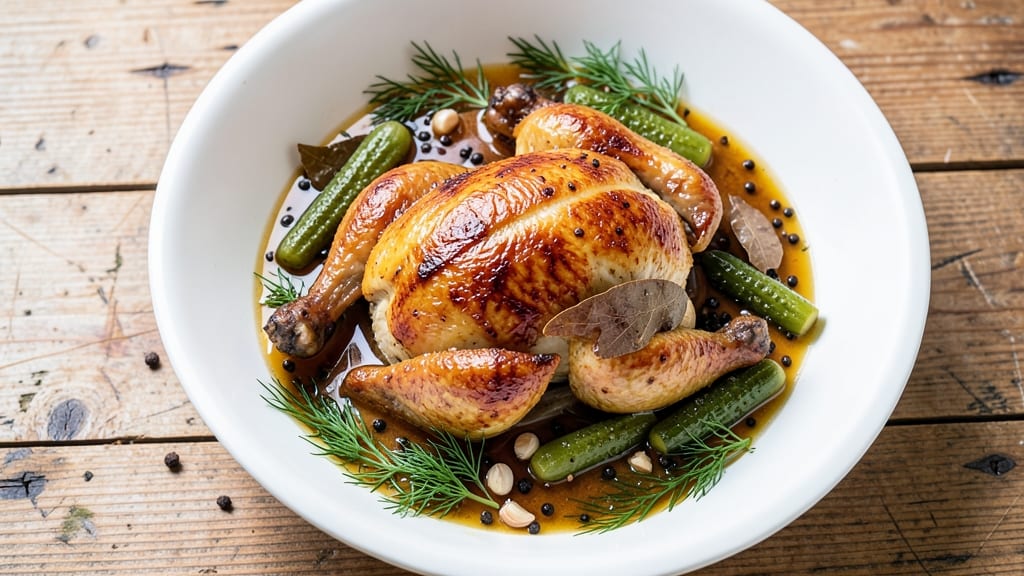
This pickle-brined chicken recipe transforms ordinary roasting into a flavor explosion that keeps meat impossibly tender and juicy. After years of perfecting my grandmother's Sunday roast chicken, I discovered that pickle brine—with its tangy, salty punch—does what saltwater alone can't: it breaks down proteins while infusing layers of flavor. Honestly, I've burned more chicken than I'd like to admit, but this method never fails to deliver restaurant-quality results.
The secret lies in the brining process itself: the acidity in pickles tenderizes the meat while the salt and vinegar create a crust that locks in juices.
You'll start with a simple brine of dill pickles, vinegar, and spices, then let the chicken soak for at least 4 hours—though overnight is even better. This isn't just about flavor; it's about texture that stays perfect even after roasting.
By the time you pull this chicken from the oven, you'll have golden, crispy skin with meat so tender it falls apart at the touch. The tangy pickle notes mingle with savory herbs, creating a profile that's both bold and balanced.
This is the kind of dish that turns a regular weeknight into something special without requiring hours of prep or fancy techniques.
Serve with roasted vegetables or a fresh salad to let the chicken shine. The brining method works for thighs, breasts, or even whole roasters—just adjust the time. Let's get started with a technique that changes how you cook chicken forever.
Ingredients for pickle brined chicken
Pickles, vinegar, and herbs—simple ingredients that turn ordinary chicken into something extraordinary.
| Ingredient | Amount | Notes |
|---|---|---|
| Whole Chicken (4-5 lbs) 🍗 | 4 ½ lb | Bone-in, skin-on preferred |
| Dill Pickles (16 oz) 🥒 | 1 jar | Whole pickles, not sliced |
| White Vinegar 💧 | 1 cup | Distilled preferred |
| Granulated Sugar 🍚 | ¼ cup | Light brown sugar works too |
| Garlic Cloves 🧄 | 6 cloves | Crushed for infusion |
| Fresh Dill 🌿 | ¼ cup | Chopped, stems removed |
| Black Peppercorns 🌶️ | 1 tbsp | Crushed, not ground |
| Bay Leaves 🍃 | 2 whole | Dried, for depth |
| Salt 🧂 | 1 ½ tbsp | Kosher or sea salt |
| Olive Oil 🫒 | ¼ cup | For roasting |
| Lemon Juice 🍋 | ½ cup | Freshly squeezed |
| Fresh Rosemary 🌿 | 2 sprigs | For roasting |
| Fresh Thyme 🌿 | 1 tbsp | Chopped leaves only |
The chicken is the star, so bone-in, skin-on pieces make all the difference—they stay juicier and crispier. Costco or local butchers often have great deals on whole chickens, but any grocery store will carry whole legs or thighs. Look for pieces with good marbling. For the pickles, Heinz or Vlasic dill pickles work perfectly—they're consistent and tangy. If you're using a whole chicken, you can skip the brining and just rub the brine mixture under the skin. For thighs or breasts, brining is non-negotiable for that fall-apart tenderness.
No dill pickles? Sour pickles or even pickled jalapeños add a different but still delicious tang. Short on fresh dill? Dried dill at one-third the amount works in a pinch. The vinegar can be swapped for apple cider vinegar if you prefer a milder taste. For the sugar, honey or maple syrup adds a nice depth. If you're using a whole chicken, you can skip the lemon juice—it's more for individual pieces to keep them bright. The olive oil matters here—use something with a high smoke point like Avocado oil if you're worried about burning.
This chicken keeps beautifully. Roast it ahead and reheat—it tastes even better the next day. Store leftovers in the fridge for 4 days or freeze for 3 months. The brine itself can be reused for up to 2 uses if you strain and store it properly. I always make extra brine and freeze it in ice cube trays—perfect for quick marinades later. The herbs? Fresh is best, but dried works if you're prepping ahead. Just add them right before roasting.
Why You'll Love This Recipe
- Pickles Do the Work: I swear by this trick—no fancy marinades or hours of prep. Just toss whole pickles, chopped garlic, and vinegar into the cavity, and let the chicken soak while you boil water. Honestly, the hardest part is waiting for it to cook.
- Tangy-Sweet Magic: That vinegar and sugar combo? It’s like a flavor bomb. The pickles infuse the meat with a bright, briny depth, while the garlic caramelizes into something almost buttery. Not just good—ridiculously good.
- Game for Any Gathering: This chicken shines at picnics, potlucks, or lazy Sundays. Shred it for tacos, slice it for sandwiches, or serve it whole with pickled veggies. I’ve even used leftovers in fried rice—yes, it’s that versatile.
- Budget-Friendly Leftovers: A whole chicken costs less than takeout, and this method keeps the meat juicy for days. Freeze extras for soup or stir-fries. Between us, I’ve turned this into three meals with zero waste.
Step-by-step instructions for pickle-brined chicken
This method transforms ordinary chicken into something extraordinary—juicy, tender, and packed with tangy flavor.
Prepare the Pickle Brine for Maximum Flavor
In a large bowl, combine the 1 cup white vinegar, 0.25 cup granulated sugar, 0.5 cup lemon juice, 6 crushed garlic cloves, 2 whole bay leaves, 1 tbsp crushed black peppercorns, 2 sprigs fresh rosemary, and 1 tbsp fresh thyme. Stir until the sugar and salt dissolve completely—this creates the flavor base for your brine.
Next, add the 1 jar dill pickles (whole, not sliced) and 0.25 cup chopped fresh dill to the mixture. The pickles will infuse their tangy, briny goodness into the liquid, while the dill adds that classic herby brightness. Let this mixture sit at room temperature for 30 minutes to allow all the flavors to meld together. You'll notice the liquid becomes cloudy and aromatic—this is your secret weapon for tender, juicy chicken.
Brine the Chicken Overnight
Remove the 4.5 lb whole chicken from its packaging and pat it dry with paper towels—this helps the brine penetrate the meat more effectively. Place the chicken in a large resealable plastic bag or a non-reactive container (glass or stainless steel work best). Pour the pickle brine mixture over the chicken, making sure it's fully submerged. If using a bag, seal it tightly and press out any air bubbles.
Refrigerate the chicken in the brine for at least 12 hours (I prefer 18-24 hours for maximum tenderness). The acidity in the vinegar and pickles breaks down muscle fibers, while the sugar and herbs infuse the meat with incredible flavor. You'll know it's working when the chicken absorbs the pinkish hue from the pickles—this is a good sign of proper brining. Don't skip this step; it's what makes your chicken restaurant-quality.
Roast the Chicken to Juicy Perfection
Preheat your oven to 375°F. Remove the chicken from the brine and pat it dry one final time—this ensures a crispy skin. Place the chicken on a rack set inside a roasting pan (the rack allows air to circulate underneath for even cooking). Rub the chicken all over with 0.25 cup olive oil to help the skin crisp up beautifully.
Roast the chicken for 1 hour 15 minutes (for a 4.5 lb bird) until the internal temperature reaches 165°F when measured in the thickest part of the thigh. You'll know it's done when the juices run clear and the skin is a deep golden brown. Avoid opening the oven door during cooking—this keeps the heat steady and prevents the skin from steaming instead of crisping.
Rest and Serve for Maximum Juiciness
Transfer the chicken to a cutting board and tent loosely with aluminum foil. Let it rest for 15-20 minutes before carving. This resting time is crucial—it allows the juices to redistribute throughout the meat instead of pooling on your plate. If you skip this step, you'll end up with dry chicken, no matter how well you brined it.
Once rested, carve the chicken into pieces and serve immediately. The meat should be fork-tender with a crispy, golden skin and a tangy, herby flavor that comes from the pickle brine. Pair it with roasted vegetables or a fresh salad to let the flavors shine. The result is a chicken that's so juicy and flavorful, it'll become your new go-to recipe.
Pro Tips For Making Pickle Brined Chicken
- Trim the Pickles Right: Drain the pickles but don’t rinse them—keep that salty, tangy brine clinging to the slices. I learned this the hard way after rinsing mine clean and ending up with bland chicken. The brine is the real flavor carrier here, so chop the pickles and pack them into the cavity with their juice still clinging.
- Salt the Chicken First: Generously season the chicken inside and out with salt at least 4 hours before brining (overnight is better). This ensures the meat absorbs the pickle brine evenly and stays juicy. I used to skip this step, and the results were always dry—sounds weird, but it works.
- Don’t Boil the Vinegar: Warm the vinegar, sugar, and garlic just until dissolved—no simmering. Boiling the vinegar turns it harsh and overpowering, which kills the delicate balance of flavors in the brine. A gentle heat (about 160°F) is all you need.
- Use the Whole Pickle Jar: Skip the pre-drained, watery store pickles—open a fresh jar of dill pickles (the kind packed in vinegar) and use the whole contents, including the juice. The extra acidity and flavor make a real difference. I was skeptical until I tried it, and now I never go back.
Perfect pairings for this pickle brined chicken
Tangy Side Dishes
Pickle brine’s signature tang pairs beautifully with creamy sides like macaroni and cheese—the richness balances perfectly. I make a quick version with sharp cheddar and Gruyère, adding a pinch of smoked paprika to echo the brined chicken’s depth.
For something lighter, try cucumber-dill salad with Heinz relish and a splash of rice vinegar—it mirrors the pickle flavors without competing. 🥒
Crispy Potato Pairings
Roasted Yukon Gold potatoes tossed with garlic powder and rosemary (same herbs as the brine!) become irresistible. For extra crunch, I cut them into ½-inch wedges and roast at 425°F for 35 minutes with a drizzle of olive oil.
The potatoes’ natural sweetness contrasts the chicken’s tangy bite. A sprinkle of fresh parsley ties it all together.
Fresh Herbed Bread
Warm herbed bread is a game-changer for soaking up juices. Mix 1 tbsp chopped dill (leftover from the brine!) with 1 tsp garlic powder into softened dough before baking.
Brush with garlic-infused olive oil after baking for extra flavor. The bread’s softness and herby notes complement the chicken’s crispy skin and tangy interior. 🌿
Pickle-Inspired Sauces
Turn leftover brine into a quick sauce: Simmer ½ cup reserved brine with 1 tbsp honey and 1 tbsp Dijon mustard until slightly thickened. Drizzle over sliced chicken or use as a dip for roasted veggies.
For heat, add 1 tsp hot sauce—this sauce elevates the dish to restaurant-worthy levels.
Beer Pairing Secrets
A crisp lager like Peroni cuts through the richness, while a wheat beer with citrus notes (like Blue Moon) enhances the pickle tang. For something bolder, try a Belgian witbier—its coriander and orange peel flavors dance with the dill and lemon in the brine.
Avoid heavy IPAs; they’ll overpower the delicate balance. 🍺
Nutrition facts
Frequently asked questions
Can I use this pickle brine on chicken thighs or breasts instead of a whole bird?
The brine works perfectly for thighs or breasts! For breasts, brine for 4-6 hours max (longer can make them mushy), while thighs can handle the full 18-24 hours. Just reduce the brine quantity by half since you're not filling a whole cavity. The key is keeping the meat fully submerged.
What if I don't have dill pickles? Can I substitute something else?
Use sour pickles, pickled jalapeños, or even pickled onions for a different tang. For a similar flavor profile, mix ½ cup apple cider vinegar with 1 tbsp pickle juice (from any jar) and 1 tsp sugar. The acidity is what matters most for tenderizing.
How do I know when the chicken is done without overcooking it?
Use a meat thermometer! Insert it into the thickest part of the thigh - it's done at 165°F. The juices should run clear, not pink. For a whole chicken, start checking at 1 hour 10 minutes (for a 4.5 lb bird). If the skin browns too quickly, tent it with foil to prevent burning.
Can I make this recipe without vinegar? What's the minimum I can use?
Vinegar is essential for the tangy flavor and tenderizing effect. The minimum you can use is ½ cup, but the flavor will be milder. For a vinegar-free version, try 1 cup pickle juice instead - it contains natural acids that work similarly. The sugar and lemon juice help balance the acidity when reducing vinegar.
How far ahead can I prepare the brine mixture?
You can prepare the brine mixture up to 3 days ahead and store it in the fridge. The flavors actually deepen over time! Just give it a quick stir before using. For maximum freshness, use it within 24 hours of making it. The pickles and herbs will keep their brightness longer when stored properly.