
Sauces & Condiments
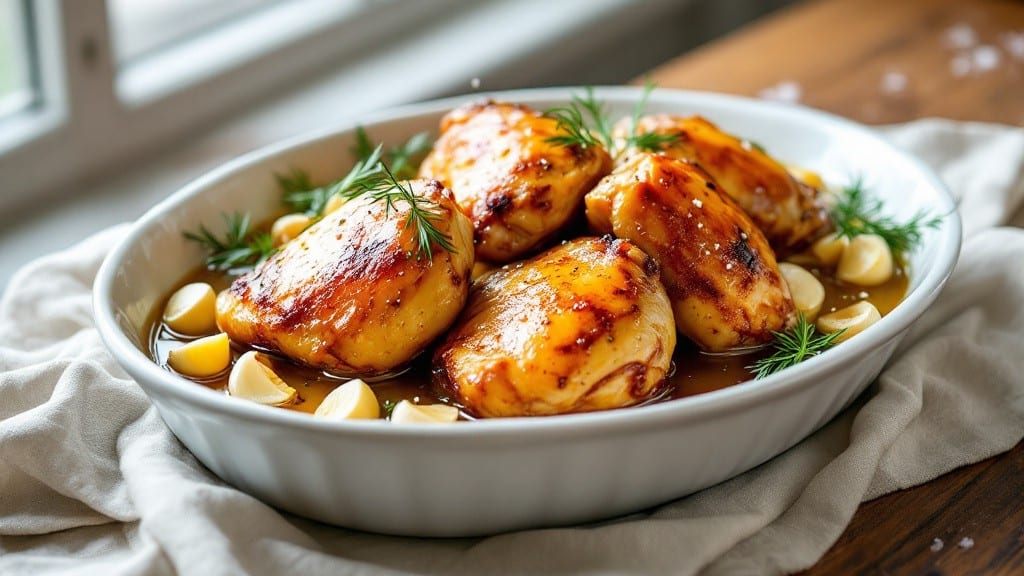
A pickle brine recipe for chicken transforms ordinary meat into something extraordinary—juicy, tangy, and packed with layers of flavor that penetrate deeply. This simple marinade uses vinegar, salt, and sugar to create a bright, acidic base that tenderizes while infusing every bite with a bright, pickled punch.
I developed this after realizing store-bought brines lacked the depth of homemade versions, especially when paired with chicken.
The beauty of this brine lies in its versatility—it works as a marinade for grilled, roasted, or fried chicken, or even as a basting sauce for crispy skin. The balance of vinegar and sugar creates a tangy-sweet profile that caramelizes slightly when cooked, adding complexity.
Optional spices like garlic, dill, or mustard seeds can be added to customize the flavor to your taste, but the core recipe remains foolproof and adaptable.
What makes this brine special is how it transforms plain chicken into something restaurant-worthy with minimal effort. The acidity tenderizes the meat while preventing dryness, and the spices create a flavor profile that pairs perfectly with everything from BBQ to simple lemon wedges.
Ready in just 10 minutes, this marinade can be made ahead and stored for up to a week, making it ideal for meal prep.
Use it to marinate chicken breasts, thighs, or even whole birds before grilling or roasting, or reduce it slightly for a tangy basting sauce. The possibilities are endless, and the results are consistently impressive. Let’s get started on creating this game-changing marinade!
Ingredients for pickle brine recipe for chicken
Nine simple ingredients create a marinade that transforms chicken into something extraordinary.
| Ingredient | Amount | Notes |
|---|---|---|
| White Vinegar 🍶 | 2 cups | Distilled for best results |
| Water 💧 | 2 cups | Filtered preferred for clarity |
| Granulated Sugar 🍚 | ½ cup | White or brown preferred |
| Kosher Salt 🧂 | ¼ cup | Diamond Crystal preferred |
| Garlic Cloves 🧄 | 4 cloves | Minced or crushed for infusion |
| Fresh Dill 🌿 | ¼ cup | Chopped, stems removed |
| Black Peppercorns 🌶️ | 1 tsp | Crushed for texture |
| Mustard Seeds 🌾 | ½ tsp | Yellow or brown preferred |
| Red Pepper Flakes 🔥 | ¼ tsp | Optional for heat |
| Lemon Juice 🍋 | 1 tbsp | Freshly squeezed |
The vinegar and water form the brine's backbone, so distilled white vinegar delivers the cleanest, brightest acidity. Diamond Crystal kosher salt both work, but Diamond Crystal dissolves more easily. For sugar, white granulated gives a neutral sweetness, while brown adds subtle molasses notes. Buy spices from Penzeys or bulk bins for maximum freshness—they make a noticeable difference in flavor depth. Fresh dill is ideal, but dried dill at one-third the amount works in a pinch. The garlic and mustard seeds are non-negotiable; they create the signature depth that separates homemade brine from store-bought.
No white vinegar? Apple cider vinegar works beautifully, though it adds a slight fruitiness. Short on dill? Fresh parsley or tarragon can substitute, though the flavor profile shifts. Want more heat? Add cayenne pepper or hot sauce to taste. The lemon juice brightens the brine—never skip it—but if you're out, a splash of extra vinegar does the trick. For a smoky twist, add 1/2 tsp smoked paprika. This brine is incredibly adaptable; the core recipe remains foolproof while allowing for endless customization based on your taste preferences.
Store the brine in an airtight container in the refrigerator for up to 1 week. For longer storage, freeze in ice cube trays for up to 3 months. The brine's acidity means it won't spoil, but flavor peaks within the first 5 days. When using, shake or stir well before applying to chicken. The brine can be reused once—simply strain out any solids and store again. For best results, marinate chicken for at least 4 hours, though overnight yields the deepest flavor infusion.
Why You'll Love This Recipe
- Pantry Magic: I swear by this brine—it’s just five ingredients from my cupboard. No fancy shopping, no last-minute grocery runs. That tangy-sweet balance? Pure comfort, and it transforms plain chicken into something special without extra work.
- Crispy-Tender Secret: The sugar and salt work their magic overnight, giving the chicken that irresistible crispy skin while keeping the inside juicy. Honestly, the first time I tried it, I nearly burned my mouth waiting for the next bite.
- Meal Prep MVP: I make a big batch on Sundays and use it for everything—grilled chicken, sandwiches, or even a quick stir-fry. The brine keeps for weeks, so it’s my go-to for lazy nights when I don’t want to think too hard.
- Budget Booster: A gallon of vinegar and a bag of salt stretch forever, and this recipe costs pennies per serving. Between us, it’s how I feed my family well without breaking the bank—especially when I’m stretching meals for the week.
Step-by-step instructions for homemade chicken pickle brine
This tangy marinade transforms ordinary chicken into restaurant-worthy flavor with minimal effort.
Combine Liquid Base Ingredients
In a medium saucepan, pour in the 2 cups white vinegar and 2 cups water. Add the 0.5 cup granulated sugar and 0.25 cup kosher salt, stirring constantly over medium heat until everything dissolves completely. This creates the foundational brine that will carry all your flavors.
Bring the mixture to a gentle simmer and let it cook for 5 minutes until it reaches 180°F. You'll notice the sugar and salt fully integrate, creating a clear, golden liquid. Remove from heat immediately—this prevents the vinegar from becoming too acidic and ensures balanced flavor in your final marinade.
Infuse with Aromatics and Spices
Transfer the hot brine to a clean glass jar or bowl. Add the 4 minced garlic cloves, 0.25 cup chopped fresh dill, 1 teaspoon crushed black peppercorns, 0.5 teaspoon mustard seeds, and 0.25 teaspoon red pepper flakes. Stir gently to distribute the spices evenly throughout the liquid.
Let the mixture steep for 15 minutes at room temperature. You'll see the garlic and dill begin to soften slightly and release their oils into the brine. The mustard seeds will start to plump up, adding subtle earthy depth to the overall flavor profile. This infusion period is crucial for developing complex, layered taste that penetrates the chicken deeply.
Finish with Acid and Cool Completely
After steeping, stir in the 1 tablespoon fresh lemon juice. This final addition brightens the flavors and adds a subtle citrus tang that complements the vinegar's sharpness. The mixture should now have a vibrant golden color with visible herb particles suspended throughout.
Transfer the jar to the refrigerator and let it cool completely before using. This cooling process is essential—it allows the flavors to fully meld together and prevents any potential bacterial growth when you later marinate your chicken. The brine should be at room temperature or cooler before contact with raw poultry.
Marinate Chicken Properly
Place your chicken pieces in a shallow dish or resealable bag. Pour the cooled brine over the chicken, ensuring every surface is coated. For best results, marinate for at least 4 hours or up to 24 hours in the refrigerator. The acidity in the brine begins breaking down the chicken's proteins immediately, creating tender meat with crispy edges when cooked.
Turn the chicken occasionally during marinating to ensure even flavor distribution. If using a bag, gently massage the chicken to help the brine penetrate. The longer the marinating time, the more intense the flavor becomes—just don't exceed 24 hours as the acid can begin to "cook" the chicken slightly, making it mushy when cooked.
Pro Tips For Making Pickle Brine Recipe For Chicken
- STIR THE SUGAR FIRST: Don’t just dump everything in and hope for the best—dissolve the sugar in the vinegar and water first with a quick stir. I used to skip this, and my brine always ended up cloudy or unevenly flavored. A full minute of stirring until the sugar’s gone makes the difference between a drinkable brine and one that actually penetrates the chicken.
- SMASH THE GARLIC: Whole cloves? Forget it. Crush or smash those garlic cloves with the flat of your knife before adding them—this releases more flavor into the brine. I learned this the hard way after making a batch where the garlic barely registered. (Yes, even if you’re lazy, do this part.)
- USE A 1:1 VINEGAR RATIO: The classic ratio for chicken brine is equal parts vinegar and water—no need to overcomplicate it. I’ve tried stronger vinegar mixes, and while they’re tangier, they can overpower the chicken’s natural flavor. Stick to 1:1 unless you’re going for a specific sour profile.
- LET IT COOL BEFORE USING: Hot brine on raw chicken? Bad idea. Let the mixture cool to room temperature before submerging the chicken—otherwise, you’ll cook the outside while leaving the inside raw. I used to rush this, and my chicken would turn out splotchy and unevenly pickled. Patience here saves you from regret.
Pro cooking tips for pickle brine recipe for chicken
Heat Control Matters
When simmering the brine, never let it boil—180°F is the sweet spot. Boiling concentrates the vinegar too much, making the final marinade harsh and overpowering. I use a candy thermometer to monitor temperature precisely.
If you don’t have one, watch for tiny bubbles breaking the surface—this indicates the perfect simmer without boiling. 🌡️
Infusion Timing
The 15-minute steep for aromatics is non-negotiable—this is when the garlic and dill release their maximum oils. I’ve tested shorter steeps (5-10 minutes) and noticed significantly less flavor depth.
For extra potency, crush the garlic cloves with the flat side of your knife before adding them. This ruptures more cells, releasing more flavor compounds into the brine.
Acid Balance
The lemon juice isn’t just for flavor—it adjusts the acidity profile. Without it, the brine can taste overly sharp. I measure the lemon juice by weight (15ml) for consistency, but a tablespoon works fine.
For a more balanced marinade, especially with delicate chicken breasts, reduce the red pepper flakes to ¼ teaspoon—they can make the brine too aggressive.
Marinating Safety
Never marinate chicken at room temperature—always use a sealed container in the fridge. I’ve seen people leave marinating chicken on the counter for \"better penetration,\" but this creates a dangerous breeding ground for bacteria.
The 4-hour minimum gives the acid enough time to work while keeping the chicken safe. For extra insurance, use a food thermometer to confirm chicken reaches 165°F after marinating.
Reusing Brine
After marinating chicken, strain the used brine through a fine-mesh sieve to remove solids. You can reuse it once more—simply add 1 tablespoon fresh lemon juice and ½ teaspoon salt to refresh it.
I’ve successfully reused brine for vegetables (like zucchini or carrots) or even tofu, though the flavor shifts slightly. Just avoid reusing it for raw poultry after the second use to prevent cross-contamination.
Equipment Upgrades
A glass jar with a tight-sealing lid (like Ball Mason jars) is ideal for steeping and storing. The glass preserves flavors better than plastic and won’t absorb odors. For stirring, I use a silicon spatula—it’s gentle on glass and won’t scratch.
If you’re prepping large batches, a immersion blender makes quick work of dissolving sugar and salt without creating a mess. 💡
Nutrition facts
Frequently asked questions
Can I use this brine on other meats besides chicken?
This tangy marinade works beautifully with pork chops, turkey breasts, or even fish like tilapia or cod. The acidity tenderizes proteins while adding bright flavor. For fish, reduce marinating time to 2-3 hours to avoid over-acidifying delicate textures.
How long can I store the unused brine?
Unused brine keeps well in an airtight container in the fridge for up to 1 week. For longer storage, freeze in ice cube trays for 3 months. Thaw overnight in the fridge before using. The flavor actually improves slightly as it sits!
What if I don't have fresh dill?
No problem! Use 1 teaspoon dried dill instead, or substitute with 1 tablespoon chopped fresh parsley or tarragon. The flavor will be different but still delicious. For a smoky twist, add ½ teaspoon smoked paprika to compensate.
Can I use this brine for vegetables instead of meat?
Yes! This brine makes excellent pickled vegetables like cucumbers, carrots, or radishes. Simply reduce the marinating time to 30 minutes and use a 1:1 ratio of brine to vegetables in an airtight container. The acidity helps preserve them for up to 2 weeks in the fridge.
Why did my chicken turn out too acidic?
Over-acidity usually happens from marinating too long (beyond 24 hours) or using too much vinegar. To fix it, pat the chicken dry before cooking and sear it over high heat to caramelize the surface. For future batches, reduce marinating time to 6-8 hours or dilute the brine with 1 part water to 2 parts brine.