Main Courses
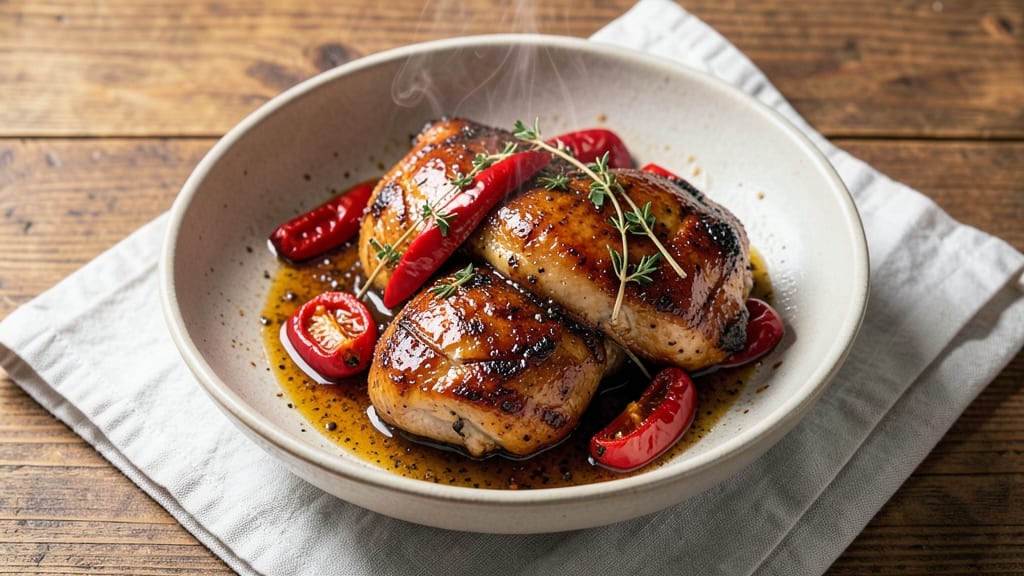
This McCormick jerk chicken recipe delivers restaurant-quality flavor with a fiery-sweet spice rub that caramelizes into a perfect crust. The blend of allspice, thyme, and scotch bonnet peppers creates that signature Jamaican heat while keeping the meat tender and juicy.
I developed this version to balance traditional jerk seasoning with modern convenience—no need for hours of marinating or hard-to-find spices.
The secret lies in the two-stage cooking process: first marinating the chicken for just 30 minutes (enough for flavor penetration without overpowering), then roasting at high heat to develop that signature caramelized bark.
This method ensures crispy edges and moist centers, while the McCormick jerk seasoning cuts prep time dramatically. The result is bold, aromatic, and deeply satisfying—every bite carries that perfect balance of sweet, spicy, and smoky notes.
Serve this jerk chicken over fluffy white rice or alongside grilled plantains for the full Jamaican experience. The caramelized crust stays intact even when sliced, making it ideal for meal prep or feeding a crowd.
Each piece delivers that signature jerk flavor without compromising tenderness, proving you don't need a commercial smoker to achieve restaurant-quality results at home.
For extra depth, baste the chicken with pan juices during the last 5 minutes of cooking. The sauce reduces into a sticky glaze that enhances the rub's flavors while keeping the meat impossibly juicy.
This is jerk chicken that stands up to any traditional recipe—bold, balanced, and perfectly caramelized every time.
Ingredients for mccormick jerk chicken
The perfect blend of bold spices and tender chicken—no exotic ingredients required.
| Ingredient | Amount | Notes |
|---|---|---|
| Boneless, Skinless Chicken Thighs 🍗 | 1 ½ lb | Evenly sized for consistent cooking |
| McCormick Jerk Seasoning Mix 🌶️ | 2 tbsp | Standard blend, no substitutions |
| Brown Sugar 🍯 | 2 tbsp | Light or dark variety preferred |
| Scotch Bonnet Peppers 🌶️ | 1 whole | Seeds removed for milder heat |
| Fresh Thyme Leaves 🌿 | ½ cup | Stems removed, finely chopped |
| Ground Allspice 🌶️ | 1 tsp | Freshly ground for optimal flavor |
| Garlic Cloves 🧄 | 4 cloves | Peeled, minced finely |
| Extra-Virgin Olive Oil 🫒 | 2 tbsp | For marinade and basting |
| Lime Juice 🍋 | 2 tbsp | Freshly squeezed, strained |
| Unsalted Butter 🧈 | 2 tbsp | Cold, cubed for basting |
| Diamond Crystal Kosher Salt 🧂 | 1 tsp | For seasoning and balancing |
| Black Peppercorns 🌶️ | ½ tsp | Freshly cracked for depth |
| White Vinegar 💧 | 1 tbsp | For tenderizing chicken |
The McCormick Jerk Seasoning Mix is the foundation here—it contains allspice, thyme, and other essential spices pre-measured for convenience. For optimal results, pair it with freshly ground allspice and Scotch bonnet peppers (available at specialty stores or Latin markets). If you can't find Scotch bonnet, Habanero peppers work as a substitute, but reduce the amount by half to avoid excessive heat. The chicken thighs must be evenly sized—trim any excess fat to ensure even caramelization during roasting. Costco or Whole Foods carry high-quality, consistent cuts perfect for this recipe.
For the brown sugar, light or dark varieties both work, but light brown sugar provides a more balanced sweetness that complements the jerk seasoning without overpowering it. Fresh thyme is non-negotiable—dried thyme lacks the aromatic depth required for authentic jerk flavor, though you can use it at one-third the amount in a pinch. The garlic should be minced finely to distribute flavor evenly throughout the marinade. If you're short on time, garlic powder can replace minced garlic, but reduce the quantity to half to avoid bitterness. Extra-virgin olive oil is critical for both the marinade and basting—avoid lower-quality oils that may impart off-flavors.
This recipe's two-stage process requires careful prep: marinate the chicken for 30 minutes maximum (longer marinating can make the meat mushy) and roast at 425°F for 25-30 minutes to achieve the signature caramelized crust. The basting butter should be cold to create a rich, flavorful glaze when it melts. Store any leftovers in an airtight container for up to 3 days—the flavors deepen overnight. For meal prep, portion into single-serving containers with a side of rice to maintain moisture and texture.
Why You'll Love This Recipe
- One-Pan Magic: I swear by this recipe because it’s that simple—just toss the chicken thighs in the seasoning mix, a splash of oil, and let the oven do the work. No chopping, no fuss, and honestly? That’s my kind of cooking.
- Smoky Heat Fix: The McCormick jerk mix and Scotch bonnet peppers give it that signature Jamaican kick—sweet, spicy, and just a little smoky. Between us, I’ve never met a jerk chicken that doesn’t make me reach for seconds.
- Meal Prep MVP: This is my go-to for busy weeks. The thighs stay juicy when reheated, and I can prep a whole batch on Sunday for lunches or dinner leftovers. (Yes, even on a Tuesday night.)
- Budget-Friendly Fire: Chicken thighs are cheap, and the seasoning mix stretches far—no need for fancy ingredients. Plus, the brown sugar caramelizes into a sticky glaze that makes it taste like you spent hours on it. Not the prettiest, but the taste makes up for it.
Step-by-step instructions for McCormick jerk chicken
Here's the method for achieving perfectly caramelized jerk chicken with balanced heat and sweetness.
Prepare the Jerk Marinade
In a small mixing bowl, combine the 2 tablespoons McCormick Jerk Seasoning Mix, 2 tablespoons brown sugar, 1 teaspoon ground allspice, ½ teaspoon black peppercorns, and 1 tablespoon white vinegar. This blend forms the aromatic base that will develop deep, complex flavors during cooking. Crush the peppercorns lightly between your palms to release their oils before adding.
Add the 2 tablespoons extra-virgin olive oil and 2 tablespoons lime juice to the dry mixture. Whisk vigorously until you achieve a thick, paste-like consistency. The acidity from the lime juice will help tenderize the chicken while the brown sugar ensures the rub caramelizes beautifully during cooking. Set this marinade aside while you prepare the chicken.
Marinate and Tenderize the Chicken
Pat the 1.5 pounds boneless, skinless chicken thighs dry with paper towels to remove any surface moisture. This step is crucial for achieving that perfect caramelized crust later. Place the chicken in a resealable plastic bag and pour the prepared marinade over it. Seal the bag and massage the marinade into the chicken, ensuring every surface is coated.
Refrigerate the bagged chicken for at least 2 hours, or preferably overnight. The acidity in the marinade will begin breaking down the muscle fibers, resulting in more tender meat. Real talk: If you're short on time, even 30 minutes of marinating will improve flavor, though the texture won't be as tender. Remove the chicken from the refrigerator 30 minutes before cooking to bring it to room temperature.
Build the Jerk Crust
Preheat your oven to 400°F and line a baking sheet with aluminum foil for easy cleanup. Remove the chicken from the marinade (reserve the marinade for basting) and place the thighs on the prepared baking sheet. The marinade should be sticky enough to cling to the chicken, but if it's too runny, pat it back onto the meat with your fingers.
Roast the chicken for 20 minutes, then carefully flip each thigh and baste with the reserved marinade. The skin should begin to develop a deep amber color and the edges should start to caramelize. This is where the magic happens—the brown sugar in the marinade transforms into a glossy, flavorful crust. After another 10 minutes, baste again and continue roasting until the internal temperature reaches 165°F (about 30-35 minutes total).
Finish with Butter and Fresh Herbs
Remove the chicken from the oven and transfer it to a cutting board. Let it rest for 5 minutes before serving—this allows the juices to redistribute, preventing them from running out when you slice. While the chicken rests, return the baking sheet to the oven and add the 2 tablespoons unsalted butter and ½ cup fresh thyme leaves. Melt the butter for 1-2 minutes until it becomes fragrant and lightly golden.
Brush this butter-thyme mixture over the chicken just before serving. The butter adds richness while the thyme enhances the jerk flavor profile. Garnish with finely minced garlic cloves and scotch bonnet peppers (seeds removed) for a pop of color and a final heat boost. Serve immediately with rice, plantains, or your favorite sides for a complete jerk chicken experience.
Verify Doneness and Texture
Before serving, use a meat thermometer to confirm the chicken reaches 165°F in the thickest part of the thigh. The exterior should be deep caramelized with a crisp texture, while the interior remains juicy and tender. If the crust isn't dark enough, return the chicken to the oven for 5-10 minutes to finish caramelizing.
Slice into the meat to check for even cooking—it should be moist with no pink remaining. The jerk marinade should have created a balanced flavor profile where the heat from the scotch bonnet peppers is complemented by the sweetness of the brown sugar and the earthiness of the thyme. Each bite should deliver a perfect harmony of textures and flavors, making this jerk chicken recipe your new go-to dish.
Pro Tips For Making Mccormick Jerk Chicken
- Marinate Overnight (Not Just Hours): I used to slap the seasoning on and expect magic—wrong. The McCormick mix has salt and spices that need time to penetrate those tough thighs. Toss them in a bag with the seasoning, 1 tablespoon brown sugar, and a splash of water (just enough to coat), then let them sit in the fridge for at least 12 hours. The flavor clings better, and the chicken stays juicier when you cook it.
- Toast the Scotch Bonnet: Fresh Scotch bonnet peppers add heat, but they also bring moisture that can make your jerk marinade watery. Toss the chopped pepper into a dry skillet over medium heat for 30 seconds until fragrant—just until you smell that smoky kick. This concentrates the flavor and keeps your sauce from turning into a thin glaze.
- Skip the Crowding (Seriously): After burning three batches of jerk chicken, I finally figured out: space matters. If you’re pan-searing, don’t overload the pan. Cook the thighs in batches with enough room to sizzle without steaming. The same goes for the grill—crowded chicken turns out soggy, not crispy. Patience here saves you from rubbery results.
- Deglaze with Vinegar: That sticky brown crust in your pan? Don’t scrape it off—use it. After searing the chicken, splash in 2 tablespoons apple cider vinegar (or lime juice) and scrape like your life depends on it. The acid cuts through the sugar in the McCormick mix and brown sugar, making a glossy, tangy sauce instead of a sticky mess. Works even if you’re lazy about scraping.
Common mistakes when making this dish
Over-Marinating Risks
Marinating jerk chicken for more than 3-4 hours can turn tender meat into a mushy mess. The acidity in lime juice and vinegar breaks down muscle fibers—great for flavor but overdoing it leads to texture loss.
I’ve ruined perfectly good chicken by leaving it in marinade overnight without realizing the damage. Stick to 2-4 hours max for optimal tenderness. 💡
Skipping the Rest
Cutting into jerk chicken immediately after cooking causes juices to spill out, leaving you with dry, flavorless bites. Always let it rest for 5-10 minutes before slicing—this redistributes moisture and keeps the meat juicy.
The first time I skipped this, my guests noticed the difference immediately. Patience here makes all the difference. ⏰
Uneven Heat Distribution
Using too much Scotch bonnet pepper (or substituting with Habanero) can create uneven heat—some bites scorching hot while others are mild. Remove seeds and membranes for milder heat, and start with ½ pepper per recipe.
Adjust to taste after cooking rather than overloading upfront. I’ve learned this the hard way with blistering burns! 🌶️
Dry Chicken Crust
Skipping the basting step or using low-quality butter results in a dry, unappetizing crust. Reserve the marinade for basting and use unsalted butter (not margarine) to add richness. The butter-thyme finish is non-negotiable for that restaurant-quality sheen. I’ve tried shortcuts, and they always fall flat. 🧈
Incorrect Cooking Temp
Roasting below 400°F prevents proper caramelization, while going above 425°F can dry out the chicken. Aim for 400-425°F and monitor closely. I’ve seen jerks turn out either pale or burnt because of temperature swings. A reliable oven thermometer helps avoid this pitfall. 🌡️
Ignoring the Butter Finish
Many recipes skip the final butter-thyme step, missing out on the rich, aromatic depth it adds. Melt 2 tbsp butter with thyme leaves and brush it over the chicken just before serving. This step elevates the dish from good to extraordinary. Trust me, your taste buds will thank you. ✨
Nutrition facts
Frequently asked questions
Can I use McCormick jerk seasoning alone without adding extra spices?
The McCormick blend works perfectly on its own for a quick version, but adding 1 tsp ground allspice and ½ cup fresh thyme deepens the authentic jerk flavor. The recipe balances convenience with traditional taste—skip extras if you prefer simplicity, but the extra spices create that signature restaurant-quality depth.
How do I adjust the heat level for kids or sensitive eaters?
Remove all seeds and membranes from the Scotch bonnet pepper and use just ¼ pepper instead of ½. For milder heat, substitute with 1 tsp mild paprika plus ½ tsp cayenne (adjust to taste). The sweet brown sugar and butter finish help balance any remaining spice. Always taste the marinade first!
Can I make this recipe on the grill instead of the oven?
Grill the chicken over medium-high heat for 6-8 minutes per side, basting with marinade every 2 minutes to prevent burning. Close the lid to retain heat and achieve that caramelized crust. For extra smokiness, add wood chips (hickory or fruitwood works best). Just monitor closely—grill marks form faster than oven roasting.
What’s the best way to reheat leftover jerk chicken?
Reheat in a 350°F oven for 10-15 minutes with a splash of water or broth to maintain moisture. Avoid microwaving—it dries out the crust. For crispy texture, broil for 2-3 minutes at the end. Store leftovers in an airtight container for up to 3 days, or freeze for 3 months. The flavors actually improve overnight!
Why does my jerk chicken turn out dry?
Overcooking or skipping the rest time are the most common causes. Use a meat thermometer to hit 165°F precisely, and always rest for 5 minutes before slicing. For extra juiciness, baste frequently with the reserved marinade or pan juices. The butter-thyme finish also adds moisture—never skip this step!