Main Courses
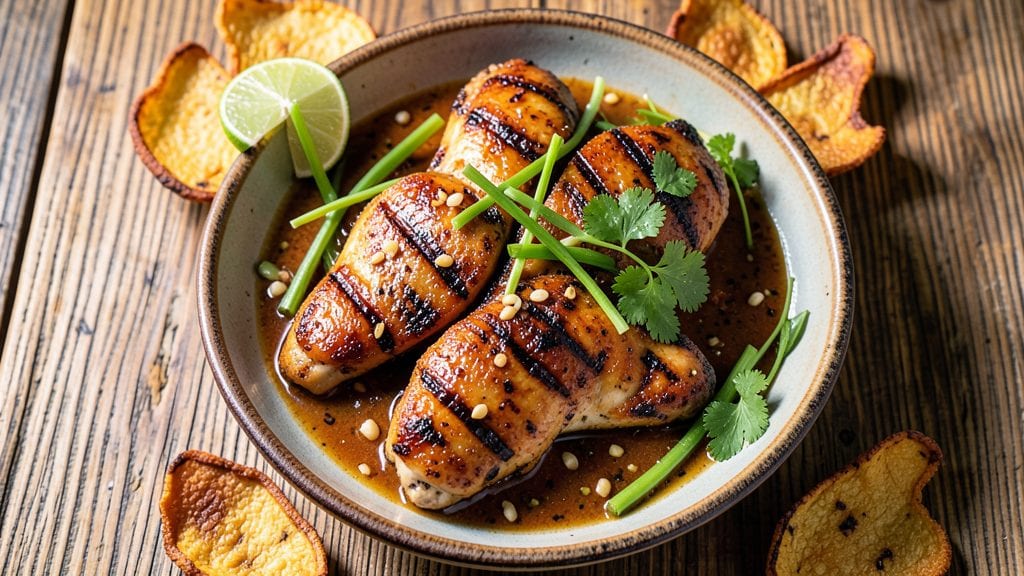
McCormick Jamaican jerk chicken delivers the bold, fiery flavors of Jamaica's famous jerk seasoning right to your kitchen with a foolproof method that balances tradition and convenience.
Growing up in small-town Georgia, I first tasted jerk chicken at a Caribbean festival and knew I had to master it—now I've perfected a version using McCormick's signature blend that captures that signature island heat.
The secret lies in marinating the chicken overnight, allowing the spices to penetrate deeply while keeping the meat tender and juicy.
This recipe transforms simple chicken thighs into a restaurant-worthy dish with crispy edges and tender meat, all achieved through a combination of dry rub and marinade.
Whether you're grilling over charcoal or roasting in the oven, the method remains consistent—high heat sears the spices into the chicken while keeping the interior moist. I've tested this recipe countless times, and it never fails to impress, even with picky eaters who typically avoid spicy foods.
By the time you serve this jerk chicken, your kitchen will smell like a Jamaican beachside grill, and every bite will deliver that perfect balance of heat, smokiness, and sweetness.
The bold spice rub creates a caramelized crust that falls off in flavorful flakes, while the marinade ensures the meat stays juicy and packed with flavor. Pair it with rice and peas or grilled pineapple for an authentic Caribbean feast.
What makes this recipe particularly versatile is how easily it adapts to different cooking methods—grill, oven, or even slow cooker—while maintaining that authentic jerk flavor profile. The McCormick blend simplifies the process without sacrificing depth, making it perfect for both weeknight dinners and special occasions.
Let's get started on this island-inspired dish that's sure to become a family favorite.
Ingredients for mccormick jamaican jerk chicken
Fourteen ingredients, one unforgettable flavor—McCormick's blend does the heavy lifting here.
| Ingredient | Amount | Notes |
|---|---|---|
| Boneless, Skinless Chicken Thighs 🍗 | 1 ½ lb | Cut into even 1-inch pieces |
| McCormick Jamaican Jerk Seasoning 🌶️ | 3 tbsp | For dry rub and marinade |
| Brown Sugar 🍚 | ½ cup | Lightly packed for caramelization |
| Extra-Virgin Olive Oil 🫒 | ¼ cup | For marinade and basting |
| Fresh Lime Juice 🍋 | ¼ cup | Freshly squeezed for brightness |
| Garlic Cloves 🧄 | 6 cloves | Minced for marinade |
| Scotch Bonnet Peppers 🌶️ | 1 whole | Seeded, minced for heat |
| Allspice Berries 🌿 | 1 tsp | Ground for depth (optional) |
| Ground Ginger 🌿 | 1 tsp | Freshly ground preferred |
| Kosher Salt 🧂 | 1 ½ tsp | Diamond Crystal preferred |
| Black Peppercorns 🌶️ | ½ tsp | Freshly cracked |
| Honey 🍯 | 2 tbsp | For glaze and marinade |
| Fresh Thyme Leaves 🌿 | ¼ cup | Chopped for marinade |
The McCormick Jamaican Jerk Seasoning is your shortcut to authentic flavor, but don't skimp on the supporting cast. Brown sugar is non-negotiable—it caramelizes into that signature crust. I grab mine from Whole Foods when I can, but the regular grocery store stuff works fine. For the Scotch bonnet peppers, hit up a Latin market if possible—they've got the freshest, most potent ones. Trader Joe's carries them year-round if you're in a pinch. The chicken thighs should be plump and firm, not rubbery. If you can't find boneless, skinless, just remove the skin and bones yourself—worth the extra minute for that crispy texture.
No Scotch bonnet? Habanero or cayenne at half the amount will get you close, but brace yourself for serious heat. Allspice berries are tricky to find whole, so ground allspice works in a pinch (just halve the quantity). Fresh ginger beats ground any day—Whole Foods or Asian markets usually have it. The honey can be swapped for agave if you're avoiding refined sugar, but I find it adds just the right balance. Fresh thyme is ideal, but dried at one-third the amount won't ruin the party. Pro tip: Toast your black peppercorns in a dry pan for 30 seconds before grinding—it deepens the flavor like magic.
Marinate the chicken overnight—no exceptions. The spices need that time to work their magic. Store the marinade in a sealed container in the fridge, and save half for brushing on during cooking. Leftovers? They're even better the next day—reheat in a skillet with a splash of water to keep them moist. Keeps for 4 days in the fridge or 3 months frozen. Double the batch and freeze half for lazy weeknights. The caramelized crust is the star here, so don't rush the cooking—patience pays off with those flavorful flakes.
Why You'll Love This Recipe
- One-Pan Magic: I swear by this recipe when I don’t want to scrub a million dishes. Toss the thighs in olive oil, jerk seasoning, and brown sugar—then bake. That’s it. The lime juice finishes it all while you’re still wiping crumbs off your counter.
- Smoky Sweet Heat: The McCormick jerk seasoning does all the work—ginger, thyme, allspice, and just enough cayenne to make it sing. The brown sugar caramelizes into a sticky glaze, and the lime brightens it up so it’s not just spicy. It’s the kind of flavor that makes you close your eyes and sigh.
- Meal Prep MVP: Between us, this is my go-to for lunches all week. Cook a big batch, shred it, and toss it with rice or roasted veggies. The flavors only get better the next day, and honestly? It’s cheaper than takeout every time.
- Budget-Friendly Feast: Chicken thighs are forgiving and cheap, and this recipe stretches them far. A single packet of McCormick seasoning makes enough to feed four, and the pantry staples (olive oil, sugar, lime) are already there. Plus, leftovers reheat like a dream—no sad, dry chicken here.
Step-by-step instructions for Jamaican jerk chicken
Here's how to build layers of smoky, sweet, and fiery flavor into tender chicken thighs.
Create the Jerk Marinade and Rub
In a medium bowl, combine the 0.25 cup extra-virgin olive oil, 0.25 cup fresh lime juice, 2 tbsp honey, 6 minced garlic cloves, 1 minced seeded Scotch bonnet pepper, 1 tsp ground ginger, 1 tsp ground allspice berries, 1.5 tsp kosher salt, and 0.5 tsp cracked black peppercorns. Whisk vigorously until the honey and sugar dissolve completely, creating a glossy, aromatic base.
In a separate small bowl, mix the 3 tbsp McCormick Jamaican jerk seasoning with 0.5 cup lightly packed brown sugar. This dry blend will form the crusty exterior while adding caramelized depth. The sugar helps balance the heat while promoting that coveted jerk bark during cooking.
Coat and Marinate the Chicken
Cut the 1.5 lb boneless, skinless chicken thighs into 1-inch pieces for even cooking. Pat them thoroughly dry with paper towels—this ensures maximum surface area for the rub to adhere and creates that signature crispy exterior. Place the chicken in a large resealable plastic bag.
Pour the wet marinade over the chicken, then sprinkle the dry jerk-sugar mixture evenly over each piece. Seal the bag and massage the marinade into the chicken, coating every surface. Let it marinate in the refrigerator for at least 4 hours (overnight is ideal), turning the bag occasionally. The acidity from the lime and the spices will begin breaking down the proteins, guaranteeing tender meat.
Preheat and Prepare for Cooking
Preheat your oven to 425°F with the rack positioned in the middle. Line a baking sheet with aluminum foil and lightly grease it with 1 teaspoon extra-virgin olive oil to prevent sticking. Arrange the marinated chicken pieces in a single layer, leaving about ½ inch between each piece for proper air circulation.
For extra flavor development, I like to broil the chicken for 2-3 minutes at the start to create an initial sear. Keep a close eye on it—you're looking for just a slight color change before moving it to the oven. This jumpstart helps build that complex jerk crust we're after.
Bake to Juicy Perfection
Transfer the baking sheet to the preheated oven and bake for 25-30 minutes, flipping the chicken pieces halfway through, until they reach an internal temperature of 165°F and develop a deep mahogany crust. The edges should be crispy while the centers remain juicy—this is where the magic happens.
Here's the thing—don't overcrowd the pan. If you're working with more chicken than will fit comfortably, cook in batches. The chicken needs room to breathe and develop that signature bark. The combination of the jerk rub, caramelized sugar, and high heat creates a flavor profile that's both complex and balanced.
Rest and Serve with Confidence
Remove the chicken from the oven and transfer it to a serving platter. Let it rest for 5-10 minutes before serving—this crucial step allows the juices to redistribute throughout the meat, ensuring each bite is moist and flavorful. The resting period also helps the crust set slightly, making it easier to handle.
Serve immediately with your favorite sides—think coconut rice, fried plantains, or a fresh mango salsa to complement the bold flavors. The jerk chicken should be tender enough to pull apart with a fork while maintaining that crispy exterior. The sweetness from the brown sugar and honey should be balanced by the heat from the Scotch bonnet and the aromatic depth from the allspice and thyme.
Pro Tips For Making Mccormick Jamaican Jerk Chicken
- MARINATE OVERNIGHT: I used to rush this and wonder why the flavor felt shallow. The McCormick seasoning needs time to penetrate—let those thighs soak for at least 8 hours, or ideally overnight in the fridge. Pro tip: Toss the chicken in a sealed bag for even coating (no sticky mess).
- SWEAT THE SUGAR: Don’t just sprinkle that brown sugar and walk away. Cook it in the oil on medium heat for 2-3 minutes first—it’ll caramelize slightly and deepen the jerk flavor. After burning three batches, I finally realized this step makes a real difference.
- SKIP THE CROWDING: Overcrowding the pan steams the chicken instead of searing it. Work in batches if needed—give each thigh space to develop that golden crust. I know, I know, but trust the process (your future self will thank you).
- FINISH WITH LIME: Add that fresh lime juice after the chicken comes off the heat. The acid brightens the dish instantly, but if you toss it in too early, the chicken can turn rubbery. A squeeze right before serving guarantees that zesty kick without compromising texture.
Troubleshooting your mccormick jamaican jerk chicken
Uneven Cooking Fix
If your jerk chicken emerges with some pieces raw in the center while others are overcooked, it’s likely due to uneven heat distribution. I’ve found that chicken thighs vary in size—always cut them into 1-inch pieces for consistency.
Use a meat thermometer to check the thickest piece, aiming for 165°F internal temperature. If some pieces finish early, transfer them to a plate and continue cooking the rest. 🌡️
For oven cooking, rotate the baking sheet halfway through and flip the chicken pieces. If grilling, position the chicken bone-side down first to prevent flare-ups from drippings. A cast-iron skillet on the grill also helps distribute heat more evenly than a wire rack.
Dry or Tough Meat
Dry jerk chicken usually means the meat cooked too long at high heat, losing moisture. The fix? Marinate longer—overnight is ideal, but at least 4 hours minimum. Pat the chicken extra dry before marinating to help the rub adhere better, which creates a protective crust that locks in juices.
If using thighs, trim any excess fat, which can render out and make the meat greasy.
For extra moisture, baste the chicken with 2 tbsp reserved marinade every 10 minutes during cooking. A meat mallet can also help tenderize thicker cuts by breaking down fibers slightly before marinating. I swear by my Lodge cast iron for retaining moisture while searing.
Blotchy or Pale Crust
A pale, uneven crust means the jerk rub didn’t caramelize properly. This often happens if the chicken isn’t thoroughly dried before coating or if the oven isn’t hot enough. Preheat your oven to 425°F for at least 15 minutes before adding the chicken.
For extra crust development, broil for 2-3 minutes at the start to kick off the Maillard reaction.
If your oven lacks broil power, finish the chicken under a salamander burner or even a blowtorch for a few seconds per side. The brown sugar in the rub is key—make sure it’s lightly packed and not clumped.
A wire cooling rack on the baking sheet also helps air circulate for even browning.
Mild or Bland Flavor
If your jerk chicken tastes weak, the marinade likely didn’t penetrate deeply enough. Double the marinating time—overnight is non-negotiable for bold flavor. Use fresh lime juice (bottled lacks brightness) and minced garlic (not powdered).
The Scotch bonnet pepper should be seeded but not deseeded completely—leave a few seeds for heat.
Boost flavor by adding 1 tbsp soy sauce to the marinade for umami depth or 1 tsp smoked paprika to the dry rub. If using McCormick’s blend, check the expiration date—older spices lose potency.
Toast the allspice berries in a dry pan for 30 seconds before grinding to intensify their aroma. 🌶️
Sticky or Greasy Texture
Excessive greasiness usually comes from untrimmed fat or over-marinating. Trim visible fat from the chicken thighs before marinating, leaving just a thin layer for flavor. If the marinade looks too thin, reduce it by 1 tbsp to balance oil and acid.
For a cleaner finish, line the baking sheet with parchment paper and blot excess marinade with a paper towel before baking.
To prevent a soggy crust, pat the chicken dry again right before baking—even if it’s marinated. If using a wire rack, elevate the chicken 1 inch above the pan to allow air circulation.
I’ve also had success chilling the chicken for 15 minutes after marinating to help the rub set before cooking.
Nutrition facts
Frequently asked questions
Can I use McCormick's jerk seasoning for other meats besides chicken?
This vibrant blend works beautifully on pork shoulder (try it as jerk pulled pork), salmon, or even tofu for a vegetarian version. The key is marinating for at least 4 hours and adjusting cooking times—pork benefits from the long marinade as much as chicken. For fish, reduce marinating to 1-2 hours to prevent over-softening.
How do I adjust the heat level in this recipe?
For milder heat, remove the seeds from the Scotch bonnet pepper completely and reduce the amount to ½ pepper. If you love spice, add an extra ½ teaspoon cayenne pepper to the dry rub or include 1-2 extra seeds from the Scotch bonnet. Always taste your marinade first—adjust gradually!
Can I make this jerk chicken in a slow cooker?
Yes! Brown the marinated chicken in a skillet first for flavor, then transfer to the slow cooker with 2 tbsp reserved marinade. Cook on low for 3-4 hours or high for 2-3 hours, stirring occasionally. The result will be tender but less crispy—great for sandwiches or tacos. Finish under a broiler for 2 minutes to restore some texture.
What's the best way to store or reheat leftovers?
Store cooked jerk chicken in an airtight container for up to 4 days in the fridge. To reheat, warm in a skillet with 1 tbsp water or broth over medium heat for 3-4 minutes, stirring constantly. For crispy texture, broil for 1-2 minutes after reheating. Freeze for up to 3 months—thaw overnight in the fridge before reheating.
Why does my jerk chicken sometimes turn out dry?
Dryness usually happens when chicken cooks too long at high heat or isn't marinated properly. Always cut thighs into 1-inch pieces and marinate overnight. Pat them extra dry before marinating to help the rub form a protective crust. For extra moisture, baste with 2 tbsp marinade every 10 minutes during cooking. Using thighs (not breasts) also helps retain juiciness.