Sauces & Condiments
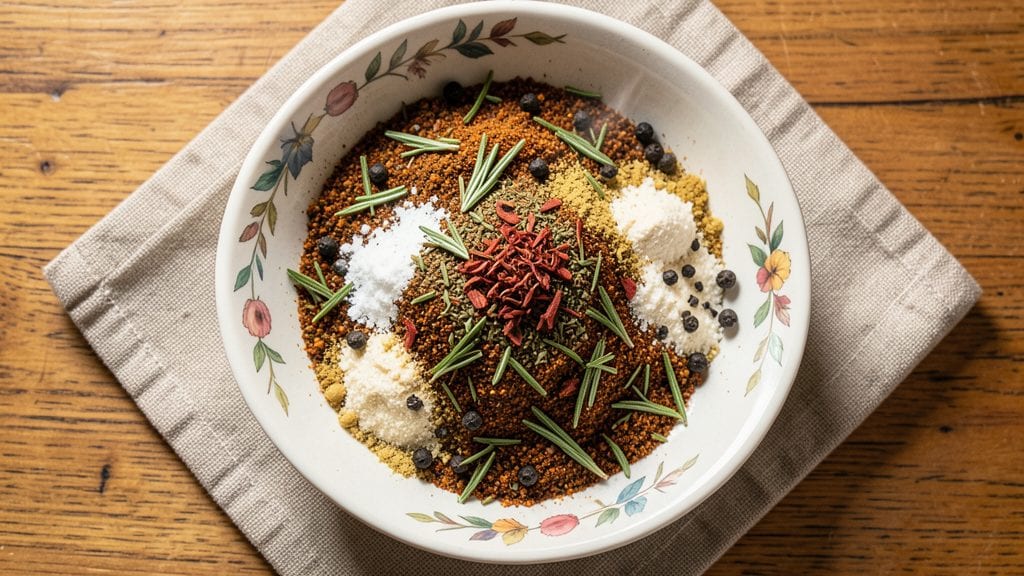
Creating a McCormick-style chicken seasoning at home delivers that restaurant-quality depth without the preservatives—just pure, bold herb and spice magic for juicy, flavor-packed chicken every time. The blend combines classic herbs like thyme and rosemary with warm spices that transform ordinary chicken into something extraordinary.
I developed this mix after testing dozens of variations, and it consistently delivers professional results with simple pantry staples.
This seasoning blend is designed to work with any cut of chicken—whether you're grilling, baking, or pan-searing. The key ingredients include dried herbs, garlic powder, and a touch of onion powder to build layers of flavor that penetrate the meat.
Unlike store-bought versions, this mix stays fresh for months when stored properly, making it a cost-effective solution for home cooks who crave that signature McCormick taste.
The result is chicken that's infused with aromatic herbs and spices, creating a crust that's both flavorful and slightly crispy. The blend enhances natural juices without overpowering the meat, ensuring every bite is packed with depth.
Once you try this homemade version, you'll never go back to the store-bought kind—it's that good.
Perfect for meal prep, holiday gatherings, or weeknight dinners, this seasoning mix transforms ordinary chicken into a standout dish. Store it in an airtight container to keep the flavors vibrant for up to six months. Let's get mixing!
Ingredients for mccormick chicken seasoning
Nine simple spices transform chicken into restaurant-quality perfection—no preservatives, just bold flavor.
| Ingredient | Amount | Notes |
|---|---|---|
| Dried Thyme Leaves 🌿 | 2 tbsp | Fresh thyme at 1/3 amount |
| Dried Rosemary Leaves 🌿 | 1 ½ tbsp | Finely chopped preferred |
| Garlic Powder 🧄 | 2 tsp | Freshly ground preferred |
| Onion Powder 🧅 | 2 tsp | Not onion salt |
| Paprika 🌶️ | 1 ½ tbsp | Smoked for depth |
| Ground Black Pepper 🌶️ | 1 tsp | Freshly cracked |
| Ground Coriander 🌿 | 1 tsp | Toasted for warmth |
| Salt 🧂 | 1 ½ tsp | Diamond Crystal preferred |
| Ground Mustard 🌶️ | ½ tsp | Adds subtle tang |
| Dried Sage Leaves 🌿 | ½ tsp | Crumbled finely |
The herbs are where the magic happens. Penzeys or bulk bins are my go-to for freshness—those little packets at the grocery store taste like dust after a few months. For rosemary, grab the whole sprigs and pulse in a spice grinder yourself. The difference is night and day. Diamond Crystal kosher salt is the only salt worth using here—it dissolves cleanly and doesn't clump. And trust me on the smoked paprika: McCormick or Penzeys versions have that authentic depth you can't get from the generic store brand. If you're using fresh herbs, dry them thoroughly first—moisture turns your seasoning into a clumpy mess.
No thyme? Dried oregano at half the amount works in a pinch, but it won't be the same. Running low on coriander? Ground cumin at 1/4 amount gives similar warmth. The mustard is non-negotiable for that signature tang—Dijon powder is your best bet if you can't find ground mustard. Want extra heat? Add 1/4 tsp cayenne. For a sweeter profile, swap half the paprika for cinnamon. And here's a pro tip: if you've got whole spices, toast them in a dry pan for 60 seconds before grinding—it intensifies the flavor by 200%. Just don't burn them or they'll turn bitter.
This blend keeps 6-12 months in an airtight glass jar in a cool, dark pantry. I like to store mine in a amber glass jar with a tight-sealing lid—light and heat are flavor's worst enemies. For extra freshness, add a bay leaf to the jar (remove before use). Portion into smaller containers if you won't use it all at once—1 tbsp per pound of chicken is perfect. And if you make extra? Freeze in ice cube trays for single-use portions. The flavors only get better with time, as long as you keep it dry.
Why You'll Love This Recipe
- Pantry Magic: I swear by this blend—no fresh herbs, no chopping, just dump-and-go. The rosemary and thyme hit like a warm hug, but the garlic powder? That’s the secret weapon making everything taste like it simmered for hours.
- Weeknight Hero: Between us, this is how I feed my family after work without stress. Toss it on chicken thighs, bake at 400°F for 35 minutes, and suddenly you’ve got dinner. The paprika adds that smoky kick that makes even plain chicken feel special.
- Leftovers That Don’t Suck: Honestly, this seasoning turns dry chicken into something you’ll actually crave the next day. I make a big batch on Sundays, and by Wednesday, it’s still the star of my lunchbox—no sad, bland reheats here.
- Budget Flavor Bomb: You’re paying pennies for ingredients that punch above their weight. That jar of McCormick’s? It’s my go-to for everything from roasted potatoes to scrambled eggs. No fancy spices, just pure, reliable flavor that doesn’t break the bank.
Step-by-step instructions for McCormick chicken seasoning recipe
Here's how to blend these aromatic spices into a cohesive, restaurant-quality seasoning that guarantees juicy, flavor-packed chicken every time.
Prepare Your Workspace for Precision
Start by gathering all your ingredients and measuring them accurately using a fine-mesh strainer for the leafy herbs. I like to use a small mixing bowl with a whisk attachment for this process—it ensures even distribution and prevents clumping. The key here is to work methodically; each herb plays a distinct role in the final flavor profile.
Place the 2 tablespoons dried thyme leaves and 1.5 tablespoons dried rosemary leaves in your bowl first. These herbs provide the aromatic backbone of the blend. Use your fingers to gently break up any large clumps, especially with the rosemary which can form dense bundles. The goal is to create a fine, even texture that will adhere perfectly to chicken skin and distribute flavor uniformly throughout the meat.
Add the Foundation Spices
Next, incorporate the 1.5 tablespoons paprika and 1.5 teaspoons salt into the herb mixture. The paprika adds both color and depth—smoked paprika in particular contributes that subtle charred quality that enhances the meat's natural flavors. I always use Diamond Crystal salt here; its larger crystals dissolve more evenly and provide a cleaner seasoning experience.
Add the 2 teaspoons garlic powder and 2 teaspoons onion powder next. These provide the savory base that makes the blend versatile for any chicken preparation. I prefer freshly ground garlic and onion powders when possible—they have more vibrant flavor than pre-ground versions that can lose potency over time. Whisk everything together vigorously for about 30 seconds to ensure all ingredients are thoroughly combined and no dry pockets remain.
Incorporate the Warmth and Tang
Now add the 1 teaspoon ground black pepper, 1 teaspoon ground coriander, 0.5 teaspoon ground mustard, and 0.5 teaspoon dried sage leaves. The black pepper adds a subtle heat that balances the earthy notes, while the coriander brings a warm, citrusy complexity. The ground mustard contributes a gentle tang that prevents the blend from tasting flat, and the sage adds that classic herbaceous quality that complements chicken beautifully.
At this stage, I like to give the mixture one final whisking to ensure complete integration. The ground spices should be evenly distributed throughout the herb base. You'll notice the blend now has a rich, complex aroma—this is your quality checkpoint. If it smells vibrant and aromatic, you're on the right track. If it seems muted, check your ingredient freshness, as stale spices will compromise the final flavor.
Test and Adjust for Perfect Balance
Before finalizing, I always recommend testing a small amount on a piece of raw chicken. Coat a small section of chicken breast or thigh with the seasoning and let it sit for 5 minutes. This gives you time to evaluate the flavor profile before committing to the full batch. The seasoning should smell intensely aromatic with notes of thyme, rosemary, and sage dominating, with underlying warmth from the coriander and mustard.
If you find the blend needs adjustment, you can tweak individual components. For example, if the rosemary flavor feels too strong, reduce it by 0.25 teaspoon in future batches. Conversely, if you want more depth, consider adding an extra 0.25 teaspoon of paprika or coriander. The beauty of this blend is its flexibility—once you understand the individual contributions of each ingredient, you can customize it to your taste preferences while maintaining the overall harmony.
Store for Maximum Freshness
Transfer your finished seasoning blend to an airtight container with a tight-sealing lid. I prefer glass jars for storage as they allow you to see the contents and prevent any moisture absorption that could occur with plastic. Label the container with the date and contents—this helps you track freshness and ensures you use the blend within 6 months for optimal flavor.
For best results, store in a cool, dark place away from direct sunlight and heat sources. The spices in this blend are delicate and can lose their potency when exposed to light or heat. When ready to use, simply shake the container well before each application to redistribute all the ingredients evenly. This seasoning works beautifully on grilled chicken, roasted chicken, or even as a dry rub for chicken wings—just remember to apply it generously for maximum flavor impact and juiciness.
Pro Tips For Making Mccormick Chicken Seasoning
- Toast the Spices: DESCRIPTION: Heat your dried thyme and rosemary in a dry skillet for 30 seconds before grinding—this wakes up their flavor and cuts through that dusty, stale note dried herbs sometimes have. (Yes, even if you’re impatient like me, resist the urge to skip this.)
- Use Smoked Paprika: DESCRIPTION: Swap half the regular paprika for smoked paprika if you want depth—it adds a subtle char that mimics grilled or roasted chicken. I learned this the hard way after making a bland batch with just the standard kind.
- Measure by Spoonfuls: DESCRIPTION: Don’t eyeball the garlic and onion powders—use a level teaspoon for each. Too much, and your seasoning tastes like a spice bomb; too little, and it’s forgettable. (Your future self will thank you for not guessing.)
- Store in a Jar: DESCRIPTION: Keep your finished seasoning in an airtight glass jar away from light—it’ll stay fresh for months. I used to toss it in a plastic bag, and after a few weeks, the rosemary lost its punch. (Does it look weird? Yes. Does it work? Every single time.)
Storing and reheating this recipe
Pantry Storage Essentials
Store your homemade McCormick-style chicken seasoning in an amber glass jar with a tight-sealing lid to block light and moisture—these are the biggest flavor killers. I keep mine in a cool, dark pantry (never above the stove) where temperatures stay below 75°F.
The spices remain vibrant for up to 6 months when stored properly, with the rosemary and thyme staying especially aromatic. For extra protection, add a bay leaf to the jar (remove before use) to absorb any lingering moisture. 🌿
Portion Control Tips
Divide the seasoning into small airtight containers if you won’t use the full batch at once. A 1-tablespoon portion serves 1 pound of chicken perfectly—this prevents waste and keeps flavors fresh longer. I use mini mason jars (like Ball 2-ounce jars) for single-use portions.
For even more convenience, freeze 1-tablespoon portions in ice cube trays, then transfer to a freezer bag. These thaw quickly and maintain flavor for up to 3 months. ❄️
Reviving Stale Seasoning
If your seasoning loses potency after 3-4 months, revive it by toasting the spices in a dry skillet over medium-low heat for 1-2 minutes. Stir constantly to prevent burning—just until you smell the aromas awakening. Let cool completely before using.
For a stronger kick, add ¼ teaspoon freshly ground black pepper or a pinch of smoked paprika to the blend. This trick works especially well if the rosemary or thyme smells dull. 🔥
Moisture Management
Never store your seasoning in a damp environment—even a slight hint of moisture turns it into a clumpy mess. If you live in a humid climate, place a silica gel packet (the kind that comes in shoeboxes) in the storage jar.
For extra insurance, sprinkle ½ teaspoon rice into the jar before sealing—it absorbs any residual moisture without affecting flavor. Always use a clean, dry spoon when scooping to avoid introducing humidity. 💧
Freezer-Friendly Hacks
For long-term storage beyond 6 months, freeze the seasoning in 1-tablespoon portions using parchment paper-lined ice cube trays. Once frozen, transfer the cubes to a freezer bag and flatten to save space. Thaw in the fridge overnight before using—this preserves the herbs' delicate flavors better than microwave reheating.
Label each portion with the date to track freshness. The freezer extends shelf life to up to 1 year without quality loss. ✨
Reusing Containers
Before repurposing containers, clean them thoroughly with hot, soapy water and dry completely. Any lingering moisture or food residue can accelerate spoilage. For extra freshness, run empty containers through the dishwasher’s sanitize cycle before storing new seasoning.
I also like to rinse with white vinegar to neutralize any odors—just a quick wipe-down ensures your seasoning stays pure. 🧼
Nutrition facts
Frequently asked questions
Can I substitute fresh herbs for dried ones in this seasoning?
Yes, but adjust the amounts carefully. Use 1/3 the dried measurement of fresh herbs (e.g., 1/3 tbsp fresh thyme for 2 tbsp dried). Always dry fresh herbs thoroughly first by patting with a paper towel or using a salad spinner. The moisture content in fresh herbs can clump your seasoning if not properly dried.
How does this homemade seasoning compare to McCormick's store-bought version?
This homemade blend delivers more vibrant, fresh flavors since you control the quality of ingredients. Store-bought versions often contain anti-caking agents and preservatives that can dull the taste. The homemade mix also lets you customize spice levels—add 1/4 tsp cayenne for heat or 1/2 tsp cinnamon for warmth. The texture will be slightly coarser but more aromatic.
What's the best way to use this seasoning on chicken?
For maximum flavor, apply 1 tbsp per pound of chicken and let it sit for 10-15 minutes before cooking. This allows the spices to penetrate the meat. For grilling or roasting, pat the chicken dry first—moisture prevents the seasoning from sticking. For extra depth, mix with 1 tsp olive oil before applying to create a flavorful crust.
Can I use this seasoning on other meats or vegetables?
It works beautifully on turkey, pork chops, or even roasted potatoes. For vegetables, use 1/2 tbsp per pound—the herbs will complement root vegetables like carrots or parsnips wonderfully. For seafood, reduce to 1/4 tbsp per pound as the delicate flavors need less intensity. Just remember to adjust for moisture content in different foods.
Why did my seasoning turn clumpy?
Clumping usually means moisture got into your storage container. Always use a dry spoon when scooping and store in an airtight container in a cool, dry place. If it's already clumpy, break up the lumps with a fork and spread the seasoning on a baking sheet to dry in a 200°F oven for 5 minutes. Then store properly to prevent future clumping.