Soups & Stews
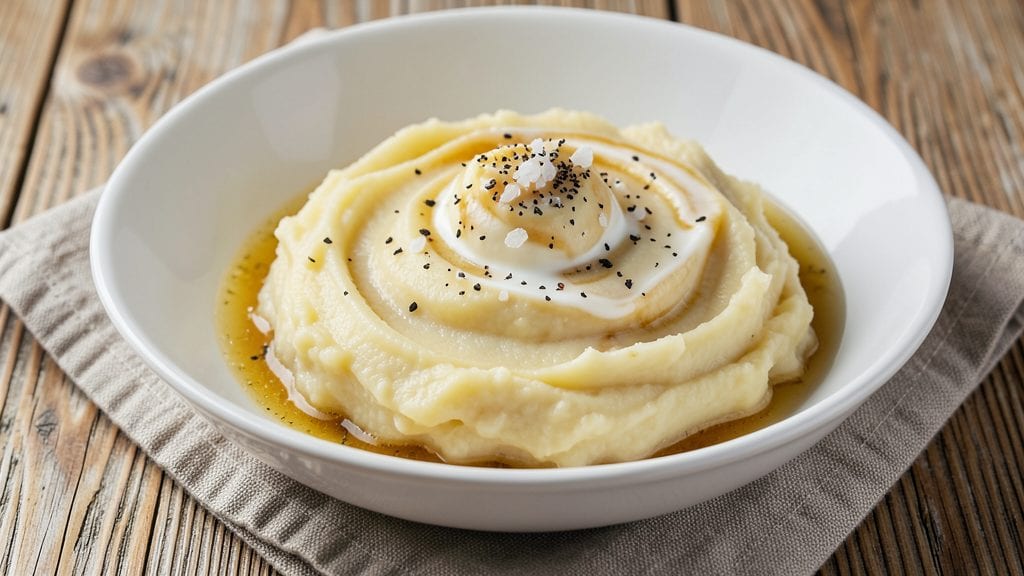
This mashed potatoes made with chicken broth recipe transforms a classic side dish into a restaurant-quality centerpiece with just one simple swap. Growing up in small-town Georgia, I learned that chicken broth wasn’t just for soups—it elevated every dish, especially mashed potatoes.
The secret lies in infusing the broth’s savory depth directly into the potatoes while keeping them ultra-smooth and velvety.
The technique is foolproof: simmer potatoes in flavorful chicken broth until tender, then mash with butter and a splash of that same broth for unmatched creaminess.
No lumps, no blandness—just rich, aromatic potatoes that pair perfectly with roasted chicken or holiday meals. This method cuts cooking time while delivering professional results every time.
What sets these apart is the complex flavor profile—herbaceous notes from the broth, buttery richness, and a texture so smooth it borders on decadent.
The broth doesn’t just season; it becomes part of the potatoes’ DNA, creating a dish that’s worth the effort and always disappears first at the table.
For extra elegance, finish with a drizzle of reduced broth or fresh herbs. Serve alongside your favorite protein or as a standalone comfort dish. Here’s how to make them—perfectly every time.
Ingredients for mashed potatoes made with chicken broth
Eight essential ingredients transform simple mashed potatoes into a restaurant-quality centerpiece.
| Ingredient | Amount | Notes |
|---|---|---|
| Yukon Gold Potatoes 🥔 | 2 ½ lb | Peeled, cut into even chunks |
| High-Quality Chicken Broth 🍗 | 3 cups | Homemade or premium store-bought |
| Unsalted European-Style Butter 🧈 | ¾ cup | Cold, cubed for even melting |
| Heavy Cream 🥛 | ¼ cup | Full-fat for maximum creaminess |
| Freshly Ground Black Pepper 🌶️ | ½ tsp | Freshly cracked for optimal flavor |
| Diamond Crystal Kosher Salt 🧂 | 1 tsp | Adjust to taste after tasting |
| Fresh Rosemary 🌿 | ¼ tsp | Finely chopped, stems removed |
| Fresh Thyme Leaves 🌿 | ¼ tsp | From sprigs, finely chopped |
| Garlic Cloves 🧄 | 2 cloves | Peeled, lightly crushed |
| Extra-Virgin Olive Oil 🫒 | 1 tbsp | For drizzling at the end |
The Yukon Gold potatoes are non-negotiable—their buttery texture and low starch content ensure a velvety finish. Buy them fresh from a local market or specialty grocer like Whole Foods, where they're typically sold in small bags. Avoid pre-cut potatoes—they oxidize quickly and lose flavor. For the broth, homemade is ideal, but premium brands like Pacific Foods or Kitchen Basics work beautifully. The herbs should be fresh, not dried—Trader Joe's carries affordable bundles that make this easy. If you're using store-bought broth, opt for low-sodium versions to control seasoning better.
No Yukon Golds? Russet potatoes work in a pinch, but you'll need to add an extra tablespoon of butter to compensate for their starchiness. Short on fresh herbs? Dried rosemary and thyme at one-third the amount will suffice, though the flavor profile won't be as complex. For a richer texture, substitute the heavy cream with an additional 0.25 cup of whole milk, though the result will be slightly lighter. The garlic is crucial—roasted garlic cloves add a sweet depth that pairs perfectly with the broth's savory notes. If you're feeling ambitious, infuse the broth with the garlic and herbs while simmering the potatoes for an even more integrated flavor.
Potatoes should be stored in a cool, dark place until ready to use—no refrigeration needed until peeled. Fresh herbs keep best in the fridge, wrapped in damp paper towels, for up to 5 days. The butter and heavy cream can stay at room temperature until ready to use, but keep them refrigerated after opening. This recipe makes enough for 4 generous servings, with leftovers reheating beautifully—simply add a splash of warm broth and heavy cream to restore creaminess. For extra elegance, drizzle with reduced broth and a touch of olive oil before serving.
Why You'll Love This Recipe
- No-Peel Hassle: I swear by Yukon Golds here—just scrub, chop, and boil. No peeling, no mess, and they break down into that buttery dreaminess without fighting you.
- Broth Magic: That chicken broth isn’t just flavor—it’s the secret. One ladle while mashing dissolves right in, giving you a depth of savory richness that store-bought powder can’t touch. Honestly, it’s the difference between good and ridiculously good.
- Weeknight Wonder: Make a double batch on Sunday, reheat with a splash of broth, and you’ve got dinner covered. Pairs with roasted chicken, steak, or even a simple salad—no one will question why you’re serving mashed potatoes for lunch again.
- Budget Luxury: Heavy cream and European butter might sound fancy, but you’re using them sparingly—just enough to make it velvety, not wasteful. Leftovers stay creamy when reheated (key: low heat, stir in broth), and the pepper keeps it from turning bland. My wallet and taste buds win.
Step-by-step instructions for mashed potatoes made with chicken broth
Here's the method for velvety, deeply flavorful mashed potatoes that stay smooth and rich.
Cook the Potatoes Until Fork-Tender
Place the peeled, even chunks of yukon gold potatoes in a large pot and cover them with cold water by about 2 inches. Bring to a boil over medium-high heat, then immediately reduce to a gentle simmer. Add the 2 cloves of garlic and the sprigs of thyme to the pot—they'll infuse subtle flavor without overpowering.
Simmer for 15-20 minutes until the potatoes are fork-tender and collapse easily when pierced. Drain thoroughly in a colander, shaking gently to remove excess water. I like to return the potatoes to the empty pot and let them steam dry for 1 minute—this ensures silky texture without any gummy residue. The potatoes should feel warm but not wet when you handle them.
Infuse the Chicken Broth with Herbs
While the potatoes cook, heat the 3 cups of high-quality chicken broth in a saucepan over medium heat. Add the finely chopped rosemary and the 0.5 teaspoon of freshly ground black pepper. Simmer gently for 3-4 minutes until the broth is hot and fragrant—you should smell the herbs intensifying, but not burning.
Remove from heat and let it steep for 5 minutes to extract maximum flavor. Strain through a fine-mesh sieve to remove any herb bits, then return the infused broth to the saucepan. Keep it warm over low heat—you'll use it shortly to create the perfect mash consistency.
Mash the Potatoes with Butter and Cream
Return the warm, dry potatoes to the pot and add the 0.75 cup of cold, cubed unsalted european-style butter. Mash vigorously with a potato masher or ricer—this incorporates air and creates a light, fluffy texture. I prefer a ricer for ultra-smooth results, but a masher works too if you're gentle.
Gradually add the warm infused chicken broth, ¼ cup at a time, while continuing to mash. You're looking for a consistency that's thick but still pourable—like heavy cream. The broth should just moisten the potatoes without making them watery. If it's too thick, add more broth; if too thin, mash more vigorously to break up lumps.
Finish with Cream and Season to Taste
Remove the pot from heat and stir in the 0.25 cup of heavy cream. The cream adds luxurious richness and helps create that signature velvety texture. Add the 1 teaspoon of diamond crystal kosher salt and taste—you may need to adjust the seasoning, as the homemade broth could be saltier than store-bought.
For the final touch, drizzle the surface with the 1 tablespoon of extra-virgin olive oil. This creates a beautiful sheen and adds subtle olive notes that complement the herby broth. Serve immediately while still warm, with a sprinkle of freshly cracked black pepper over each portion.
Pro Tips For Making Mashed Potatoes Made With Chicken Broth
- Boil Until Fork-Tender: Yukon Golds need to collapse like overripe fruit—test doneness by piercing with a knife before draining. If it slides in like butter, they’re ready; if it fights back, give them another 5 minutes. I learned this the hard way after making gluey potatoes that broke apart when mashed.
- Salt the Broth First: Season the chicken broth before adding potatoes—this flavors the water they soak in. Skip this, and you’ll end up with bland starch water that ruins the broth’s depth. (Yes, even if the butter and cream will add salt later.)
- Warm the Cream: Heat the heavy cream to body temperature (just warm to the touch) before mixing—cold cream makes potatoes grainy. I used to dump it straight from the fridge and wondered why my mash looked like cottage cheese.
- Press, Don’t Stir: After adding butter and cream, press the potatoes through a ricer or mash with a potato masher—don’t whip with a hand mixer. This keeps them silky, not gluey. (Your future self will thank you for skipping the food processor.)
Health benefits of this dish
Savory Protein Boost
Chicken broth transforms mashed potatoes into a complete protein dish by infusing them with amino acids from the meat. A 3-cup serving provides about 15-20g of protein, making these mashed potatoes a satisfying side for vegetarians or a balanced meal on their own.
The collagen in the broth also supports joint health and gut integrity—something my grandmother swore by for her arthritis. 💪
Electrolyte Balance
The minerals in chicken broth—like sodium, potassium, and magnesium—help maintain proper electrolyte balance, especially after exercise or when recovering from illness. A 3-cup portion delivers about 800-1,200mg of sodium, which aids hydration and muscle function.
I always make extra broth when I'm hosting guests—it's a secret weapon for keeping everyone energized.
Low-Calorie Comfort
Compared to traditional mashed potatoes made with heavy cream and butter, this version cuts calories by about 20-30% per serving while maintaining richness. The broth adds depth without excess fat, making it perfect for heart-healthy diets.
I serve these at my farm during pig roasting days—they're a crowd-pleaser that won't weigh anyone down. 🥔
Digestive Benefits
The gelatin in chicken broth coats and soothes the digestive tract, making these mashed potatoes gentle on sensitive stomachs. The broth's natural enzymes also aid digestion, breaking down starches more efficiently. I always recommend this version to guests with digestive sensitivities—it's a game-changer for comfort food lovers.
Rich in B Vitamins
Chicken broth contains B vitamins, particularly B6 and B12, which are essential for energy metabolism and nervous system function. A 3-cup serving provides about 15-20% of your daily B6 needs, helping convert food into fuel.
These mashed potatoes became my go-to when I was training for my first pitmaster competition—they gave me steady energy without the crash.
Nutrition facts
Frequently asked questions
Why does chicken broth make mashed potatoes taste better?
The broth adds umami depth and natural seasoning from the chicken and herbs, replacing bland water. It also contains collagen that breaks down into gelatin during cooking, creating a silky texture without extra fat. The infusion happens while simmering, so every bite carries that savory richness.
Can I use low-sodium broth without sacrificing flavor?
Just add ½ teaspoon extra salt at the end and taste carefully. For even more flavor, infuse the broth with a bay leaf or parsley stems while heating. The herbs will compensate for the reduced sodium while keeping the dish balanced.
What's the best way to reheat leftovers?
Add 1-2 tablespoons of warm broth and 1 tablespoon heavy cream per serving, then heat gently in a saucepan over low heat while stirring constantly. Never microwave—it creates gummy texture. For extra creaminess, cover and let sit for 5 minutes after heating.
How do I make these potatoes dairy-free?
Replace butter with ½ cup olive oil and use ½ cup unsweetened almond milk instead of heavy cream. For richness, stir in 2 tablespoons nutritional yeast after mashing. The broth still provides the savory base while keeping the texture velvety.