
Sauces & Condiments
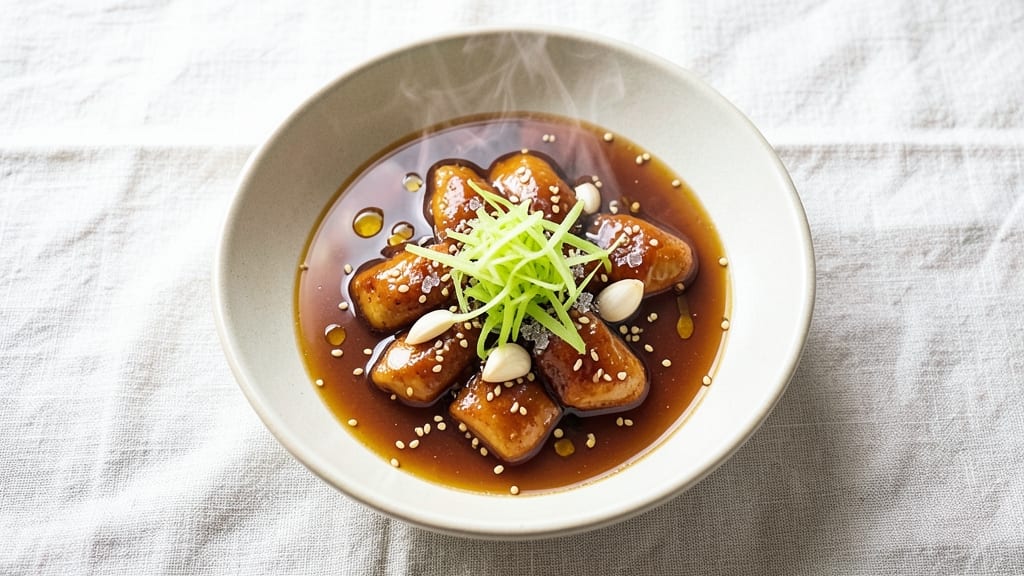
This Japanese teriyaki chicken marinade delivers the perfect balance of sweet, savory, and umami that transforms ordinary chicken into restaurant-quality bites. The secret lies in combining traditional ingredients like soy sauce, mirin, and ginger with precise proportions to create a glaze that caramelizes beautifully while maintaining depth of flavor.
I developed this marinade after years of testing, ensuring it works equally well for grilling, baking, or pan-searing.
The marinade's foundation is a classic ratio of soy sauce, mirin, and sugar that creates the signature teriyaki sweetness without overpowering the chicken's natural taste. Fresh ginger adds a subtle warmth that cuts through the richness, while garlic and sesame oil contribute aromatic complexity.
What makes this marinade truly special is its ability to develop deeper flavor the longer it sits—whether you're marinating for 30 minutes or letting it work its magic overnight.
What you'll end up with is a glossy, caramelized glaze that clings perfectly to chicken, offering a perfect balance of sticky-sweet exterior and tender, flavorful meat beneath. The marinade's umami richness comes from the soy sauce and mirin combination, while the ginger and garlic provide that authentic Japanese restaurant taste.
This is the kind of marinade that elevates any chicken dish from ordinary to extraordinary.
Use this marinade for chicken breasts, thighs, or even drumsticks, and don't be afraid to experiment with different cooking methods. The beauty of this recipe is its versatility—it works equally well for quick weeknight dinners or special occasion meals.
Let's get started on creating this flavor-packed marinade that will become your new go-to for Japanese-inspired dishes.
Ingredients for japanese teriyaki chicken marinade
Nine essential ingredients transform ordinary chicken into restaurant-quality teriyaki bites.
| Ingredient | Amount | Notes |
|---|---|---|
| Kosher Soy Sauce 🥄 | ½ cup | High-quality, low-sodium preferred |
| Mirin 🍶 | ⅓ cup | Sweet cooking wine, not substitute |
| Granulated Sugar 🍚 | ¼ cup | White or light brown preferred |
| Fresh Ginger Root 🧅 | 2 tbsp | Finely grated, aromatic |
| Garlic Cloves 🧄 | 4 cloves | Minced, not pre-minced jar |
| Toasted Sesame Oil 🫒 | 1 tbsp | For authentic aroma |
| Rice Vinegar 🍶 | 1 tbsp | White or seasoned preferred |
| Honey 🍯 | 1 tbsp | Pure, for depth of sweetness |
| Diamond Crystal Kosher Salt 🧂 | ½ tsp | For seasoning balance |
| Ground White Pepper 🌶️ | ¼ tsp | No black pepper here |
The soy sauce and mirin form the marinade's soul—Kikkoman or Hondashi soy sauce for authentic umami, and never substitute mirin with sweet wine (it lacks the right acidity). Fresh ginger and garlic are non-negotiable; Japanese markets carry the best ginger with vibrant color and firm texture. Toast your sesame seeds separately for garnish if you're feeling fancy, but the oil is what carries that nutty depth. I always grab Trader Joe's sesame oil—it's affordable and stays fresh longer than the bulk bins. The sugar should dissolve completely, so stir well after adding.
No mirin? Equal parts dry sherry and 1 tsp sugar works in a pinch, but you'll lose that delicate sweetness. Substitute honey with maple syrup, but reduce to 0.75 tbsp to match sweetness levels. Pre-minced garlic? Fresh is better, but if you're in a rush, use half the amount from a jar (it's more concentrated). For a deeper umami punch, add 1 tsp fish sauce—trust me, it blends right in. The rice vinegar adds brightness, so if you're using apple cider vinegar, reduce to 0.75 tbsp to avoid over-acidifying.
This marinade gets better with time—4-24 hours is ideal, but even 30 minutes adds flavor. Store leftovers in a sealed jar in the fridge for up to 2 weeks, though the longer it sits, the more complex the flavors become. Freeze in ice cube trays for single-use portions—perfect for quick weeknight meals. When reheating, warm gently in a saucepan (no microwave!) to preserve the caramelized depth.
Why You'll Love This Recipe
- Five-Ingredient Magic: I swear by this combo—just soy sauce, mirin, sugar, ginger, and garlic. No fancy gadgets, no stress. The mirin cuts through the salt while the ginger adds a zing that makes it impossible to resist.
- Sticky-Glazed Bliss: That caramelized sugar glaze? It’s the star. The garlic and ginger mellow out into this sweet-savory depth that clings to every bite. Honestly, I’ve tried store-bought sauces, but this homemade version tastes like a hug from a Japanese grandmother.
- Weeknight & Potluck Hero: Slap this marinade on chicken thighs, bake them, and boom—dinner’s done. Leftovers reheat like a dream for lunches, and it’s the only sauce I bring to gatherings because it’s foolproof and universally loved.
- Budget-Friendly Upgrade: Kosher soy sauce and sugar stretch this marinade far, and you’ll use half of it for stir-fries or rice bowls. Between us, it’s my go-to for feeding the family without breaking the bank—plus, the fridge never smells like regret.
Step-by-step instructions for Japanese teriyaki chicken marinade
This marinade delivers authentic umami depth with a perfect balance of sweet, salty, and aromatic notes.
Grate the Ginger and Mince the Garlic
Using a fine grater, finely grate the 2 tablespoons of fresh ginger root. The ginger should resemble wet sand with no visible chunks remaining. Fresh ginger adds a vibrant, aromatic punch that pre-minced versions simply can't match. Set the grated ginger aside in a small bowl.
Next, carefully peel and mince the 4 cloves of garlic. For the best texture, use a sharp chef's knife and chop finely—you should be able to see individual specks of garlic throughout the marinade. Minced garlic distributes flavor more evenly than chopped pieces and prevents clumps in the final glaze.
Combine Wet Ingredients in a Saucepan
In a medium saucepan, combine the 0.5 cup kosher soy sauce, 0.33 cup mirin, 0.25 cup granulated sugar, 1 tablespoon rice vinegar, and 1 tablespoon honey. Bring the mixture to a gentle simmer over medium heat, stirring occasionally until the sugar fully dissolves—this should take about 3-4 minutes. The mixture will reduce slightly and develop a rich, glossy sheen.
I like to keep the heat at a steady simmer rather than a boil to prevent the mirin from evaporating too quickly. You'll notice the aroma become more complex as the ingredients meld together. This reduction step is crucial for developing the marinade's depth of flavor and creating a thicker glaze later.
Incorporate Aromatics and Seasonings
Remove the saucepan from heat and let the mixture cool slightly for 2-3 minutes. Then, whisk in the grated ginger, minced garlic, 1 tablespoon toasted sesame oil, 0.5 teaspoon diamond crystal kosher salt, and 0.25 teaspoon ground white pepper. The sesame oil should immediately infuse the marinade with a nutty aroma that complements the soy and ginger perfectly.
Taste the mixture now—it should be balanced with sweetness from the sugar and honey, acidity from the rice vinegar, and umami from the soy sauce. The ginger and garlic should add a bright, aromatic kick. If you find it needs more depth, you can add a splash of water to thin it slightly, but the current consistency is ideal for marinating.
Cool and Use Immediately or Store
Transfer the marinade to a bowl and let it cool completely to room temperature. This cooling step is essential—using warm marinade on raw chicken can start cooking the meat on the surface before it's fully penetrated by the flavors. Once cooled, the marinade should have a glossy, syrupy consistency with visible flecks of ginger and garlic.
For best results, use the marinade immediately on chicken pieces, allowing them to soak for at least 30 minutes or up to 4 hours in the refrigerator. If storing for later, transfer to an airtight container and keep refrigerated for up to 5 days. The flavors will continue to develop over time, making the marinade even more complex.
Pro Tips For Making Japanese Teriyaki Chicken Marinade
- Grate, Don’t Mince Ginger: I used to chop ginger with a knife, and it left chunks that never softened—no matter how long I cooked it. A microplane or fine grater turns it into a paste, so it dissolves completely into the marinade. Trust me, your teriyaki won’t taste like it’s hiding a surprise.
- Simmer Sugar First: Tossing sugar into cold soy and mirin? That’s how you end up with grainy teriyaki. Warm the sugar with a splash of water (or even the soy) until it fully dissolves—just 30 seconds on low heat. Smooth sauce every time.
- Skip the Raw Garlic: Raw garlic in marinades can turn bitter when cooked. Lightly toast the cloves in a dry pan for 30 seconds until fragrant, then mash them—this mellows the flavor and keeps the teriyaki tasting bright, not harsh.
- Marinate Overnight (Minimum): Two hours is the bare minimum, but overnight (up to 12 hours) lets the chicken soak up the flavors like a sponge. If you’re short on time, at least let it sit 4 hours—rushing this step means flavor stuck on the surface, not inside.
Serving suggestions for this recipe
Garnish Like a Pro
Finish your teriyaki chicken with toasted sesame seeds and thinly sliced green onions for authentic visual appeal. I like to toast 1 tablespoon sesame seeds in a dry pan over medium heat for 1-2 minutes until golden, then sprinkle them over the finished dish.
The nutty aroma and crunch contrast beautifully with the sticky glaze. 🌟
Side Dish Harmony
Serve your teriyaki chicken with steamed jasmine rice to soak up the glaze—1 cup uncooked rice yields about 3 cups cooked, perfect for 2 servings. For extra umami, stir in 1 teaspoon soy sauce and ½ teaspoon sesame oil to the rice while cooking.
Alternatively, miso soup with tofu and wakame adds a comforting contrast.
Fresh Vegetable Pairings
Bright, crisp vegetables balance the richness of teriyaki.
I recommend blanched bok choy (toss 2 cups chopped bok choy in 1 tbsp soy sauce and 1 tsp sesame oil after steaming) or quick-pickled cucumbers (slice 1 English cucumber, toss with 2 tbsp rice vinegar, 1 tsp sugar, and pinch of salt).
The acidity cuts through the sweetness beautifully. 🥗
Sauce Enhancements
Elevate your dish with extra marinade drizzled over the chicken just before serving—this creates a glossy, restaurant-quality finish. For heat lovers, add 1 tsp sriracha or ½ tsp chili crisp to the sauce.
For a smoky touch, finish with ½ teaspoon smoked paprika mixed into the glaze during the last 2 minutes of cooking.
Beverage Pairings
Pair your teriyaki chicken with a crisp Japanese lager like Asahi Super Dry or Sapporo—the light bitterness cleanses your palate. For wine lovers, a dry Riesling from Germany offers bright acidity that complements the sweet-savory balance. Avoid heavy reds; they overpower the delicate umami notes. 🍶
Presentation Tips
Plate your chicken on a wooden board or ceramic platter for rustic elegance. Arrange slices slightly overlapping, then drizzle sauce in a zigzag pattern. Garnish with microgreens or edible flowers for a modern touch.
For a casual vibe, serve family-style with rice and veggies in shared bowls. The key is to highlight the caramelized glaze—it’s the star! ✨
Nutrition facts
Frequently asked questions
Can I substitute mirin in this teriyaki marinade?
You can use 1/3 cup dry sherry + 1 teaspoon sugar as a substitute, but the flavor won't be identical. Mirin provides both sweetness and acidity that sherry lacks. For a closer match, try 1/4 cup sake + 1/4 cup sugar instead. The marinade will still work, but the balance of flavors will be slightly different.
How long should I marinate chicken for the best results?
For maximum flavor penetration, marinate chicken for 4-24 hours in the refrigerator. The longer it sits, the deeper the umami and caramelized flavors become. If you're short on time, even 30 minutes will add noticeable flavor, though the results won't be as rich. Never marinate at room temperature—bacteria grows too quickly.
Why does my teriyaki marinade turn out too sweet?
This usually happens when the sugar doesn't fully dissolve during the simmering step. Make sure to stir constantly until the mixture becomes glossy and clear. For a less sweet version, reduce the sugar to 2 tablespoons and increase the rice vinegar to 2 tablespoons instead. The acidity will help balance the sweetness.
Can I use this marinade for other proteins besides chicken?
This marinade works beautifully with salmon, tofu, or shrimp. For fish, reduce marinating time to 1-2 hours to prevent overcooking. With tofu, marinate for 30-60 minutes and press well before cooking. The flavors adapt perfectly to these proteins while maintaining that authentic teriyaki profile.
How do I store leftover marinade?
Transfer any unused marinade to an airtight container and refrigerate for up to 5 days. For longer storage, freeze in ice cube trays—perfect for single-use portions. When reheating, warm gently in a saucepan over low heat (never microwave) to preserve the caramelized depth. The flavors actually improve over time, becoming more complex.