
Appetizers
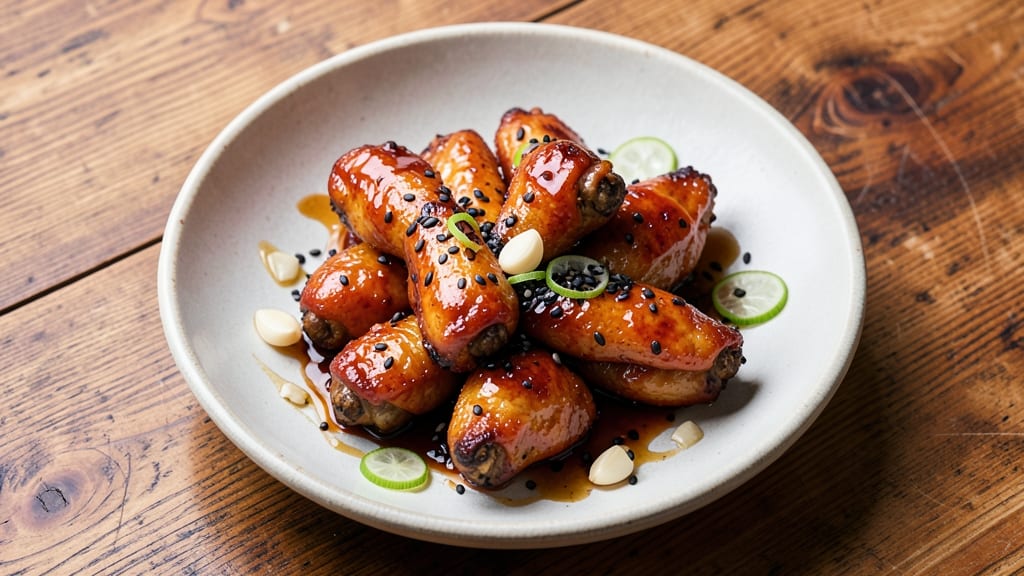
This Japanese chicken wings recipe delivers the perfect balance of crispy, tender meat wrapped in a sticky-sweet teriyaki glaze that transforms any appetizer spread. The secret lies in a precise marinade and cooking technique that ensures every bite is packed with umami and caramelized flavor.
I developed this recipe after years of testing different methods, and it consistently delivers restaurant-quality results at home.
The process begins with a simple yet flavorful marinade that tenderizes the chicken while infusing it with garlic, ginger, and soy sauce.
From there, you'll cook the wings to achieve that signature crispy exterior and juicy interior, then finish them with a homemade teriyaki glaze that creates those coveted sticky-sweet swirls. This method is designed to be straightforward, with clear steps that even beginners can follow to achieve professional results.
By the time you're done, you'll have golden-brown wings with a glaze that's perfectly balanced—sweet enough to satisfy cravings but with enough savory depth to keep the dish sophisticated. The contrast between the crispy chicken and the glossy glaze makes these wings impossible to resist.
Whether you're serving them at a party or enjoying them as a weeknight snack, this recipe delivers every time.
One of the best things about this recipe is its versatility. You can adjust the sweetness of the glaze to suit your taste or swap out ingredients based on what you have on hand.
The technique works equally well for grilling, baking, or air frying, making it adaptable to any kitchen setup. Let's get started on creating these irresistible Japanese-style wings!
Ingredients for japanese chicken wings
Core ingredients for restaurant-style teriyaki wings with crispy texture and glossy glaze.
| Ingredient | Amount | Notes |
|---|---|---|
| Chicken Wings 🍗 | 2 lb | Split into drumettes and flats |
| Soy Sauce 🥫 | ½ cup | Low-sodium preferred for balance |
| Honey 🍯 | ⅓ cup | Wildflower for floral notes |
| Garlic Cloves 🧄 | 6 cloves | Minced, fresh preferred |
| Fresh Ginger 🌿 | 2 tbsp | Grated, peeled root |
| Sesame Oil 🫒 | 1 tbsp | Toasted for aroma |
| Rice Vinegar 🍶 | 2 tbsp | White vinegar substitute |
| Mirin 🍶 | 2 tbsp | Sweet cooking wine |
| Sesame Seeds 🌾 | 2 tbsp | Toasted for garnish |
| Vegetable Oil 🫒 | ½ cup | High smoke point |
| Cornstarch 🌾 | 2 tbsp | For crispy coating |
| Salt 🧂 | 1 tsp | Kosher or sea salt |
| Black Pepper 🌶️ | ½ tsp | Freshly ground |
| Green Onion 🧅 | 2 whole | Sliced, for garnish |
The chicken wings are the foundation—split drumettes and flats for even cooking. Look for fresh, plump wings with minimal bruising, preferably from a trusted butcher or Costco for bulk quality. The soy sauce should be low-sodium to avoid overpowering the delicate balance of flavors. Honey adds sweetness, but agave or maple syrup work equally well if preferred. Fresh garlic and ginger are essential for that authentic umami punch; organic ginger from the produce section at Whole Foods often has the best flavor, but any fresh ginger will do. Toast your sesame seeds in a dry pan for 30 seconds before using—they'll release their nutty aroma and add texture to the finished dish.
No mirin? Substitute equal parts honey and water for a similar sweetness, though the depth of flavor will differ slightly. Rice vinegar can be swapped for apple cider vinegar if unavailable, but it will alter the tang slightly. For the crispy coating, cornstarch is non-negotiable—it creates that signature crunch. If you're short on time, a 50/50 mix of cornstarch and all-purpose flour works, though the texture won't be quite as crisp. The sesame oil should be toasted sesame oil, not the lighter, cheaper variety—it makes all the difference in the final glaze. For extra depth, add a 1/2 teaspoon of grated daikon radish to the marinade, though it's optional.
Marinated wings keep up to 24 hours in the fridge, though they're best used within 12 hours for maximum flavor infusion. The teriyaki glaze can be made a day ahead and reheated gently on the stove—just add a splash of water if it thickens. Leftover wings reheat beautifully in a 350°F oven for 10-15 minutes, covered loosely with foil. For parties, assemble wings on a wire rack over a baking sheet to ensure crispiness. Store leftovers in an airtight container for 3-4 days, though they're rarely that lucky.
Why You'll Love This Recipe
- One-Pan Magic: I swear by this—just toss the wings, sauce, and aromatics on a sheet pan, and let the oven do the work. No messy bowls, no extra dishes, and honestly? The sticky-sweet glaze caramelizes right there while you scroll through your phone.
- Sweet-Savory Balance: That honey-soy glaze with fresh ginger? It’s the kind of flavor that makes you pause mid-bite. The garlic cloves add a punch, but the ginger keeps it from being too heavy—like a perfect umami hug for your taste buds.
- Game for Any Gathering: Need a snack for game night? A quick lunch? A last-minute party appetizer? These wings handle it all. Double the batch, store them in the fridge, and reheat in seconds—your guests will think you slaved over them.
- Budget-Friendly Feast: Chicken wings are cheap, and this recipe stretches them further with a sauce that costs pennies. Leftovers? Even better—they reheat like a dream and taste just as good the next day. My wallet and my family thank me every time.
Step-by-step instructions for Japanese chicken wings
Here's how to achieve that perfect balance of crispy, sticky-sweet wings with a glossy teriyaki finish.
Prepare the Chicken Wings for Maximum Crisp
Pat the 2 lb chicken wings completely dry with paper towels—this is crucial for crispiness. Remove any excess fat or skin, then split each wing into drumettes and flats. In a large bowl, toss the wings with the 1 tsp salt, 0.5 tsp black pepper, and 2 tbsp cornstarch until evenly coated. This coating will create that signature crunch.
Let the seasoned wings sit at room temperature for 15 minutes while you prepare the glaze. This resting period ensures even cooking and prevents steaming when they hit the hot oil. The cornstarch mixture should cling tightly to each piece—if it doesn't, give them another quick toss.
Cook the Wings to Golden Perfection
Heat the 0.5 cup vegetable oil in a deep skillet or Dutch oven over medium-high heat until it reaches 350°F. Carefully add the wings in a single layer, working in batches if needed to avoid crowding. Cook for 8-10 minutes, turning occasionally, until they reach an internal temperature of 165°F and develop a deep golden-brown color.
Don't walk away during this step—the oil temperature will drop as you add more wings. If the oil starts smoking excessively, reduce the heat slightly. The wings should sizzle steadily without burning. Once cooked, transfer them to a paper towel-lined plate to drain excess oil while you prepare the teriyaki glaze.
Create the Sticky-Sweet Teriyaki Glaze
In a small saucepan, combine the 0.5 cup soy sauce, 0.33 cup honey, 2 tbsp mirin, 2 tbsp rice vinegar, 6 cloves minced garlic cloves, and 2 tbsp grated fresh ginger. Bring the mixture to a simmer over medium heat, then reduce to low and let it cook for 5-7 minutes until slightly thickened.
Remove the pan from heat and stir in the 1 tbsp sesame oil. Taste and adjust seasoning if needed—you might want to add a pinch more salt or a drizzle of honey for perfect balance. The glaze should coat the back of a spoon and have a glossy sheen. Keep it warm while you prepare to toss the wings.
Glaze and Garnish the Wings
Return the cooked wings to the skillet (no need to wipe it clean—the browned bits add flavor) and pour the warm teriyaki glaze over them. Toss gently to coat each piece evenly. Cook for an additional 2-3 minutes until the glaze begins to caramelize slightly and stick to the wings.
Transfer the wings to a serving platter and sprinkle with the 2 tbsp toasted sesame seeds. Garnish with the sliced 2 whole green onions for freshness. Serve immediately while the glaze is still sticky and glossy—this dish tastes best straight from the pan.
Pro Tips For Making Japanese Chicken Wings
- CRISP FIRST, GLAZE LATER: Use a hot, dry skillet for the initial sear—get those wings golden in 3-4 minutes per side before tossing in the sauce. I learned this the hard way when my first batch turned out soggy; the high heat locks in moisture while building the crust that soaks up the glaze perfectly.
- GINGER: GRATE, DON’T CHOP: Fine grating (not mincing) fresh ginger releases its oils and aroma without bitterness—just 1 teaspoon of grated ginger will punch up the sauce more than 3 chopped cloves. Sounds weird, but it works: the texture blends seamlessly, and you won’t taste the fibrous chunks.
- SAUCE: SIMMER, DON’T BOIL: Reduce the soy-honey-garlic mixture over medium-low heat until it thickens to a syrupy consistency—about 5-7 minutes. Boiling it turns the honey grainy and dulls the garlic’s flavor. Stir occasionally, and resist the urge to rush it; patience here makes the difference.
- WINGS: PAT DRY, THEN SALT: After rinsing, dry the wings thoroughly with paper towels and season generously with salt before searing. The salt draws out moisture, ensuring a better crust and preventing the sauce from steaming the skin. I skip this when I’m lazy, but the dish is noticeably better when I don’t.
Perfect pairings for this recipe
Sides that Shine
Japanese chicken wings pair beautifully with steamed edamame—its buttery beans and salty sea salt complement the sweet-savory glaze perfectly. I like serving 1 cup shelled edamame steamed for 5 minutes with a sprinkle of flaky salt and a drizzle of toasted sesame oil.
The contrast of textures and temperatures makes every bite exciting. 💫
Crunchy Contrasts
For a satisfying crunch, serve these wings with quick-pickled cucumbers. Thinly slice 1 English cucumber and soak in a mix of ¼ cup rice vinegar, 1 tbsp sugar, and a pinch of red pepper flakes for 15 minutes.
The cool, tangy crunch cuts through the richness of the teriyaki beautifully.
Fresh Garnishes
Brighten the plate with microgreens or shredded cabbage—their crisp texture and mild flavor balance the sticky glaze. I keep a small bag of red cabbage in my fridge for quick shredding.
A sprinkle of toasted nori flakes adds an extra layer of umami that elevates the dish to restaurant quality.
Dipping Sauces
Don't forget the dipping sauces! A simple soy-ginger dip made with 2 tbsp soy sauce, 1 tbsp honey, 1 tsp grated ginger, and a splash of water creates the perfect contrast.
For heat lovers, add 1 tsp sriracha to the glaze before serving—it adds a spicy kick that pairs surprisingly well with the sweetness. 🌶️
Beverage Pairings
A crisp Japanese lager like Asahi Super Dry or Sapporo cleanses the palate between bites. The light, refreshing hop bit balances the richness of the wings. For non-alcoholic options, try yuzu soda—its citrusy tang complements the teriyaki perfectly.
I also love serving these wings with green tea for a more traditional pairing.
Make-Ahead Serving
If you're prepping ahead, store the cooked wings in an airtight container with a paper towel to absorb moisture. Reheat in a 375°F oven for 10 minutes before glazing again.
Serve with warm miso soup and steamed rice for a complete, comforting meal. The combination of textures and temperatures makes this dish feel like a restaurant experience at home. ✨
Nutrition facts
Frequently asked questions
Can I use frozen chicken wings for this recipe?
Fresh wings work best for that signature crispy texture, but you can use frozen wings if thawed properly. Pat them completely dry after thawing and pat extra dry with paper towels—this step is critical to prevent steam from forming during cooking. For extra insurance, let them air dry on a wire rack for 10-15 minutes before seasoning.
How do I adjust the sweetness level in the glaze?
The teriyaki glaze is designed to be perfectly balanced, but you can easily tweak it. For less sweetness, reduce honey to 2 tbsp and add 1 tbsp extra mirin for acidity. For more sweetness, increase honey to 0.4 cup and reduce mirin to 1 tbsp. Always taste as you go—this glaze is meant to be adaptable!
What's the best way to keep the wings crispy when reheating?
Reheat wings in a 400°F oven for 8-10 minutes on a wire rack placed over a baking sheet. This allows hot air to circulate underneath, preventing sogginess. Avoid microwaving—it steams the wings and destroys crispiness. For extra crunch, broil for 1-2 minutes at the end, watching closely to avoid burning.
Can I make this recipe without mirin?
Replace mirin with a 1:1 mix of honey and water for sweetness, or use dry white wine for depth. For a non-alcoholic option, try apple cider vinegar plus 1 tsp sugar. The glaze will still develop that signature glossy finish, though mirin's unique umami will be slightly different.
Why did my wings turn out greasy instead of crispy?
Greasy wings usually mean the oil was too hot or the wings weren't dry enough. Maintain oil at 350°F and work in small batches to avoid temperature drops. Always pat wings completely dry before cooking—even small amounts of moisture create steam, preventing crispiness. If needed, double-check your thermometer calibration for accuracy.