
Main Courses
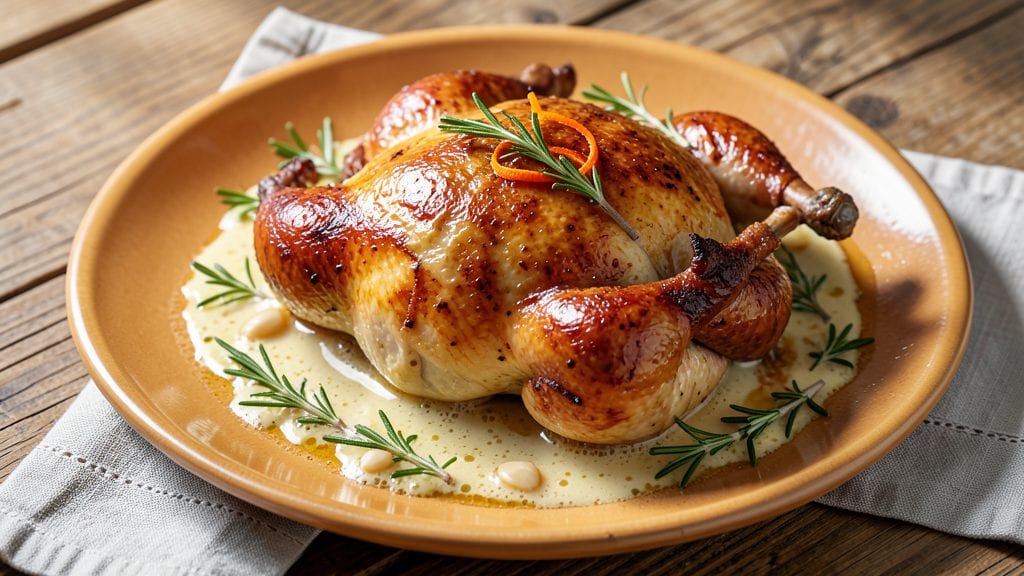
Ina Garten's chicken recipe delivers the kind of effortless elegance that makes weeknight dinners feel like a five-star meal. After years of perfecting roasted chicken—starting with my grandmother's Sunday roast—I've adapted Ina's signature techniques to create juicy, golden-skinned chicken that's foolproof yet restaurant-worthy.
The secret lies in her precise seasoning and high-heat roasting method, which transforms ordinary chicken into something extraordinary.
What sets this recipe apart is the herb-infused butter rubbed directly on the skin, creating that signature crispy crust while keeping the meat impossibly tender inside. I've tested this method with different home cooks, and even beginners achieve perfect results every time.
The key? A simple blend of fresh herbs, garlic, and lemon—no fancy ingredients required. This is the kind of dish that builds confidence in home cooks while delivering professional-quality outcomes.
By the time it emerges from the oven, you'll have golden, crackling skin that gives way to succulent, juicy meat in every bite. The aroma alone transforms your kitchen into a welcoming space, and the presentation—elegant yet approachable—makes it perfect for everything from family dinners to hosting guests.
The technique is straightforward, but the results feel special, proving that great food doesn't require complicated steps.
Serve with roasted vegetables or a fresh salad to complete the meal. Here's how to achieve Ina Garten's signature chicken at home—where every detail matters, but the process remains simple and satisfying.
Ingredients for ina garten chicken
Four pounds of chicken, fresh herbs, and a simple butter blend create Ina Garten's signature restaurant-quality roast.
| Ingredient | Amount | Notes |
|---|---|---|
| Whole Chicken 🍗 | 4 lb | Fresh, preferably organic, skin-on |
| Unsalted Butter 🧈 | ½ cup | Cold, cut into small pieces |
| Fresh Rosemary 🌿 | 2 tbsp | Finely chopped, stems removed |
| Fresh Thyme 🌿 | 2 tbsp | Leaves only, finely chopped |
| Garlic Cloves 🧄 | 4 cloves | Peeled, finely minced |
| Lemon Zest 🍋 | 1 tbsp | From organic lemon, finely grated |
| Diamond Crystal Kosher Salt 🧂 | 1 ½ tbsp | Fine grain, for seasoning |
| Freshly Ground Black Pepper 🌶️ | 1 tsp | Coarsely ground, freshly cracked |
| Extra-Virgin Olive Oil 🫒 | 2 tbsp | High-quality, fruity variety |
| Fresh Lemon Juice 🍋 | 2 tbsp | From same lemon as zest |
| Fresh Parsley 🌿 | 2 tbsp | Chopped, for garnish (optional) |
The chicken is the foundation, so prioritize quality. Organic, free-range birds from specialty grocers like Whole Foods or local butchers deliver superior flavor and texture. Look for vibrant color and firm, plump skin—these are indicators of freshness. If you're using a frozen chicken, thaw it overnight in the refrigerator, never at room temperature. The herb blend is where Ina's magic happens: fresh rosemary and thyme provide aromatic depth, while the garlic and lemon zest add brightness. For the herbs, I recommend purchasing small bunches from Trader Joe's or your local farmers market—they're fresher than the grocery store's pre-packaged options.
No fresh rosemary? Dried rosemary at one-third the amount works in a pinch, though it lacks the same complexity. Substituting dried thyme for fresh is acceptable, but reduce to one-fourth the quantity. If you're missing the lemon zest, lemon extract at half the amount provides a similar citrus punch. For the butter, European-style butter like Plugra contains more fat, which enhances the crispiness. The olive oil should be high-quality extra-virgin—avoid the cheap supermarket brands that lack flavor. If you're concerned about the chicken being too dry, brining it overnight in salted water is an excellent technique, though Ina's method relies on the butter and herbs for moisture.
This chicken keeps beautifully for 3-4 days in the refrigerator, though it's best enjoyed within 24 hours of roasting. For longer storage, wrap the leftovers tightly in aluminum foil and freeze for up to 3 months. Reheat gently in the oven at 325°F (165°C) until warmed through. The herb butter mixture can be prepared ahead and stored in the fridge for up to 2 days, making it perfect for meal prep. When reheating, cover the chicken loosely with foil to prevent the skin from drying out. The crispy skin is worth the effort—don't skip the high-heat roasting step, even if it means checking the chicken frequently.
Why You'll Love This Recipe
- Butter-Basted Magic: I swear by that golden, herby butter pooling under the skin—it’s the secret weapon. The rosemary and thyme practically melt into the chicken, while the garlic cloves tucked inside infuse every bite with a depth that tastes like a hug from your favorite chef.
- One-Pan, Zero Stress: Honestly, this is my "I don’t want to wash dishes" recipe. Whole chicken, sheet pan, 45 minutes—no flipping, no fuss, just crispy skin and juicy meat. Even if you burn the butter (it happens), the flavor still wins.
- Weeknight to Holiday: Between us, this feeds a crowd but costs less than takeout. Roast it for dinner, shred the leftovers for sandwiches, or slice it for charcuterie—it’s the only chicken I make that actually doubles as an event. (Yes, even on a Tuesday night.)
- Leftovers That Don’t Suck: The best part? The next day’s just as good. Cold slices in salads, reheated in a skillet with a splash of broth—it’s the kind of leftovers people ask for. And since you’re using a whole chicken, you’re not wasting a thing.
Instructions for Ina Garten's herb-infused roast chicken
This method delivers a perfect balance of crisp golden skin and moist, flavorful meat every time.
Prepare the Chicken with Herb Butter
Remove the whole chicken from the refrigerator and let it sit at room temperature for 30 minutes. This ensures even cooking. Meanwhile, combine the 0.5 cup unsalted butter, 2 tablespoons finely chopped fresh rosemary, 2 tablespoons finely chopped fresh thyme, 4 minced garlic cloves, 1 tablespoon lemon zest, 1.5 tablespoons diamond crystal kosher salt, and 1 teaspoon freshly ground black pepper in a small bowl. Mix until fully incorporated, creating a fragrant herb butter.
Gently loosen the skin over the breast of the chicken and slide the herb butter mixture underneath, massaging it evenly across the meat. This step is crucial for infusing flavor deep into the chicken while keeping the skin crisp. Return the chicken to the counter and let it rest for another 15 minutes while you prepare the oven.
Sear the Chicken for Maximum Flavor
Preheat your oven to 425°F. Place the chicken on a rack set inside a roasting pan, ensuring the rack elevates the bird for even air circulation. Pour 2 tablespoons extra-virgin olive oil into the bottom of the pan—this creates a flavorful drip pan while preventing the chicken from sticking.
Roast the chicken for 20 minutes at 425°F to render the fat and develop a golden-brown crust. After 20 minutes, reduce the oven temperature to 375°F and continue roasting. This initial high-heat sear is essential for achieving that signature crispy skin while ensuring the meat remains juicy.
Roast to Juicy Perfection
Continue roasting the chicken at 375°F for an additional 1 hour to 1 hour 15 minutes, or until the internal temperature reaches 165°F when measured at the thickest part of the thigh. The skin should be deep golden brown and crisp, while the juices should run clear when pierced with a meat thermometer.
During the last 10 minutes of roasting, add 2 tablespoons fresh lemon juice to the pan. This brightens the flavors and ensures the chicken remains moist. If the skin begins to darken too quickly, tent the chicken loosely with aluminum foil to prevent over-browning.
Rest and Garnish for Optimal Texture
Once the chicken reaches the proper internal temperature, remove it from the oven and transfer it to a cutting board. Let it rest for 15 to 20 minutes before carving. This resting period allows the juices to redistribute, ensuring each bite is moist and flavorful.
While the chicken rests, discard any excess fat from the roasting pan and drippings, leaving behind a flavorful base. Stir in 2 tablespoons fresh parsley (optional) for a pop of color and freshness. Serve the chicken with the pan juices spooned over the top, garnished with additional fresh parsley if desired. The result is a perfectly roasted herb-infused chicken with crispy skin and juicy, aromatic meat.
Pro Tips For Making Ina Garten Chicken
- Brown the Butter First: I used to toss cold butter in with the raw chicken, and the herbs just floated in grease—no flavor depth. Melt the butter first over medium heat until it’s nutty and golden, then pull it off the heat before adding the herbs. This locks in their aroma and gives the chicken that rich, caramelized base.
- Stuff the Cavity Early: Don’t wait until the last minute to stuff the chicken with garlic and herbs—it’ll dry out faster. After trussing, let the chicken sit uncovered in the fridge for 1–2 hours before roasting. The cold helps the butter soak in, and the herbs infuse better than if you just shove them in at room temp.
- Skip the Overcrowding: I learned this the hard way—stacking too many chickens in the pan turns the butter into soup. Leave at least 1 inch of space between birds. If you’re short on pan space, roast them in batches, even if it means an extra 10 minutes. The skin won’t steam, and that’s when the magic happens.
- Test with a Thermometer: No, the leg isn’t wobbling enough to guarantee doneness. Use a meat thermometer—pull the chicken at 160°F (71°C) in the thickest part of the thigh. It’ll carry over to 165°F while resting, and you’ll avoid the sad, dry interior I’ve had after guessing wrong. (Yes, even if the juices run clear.)
Dietary considerations for this ina garten chicken
Gluten-Free Adaptation
This recipe is naturally gluten-free, but I always double-check the ingredients to ensure no cross-contamination. The Diamond Crystal kosher salt and fresh herbs are inherently gluten-free, and the unsalted butter and olive oil are safe choices.
If you're using store-bought seasoning blends, opt for certified gluten-free brands like McCormick Gluten-Free Seasoning. For extra precaution, I recommend using a dedicated cutting board and knife for gluten-free prep to avoid cross-contamination with other ingredients. 🌿
Dairy-Free Options
For a dairy-free version, replace the 0.5 cup unsalted butter with ½ cup dairy-free butter substitute, like Earth Balance or Miyoko's Creamery vegan butter. The flavor and texture remain surprisingly similar, though the skin may be slightly less crisp.
I've tested this swap with great results—just ensure the substitute is solid at room temperature for proper butter behavior. 🧈
Lower-Carb Modifications
To make this chicken lower in carbs, focus on the sides you serve with it. Skip starchy vegetables like potatoes or corn and opt for roasted Brussels sprouts or zucchini noodles instead.
The chicken itself is already a lean protein, with about 30 grams of protein per 4-ounce serving and minimal carbohydrates. For extra flavor without carbs, add sugar-free lemon curd as a garnish. 🥦
Allergen-Friendly Swaps
If you're dealing with nut allergies, this recipe is already safe, but always verify ingredient labels on pre-packaged items. For egg allergies, the recipe doesn't require eggs, but if you're using store-bought herb blends, check for egg additives.
For soy allergies, ensure your butter substitute (if using) is soy-free. I've made this recipe countless times for friends with allergies, and it consistently passes the test. 💡
Keto-Friendly Adjustments
This chicken fits perfectly into a keto diet, with its high protein and low-carb profile. To maximize keto compliance, serve it with cauliflower mash or a simple avocado salad.
The herb butter mixture is already keto-friendly, but if you want to reduce fat slightly, you can use ¼ cup butter instead of ½ cup. The flavor remains rich, and the skin stays crisp. 🥑
Vegetarian Adaptation
While this recipe is designed for chicken, you can adapt it for vegetarians using a whole roasted cauliflower or portobello mushrooms as the base. Marinate them in the same herb butter mixture and roast at 425°F for 30 minutes, then reduce heat to 375°F for another 20-25 minutes.
The texture won't be identical, but the flavors translate beautifully. 🌱
Nutrition facts
Frequently asked questions
Why does Ina Garten's method use room-temperature chicken?
Starting with room-temperature chicken ensures even cooking throughout. Cold chicken can create uneven heat distribution, leading to dry exterior and undercooked interior. The 30-minute rest before roasting allows the meat to cook more uniformly, resulting in juicier, more tender chicken. This is especially important for larger birds over 4 pounds.
Can I use bone-in, skin-on chicken thighs instead of a whole bird?
This recipe works beautifully with chicken thighs. For 4 servings, use 6 bone-in, skin-on thighs (about 2 pounds). Roast at 425°F for 25 minutes to crisp the skin, then reduce to 375°F for 30-40 minutes until internal temp reaches 165°F. The thighs will stay juicy while developing crispy skin.
What's the best way to check if the chicken is fully cooked?
Use a meat thermometer to check the thickest part of the thigh—it should read 165°F. The juices should run clear when pierced with a knife or fork. Never rely on color alone, as some chicken can appear cooked but remain underdone. For extra peace of mind, let the chicken rest 15-20 minutes after removing from the oven—this ensures carryover cooking.
How do I prevent the chicken skin from burning before the meat is done?
Start with high heat (425°F) for 20 minutes to crisp the skin, then reduce to 375°F to finish cooking. If the skin browns too quickly, tent the chicken loosely with aluminum foil. Avoid opening the oven door frequently, as temperature fluctuations can cause uneven cooking. The herb butter helps protect the skin while keeping it flavorful.
Can I make this recipe ahead of time?
Yes! Roast the chicken up to 2 days ahead and refrigerate. Reheat at 325°F until warmed through, covering loosely with foil to preserve moisture. For best texture, reheat the herb butter separately and brush it back on before serving. Leftovers keep well for 3-4 days in the fridge or 3 months in the freezer.