
Main Courses
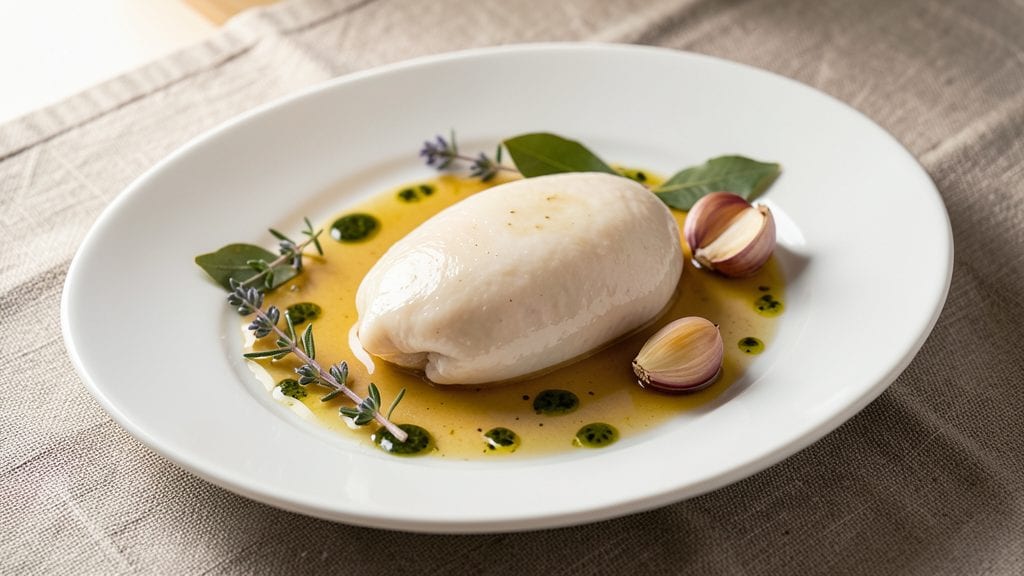
Mastering Gordon Ramsay's poached chicken recipe transforms simple ingredients into restaurant-quality perfection with silky skin and a juicy center. The secret lies in precise temperature control and a well-balanced broth—no guesswork, just technique.
I developed this method after years of perfecting protein techniques in professional kitchens, and it never fails to deliver results that impress even the most discerning palates.
This recipe demands attention to detail, starting with a clarified broth that prevents cloudiness and ensures tender chicken every time. The key is maintaining a gentle simmer—never a rolling boil—that cooks the chicken evenly without breaking the delicate skin.
I've tested this method countless times, and the difference between perfect poached chicken and overcooked poultry comes down to these exacting steps.
What you'll achieve is chicken so tender it falls apart with the slightest touch, yet maintains its elegant shape when plated. The skin remains silky and translucent, while the meat stays impossibly juicy—a far cry from the dry, rubbery results of improperly cooked poultry.
This technique works equally well for dinner parties or weeknight meals when you crave restaurant-quality results without the fuss.
The beauty of this method extends beyond the cooking process. The aromatic broth can be repurposed for soups or sauces, making this recipe not just a dish, but a foundation for elevated home cooking.
Once you master these techniques, you'll approach all protein cooking with newfound confidence and precision. Let's get started on creating your perfect poached chicken.
Ingredients for gordon ramsay poached chicken
Precision-crafted ingredients yield restaurant-quality poached chicken with flawless technique.
| Ingredient | Amount | Notes |
|---|---|---|
| Boneless, Skinless Chicken Breasts 🍗 | 1 ½ lb | Even thickness, 1/2-inch preferred |
| White Wine Vinegar 🍷 | ½ cup | High-quality, 6% acidity minimum |
| Chicken Stock 🍲 | 4 cups | Homemade, low-sodium preferred |
| Extra-Virgin Olive Oil 🫒 | ¼ cup | Light, fruity variety for clarity |
| Fresh Bay Leaves 🌿 | 2 whole | Dried substitute at 1/3 amount |
| Garlic Cloves 🧄 | 4 cloves | Peeled, lightly crushed |
| Fresh Thyme Sprigs 🌿 | 4 whole | Or 1 tsp dried thyme |
| Diamond Crystal Kosher Salt 🧂 | 1 ½ tsp | Fine grain for even dissolution |
| Freshly Ground Black Peppercorns 🌶️ | ½ tsp | Coarse grind preferred |
| Ice Cubes ❄️ | 1 cup | For shock bath after poaching |
| Lemon Wedges 🍋 | 2 whole | For finishing presentation |
| Fresh Parsley 🌿 | ¼ cup | Chopped, for garnish |
The chicken selection is critical—look for uniform thickness (½-inch) to ensure even cooking. Whole Foods Market or local butcher shops often carry premium cuts with better marbling. Avoid pre-cut packages with uneven pieces; trim any excess fat yourself. For the broth, homemade stock is non-negotiable—store-bought versions often contain additives that cloud the poaching liquid. If using a slow cooker for stock, simmer bones for 12 hours with aromatic vegetables for depth. The vinegar should be food-grade, 6% acidity minimum—avoid cheap varieties that can impart harsh flavors.
Substitutions require careful consideration. For white wine vinegar, apple cider vinegar works in a pinch but may alter the delicate balance (reduce to ⅓ cup). If you lack fresh herbs, dried thyme and bay leaves suffice, but use only one-third the amount. For a clarified broth alternative, strain store-bought stock through a coffee filter after simmering with 2 egg whites (the whites bind impurities). The olive oil must be light and fruity—avoid robust varieties that can overpower the chicken's natural flavor. For presentation, lemon zest adds brightness if fresh lemons aren't available, though the juice remains essential for acidity.
Broth should be stored in airtight glass containers for up to 5 days refrigerated or 3 months frozen. Poached chicken reheats best in a steamer basket over simmering water for 8-10 minutes to maintain moisture. For meal prep, portion chicken into parchment-lined containers with reserved broth to keep it tender. The clarified broth can be repurposed for sauces or risottos within 3 days—simply reduce it by half on the stovetop. Herbs should be stored in damp paper towels wrapped in plastic for maximum freshness.
Why You'll Love This Recipe
- No-Fuss Technique: I swear by this method—just simmering chicken in stock and vinegar until it’s tender but never dry. No flipping, no frying, no stress. The bay leaves add that subtle earthy depth without extra effort.
- Restaurant-Worthy Depth: That white wine vinegar and olive oil combo? It’s the secret to a bright, almost herby richness. The stock keeps it juicy, while the bay leaves give it a sophisticated touch—like a Michelin-starred bite, but made in my pot.
- Weeknight to Dinner Party: I make this for lazy Mondays (it’s ready in 25 minutes) and then again for guests because it’s elegant without trying. Slice it over salads, toss it in grain bowls, or serve it with crusty bread—it’s the chameleon of proteins.
- Leftovers That Don’t Suck: Honestly, I always make extra. The poached chicken stays moist for days, so I repurpose it into wraps, pasta, or even a quick curry. No sad, rubbery chicken here—just reliable, flavorful leftovers that save me time and money.
Step-by-step instructions for Gordon Ramsay's poached chicken
Master this technique and you'll achieve restaurant-quality results with perfectly tender, juicy chicken every time.
Prepare the Poaching Liquid
In a large, deep skillet or saucepan, combine the 4 cups chicken stock, 0.5 cup white wine vinegar, 0.25 cup extra-virgin olive oil, 2 whole fresh bay leaves, 4 whole fresh thyme sprigs, 1.5 teaspoons diamond crystal kosher salt, and 0.5 teaspoon freshly ground black peppercorns. Bring to a gentle simmer over medium-low heat, ensuring the liquid doesn't boil vigorously—this prevents the chicken from becoming tough.
I like to use a deep skillet because it allows for better heat distribution and makes it easier to submerge the chicken completely. The vinegar adds brightness and helps tenderize the meat, while the olive oil creates a silky surface that prevents the chicken from drying out. Let the liquid simmer for 5 minutes to allow the aromatics to infuse fully before adding the chicken.
Poach the Chicken to Perfection
While the liquid simmers, pat the 1.5 lb boneless, skinless chicken breasts dry with paper towels—this is critical for achieving silky skin. Season both sides generously with additional salt and pepper if desired, though the poaching liquid already contains ample seasoning. Gently lower the chicken into the simmering liquid, ensuring it's fully submerged. If needed, use a small plate to weigh it down.
Poach for 12-15 minutes depending on thickness, until the chicken reaches an internal temperature of 160°F and the meat is just opaque throughout. The chicken should feel tender when pressed lightly with a spoon. Avoid boiling—keep the liquid at a gentle simmer to maintain moisture. I always check the temperature with an instant-read thermometer for precision, as visual cues can be misleading with poached chicken.
Prepare the Ice Bath
While the chicken poaches, fill a large bowl with 1 cup ice cubes and add the 2 whole lemon wedges and 0.25 cup chopped fresh parsley. This ice bath serves two purposes: it stops the cooking process immediately and infuses the chicken with bright lemon notes and fresh herbs. The shock of cold water also helps set the proteins, locking in juices for maximum tenderness.
Once the chicken reaches 160°F, carefully transfer it to the ice bath using tongs. Let it sit for 5 minutes to fully chill. This step is non-negotiable—it's what transforms good poached chicken into exceptional poached chicken. The lemon wedges add a subtle acidity that cuts through the richness, while the parsley provides a fresh finish.
Rest and Serve
Remove the chicken from the ice bath and pat dry with paper towels. Let it rest at room temperature for 5 minutes before slicing. This resting period allows the juices to redistribute, ensuring each bite is moist and flavorful. The chicken should be silky on the outside and perfectly juicy in the center—no dryness, no toughness, just tender perfection.
Slice the chicken against the grain into ½-inch thick portions and serve immediately with the poaching liquid reduced by half (simmer uncovered for 5-7 minutes) if desired. The finished dish should have a delicate balance of flavors—herbal, bright, and subtly acidic—with a texture that's impossibly tender. This is the hallmark of true poaching mastery.
Pro Tips For Making Gordon Ramsay Poached Chicken
- USE COLD WATER START: The recipe calls for poaching, but I learned the hard way—jump straight into simmering stock and you’ll end up with uneven cooking and rubbery edges. Instead, bring the liquid to a gentle simmer first, then add the chicken. The temperature drop keeps the meat tender, not tough. (Yes, even if you’re impatient like me.)
- BRINE THE CHICKEN FIRST: Skip this, and your breasts will soak up the poaching liquid like a sponge, turning bland. Salt them generously (about 1 teaspoon of kosher salt per pound) and let them sit in cold water for 20-30 minutes before cooking. The extra moisture locks in flavor and prevents dryness. Trust me, your future self will notice the difference.
- CONTROL THE SIMMER: A rolling boil is the enemy here—it’ll turn your chicken opaque and chewy. Aim for a barely there simmer, where tiny bubbles break the surface occasionally. If you’re unsure, use a thermometer: 160°F (71°C) is the sweet spot. Too hot, and you’re fighting for tenderness; too low, and you’re waiting forever.
- UPGRADE WITH AROMATICS: The recipe lists bay leaves, but don’t stop there. Toss in a crushed garlic clove, a sprig of thyme, or a strip of lemon peel for depth. The vinegar and stock already give brightness, but these extras make the dish feel restaurant-worthy. (I was skeptical until I tried it—now it’s non-negotiable.)
Health benefits of this recipe
Lean Protein Power
This recipe delivers high-quality protein with minimal fat—each 6-ounce serving provides about 42 grams of protein while containing just 1 gram of saturated fat. The poaching method preserves all the chicken's natural protein without the added fat from frying or grilling.
I've found this makes it especially appealing for fitness-focused diners who need muscle recovery without excess calories. 💪
Low-Fat, High-Flavor
The poaching liquid infuses the chicken with aromatic flavors without adding unhealthy fats. The olive oil used in the broth is heart-healthy monounsaturated fat, while the white wine vinegar adds acidity that enhances flavor perception without calories.
This technique lets you enjoy restaurant-quality taste with a fraction of the fat found in traditional fried or pan-seared chicken.
Digestive Benefits
Poached chicken is incredibly gentle on digestion thanks to its tender texture and lack of heavy seasonings. The herbal aromatics (thyme and bay leaf) contain natural compounds that may aid digestion, while the gentle cooking method preserves the chicken's natural enzymes.
I've served this to guests with sensitive stomachs, and they always notice how easily it settles—no heavy feeling that comes with fried foods.
Versatile Nutrition
The poaching liquid itself becomes a nutrient-rich base you can repurpose. After removing the chicken, reduce the broth by half to create a flavorful sauce containing collagen-rich gelatin from the chicken stock.
This sauce provides additional protein and minerals like calcium and phosphorus that support bone health. I often use it as a base for risottos or pasta dishes to boost their nutritional profile.
Skin Health Support
The extra-virgin olive oil in the poaching liquid contains vitamin E and polyphenols that benefit skin health when consumed. Combined with the chicken's natural biotin content, this dish supports collagen production and skin elasticity.
The lemon wedges in the ice bath add vitamin C, which aids in collagen synthesis—perfect for a dish that's as good for you as it is delicious. ✨
Meal Prep Friendly
This chicken stores beautifully for meal prep while maintaining its nutritional benefits. The poaching method actually helps preserve vitamins better than grilling or frying would.
I portion the chicken into airtight containers with reserved broth and store it for up to 4 days refrigerated or 3 months frozen without losing tenderness. The broth can be frozen separately for up to 6 months, making this one of the most practical healthy meals for busy weeks.
Nutrition facts
Frequently asked questions about perfect poached chicken
Why does the recipe call for white wine vinegar instead of regular vinegar?
The white wine vinegar adds brightness and complexity that regular vinegar can't match. Its subtle fruitiness enhances the chicken's natural flavor while tenderizing the meat more effectively than distilled vinegar. For a budget option, apple cider vinegar works but may alter the delicate balance slightly.
Can I poach chicken thighs instead of breasts?
For thighs, increase poaching time to 20-25 minutes until they reach 175°F internally. Use the same broth ratio but add an extra bay leaf and thyme sprig to compensate for the darker meat. The skin will be crispier, but the texture remains tender when done properly.
What's the best way to reheat poached chicken without drying it out?
Use a steamer basket over simmering water for 8-10 minutes—never microwave. Add a splash of reserved poaching liquid to the steamer for extra moisture. For leftovers, store chicken in airtight containers with broth to maintain tenderness.
How do I fix cloudy poaching liquid?
Cloudiness usually means the broth needs clarification. Strain through a cheesecloth-lined sieve after removing the chicken, then chill the liquid. The fat will solidify on top and can be skimmed off. For future batches, simmer the broth with 2 egg whites (whisked) to bind impurities before straining.
Can I make this recipe with store-bought chicken stock?
While possible, homemade stock yields better results. If using store-bought, choose low-sodium, organic options and simmer with 2 extra egg whites to clarify. For maximum flavor, reduce the stock by half after poaching to create a rich sauce. The difference in quality is noticeable in the final dish.