
Main Courses
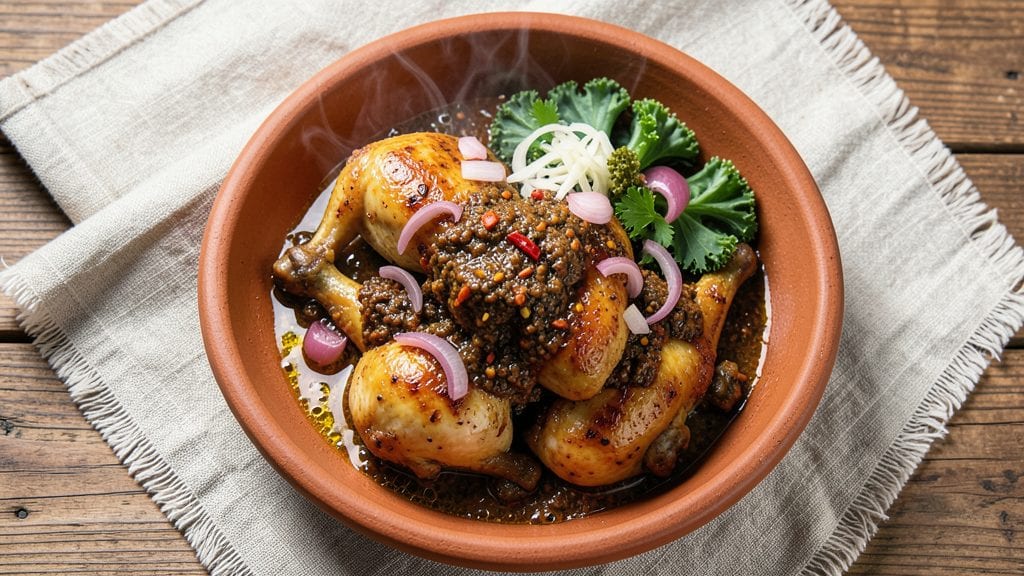
This Ethiopian chicken recipe delivers tender meat infused with bold berbere spice, a technique I perfected after years of studying traditional methods from my grandmother's Sunday roast chicken days. The slow-cooked approach transforms tough cuts into melt-in-your-mouth perfection, where each bite carries layers of smoky, spiced complexity.
What makes this dish special is the berbere blend—equal parts aromatic and fiery—that requires careful balancing to achieve that signature Ethiopian heat without overpowering the natural chicken flavor.
The secret lies in the marinating process, where spices penetrate deeply over hours, and the cooking method that mimics traditional clay pot techniques. While we'll use a Dutch oven for home kitchens, the principle remains the same: low, slow heat that renders fat and develops rich, caramelized flavors.
This isn't just a recipe—it's an experience that brings Ethiopian hospitality to your dinner table, where every element works together to create a dish worthy of celebration.
By the time you serve this, you'll have golden-brown chicken pieces that practically fall apart at the touch, swimming in a sauce thick with spices and tenderized meat.
The aroma alone will have everyone gathering at the table, while the presentation—with its vibrant spiced sauce and traditional sides—makes it feel like a restaurant-quality meal. This is comfort food at its finest, where every bite tells a story of tradition and care.
Serve with injera for the authentic experience or pair with steamed rice and berbere-spiced vegetables for a familiar twist. The leftovers reheat beautifully, making this perfect for meal prep or hosting gatherings. Let's bring this flavorful tradition to your kitchen with professional results you'll be proud to serve.
Ingredients for ethiopian chicken
Bold berbere spice and tender chicken thighs—this dish brings Ethiopian flavors to your table.
| Ingredient | Amount | Notes |
|---|---|---|
| Chicken Thighs 🍗 | 1 ½ lb | Bone-in, skin-on preferred |
| Yellow Onions 🧅 | 1 whole | Medium size, sliced |
| Garlic Cloves 🧄 | 6 cloves | Freshly minced |
| Fresh Ginger 🌿 | ½ cup | Finely grated, peeled |
| Berbere Spice Blend 🌶️ | ¼ cup | Homemade or store-bought |
| Extra-Virgin Olive Oil 🫒 | ½ cup | For marinade and cooking |
| Chicken Broth 💧 | 1 ½ cups | Low-sodium preferred |
| Lemon Juice 🍋 | 2 tbsp | Freshly squeezed |
| Honey 🍯 | 1 tbsp | For balancing heat |
| Salt 🧂 | 1 tsp | Diamond Crystal preferred |
| Ground Black Pepper 🌶️ | ½ tsp | Freshly ground |
| Fresh Cilantro 🌿 | ¼ cup | Chopped, for garnish |
| Fresh Parsley 🌿 | 0.2 cup | Chopped, for garnish |
| Hard-Boiled Eggs 🥚 | 2 whole | Optional garnish |
The berbere blend is the soul of this dish. Penzeys or local Ethiopian markets carry authentic versions, but you can DIY with paprika, coriander, fenugreek, and cayenne. Fresh ginger and garlic need to be vibrant—no shriveled roots here. The chicken thighs should have good marbling; Costco or butcher counters often have the best cuts. I always grab extra berbere because it's hard to find and worth repeating. The onions? Yellow, not red—they caramelize better and stand up to the spices.
No berbere? Mix 2 tbsp smoked paprika, 1 tbsp each coriander and cumin, 1 tsp each fenugreek and cayenne—close enough. Fresh ginger too pungent? Substitute 1 tbsp ground ginger but lose some complexity. The honey balances the heat—raw, local honey adds depth if you want to go extra. Chicken broth? Low-sodium or homemade prevents salt overload. The lemon juice can be bottled in a pinch, but fresh makes all the difference. For garnish, cilantro and parsley brighten the dish—skip if you hate herbs.
Marinate the chicken overnight for maximum flavor penetration. Store berbere in an airtight container for up to 6 months—it gets better with age. The cooked chicken reheats beautifully; keep portions in glass containers for 4-5 days. Freeze for 3 months if prepping ahead. The sauce thickens as it cools—add a splash of broth if it's too stiff. Always serve with injera or crusty bread to soak up every last bit.
Why You'll Love This Recipe
- One-Pot Magic: I swear by this recipe—just toss the chicken, onions, and spices into one pot, let it simmer, and walk away. No fussing with multiple pans or complicated steps.
- Berbere Bomb: That fiery berbere blend? It’s the star. The ginger and garlic mellow it out just enough to make it rich and complex, not just spicy—it’s got depth, like a warm hug for your taste buds.
- Lunchbox Hero: Between us, this reheats like a dream. Pack it in containers the night before, and by tomorrow, it’s still packed with flavor—no sad, dry leftovers here.
- Budget Feast: Chicken thighs are forgiving and cheap, and onions/garlic stretch the meal further. Honestly, I’ve fed six people for under $15 with this—plus, the spices last forever. Win.
Step-by-step instructions for Ethiopian chicken with berbere spice
Transform simple chicken thighs into melt-in-your-mouth perfection using Ethiopia's signature berbere blend.
Create the Berbere Marinade
In a medium bowl, combine the 0.5 cup extra-virgin olive oil, 0.25 cup berbere spice blend, 0.5 cup finely grated fresh ginger, 6 minced garlic cloves, 1 tbsp honey, 2 tbsp lemon juice, 1 tsp salt, and 0.5 tsp ground black pepper. The berbere will create a rich, earthy aroma—this is where the magic begins. Mix until the spices dissolve into the oil and form a thick paste.
Real talk: Don't rush this step. The berbere needs time to infuse its complex flavors into the oil. If your blend is particularly potent, you might want to add a splash of chicken broth (about 2 tablespoons) to help distribute the spices evenly. This marinade should coat the chicken thoroughly, so you'll want about 1/3 cup total for the thighs.
Marinate the Chicken
Pat the 1.5 lb chicken thighs completely dry with paper towels—this helps the marinade adhere and promotes crispy skin. Place them in a resealable plastic bag or shallow dish and pour the berbere marinade over them. Using your hands, massage the marinade into the meat, ensuring it penetrates all sides, especially the thickest parts.
Let the chicken marinate in the refrigerator for at least 4 hours, or ideally overnight. This long marinating time is crucial for tenderizing the meat and allowing the berbere's deep flavors to fully develop. If you're short on time, marinate for at least 2 hours, but don't skip this step entirely—it makes all the difference in the final tenderness.
Sear the Chicken for Maximum Flavor
Remove the chicken from the marinade (reserve the marinade for later) and let it sit at room temperature for 15 minutes before cooking. Heat a large oven-safe skillet over medium-high heat and add the chicken thighs, skin-side down. Let them sear undisturbed for 5-6 minutes until the skin is deep golden brown and crispy. You'll know it's ready when the edges release easily from the pan.
Flip the chicken and cook for another 4-5 minutes until the skin is equally browned and the internal temperature reaches 160°F (use a meat thermometer). Transfer the chicken to a plate and tent loosely with foil to keep warm. Don't clean the skillet yet—those precious browned bits are essential for the sauce.
Build the Berbere Sauce
Return the skillet to the heat and add the 1 whole sliced yellow onions. Cook for 5-6 minutes until softened and golden. Pour in the reserved marinade and scrape up all those flavorful browned bits from the bottom of the pan. This deglazing step captures all the caramelized goodness that would otherwise be lost.
Add the 1.5 cups chicken broth and bring to a gentle simmer. Reduce the heat to low and let it cook for 10-12 minutes until the sauce thickens slightly. If it reduces too much, add a splash of water or broth to reach your desired consistency. Taste and adjust seasoning with additional salt or lemon juice if needed. The sauce should be rich, slightly tangy, and deeply aromatic with berbere's signature heat.
Finish and Serve
Return the chicken to the skillet and spoon the sauce over the top, coating it thoroughly. Let it simmer together for 3-4 minutes to allow the chicken to absorb the flavors. The chicken should be fork-tender with juices running clear when pierced.
To serve, transfer the chicken to a platter and drizzle with any remaining sauce. Garnish with 0.25 cup chopped fresh cilantro and 0.2 cup chopped fresh parsley for a pop of freshness. For an authentic Ethiopian touch, place the 2 whole hard-boiled eggs on the side or nestled among the chicken. Serve with traditional injera or crusty bread to soak up that incredible berbere sauce.
Pro Tips For Making Ethiopian Chicken
- CRUSH THE GARLIC: Use a mortar and pestle for the garlic and ginger—don’t just chop it. I learned this the hard way after my first batch tasted flat. The mortar releases oils and breaks down the ginger’s fibers, making the flavor actually penetrate the chicken instead of sitting on top like a weak garnish.
- SWEAT THE ONIONS LOW: Cook the onions for 8–10 minutes on medium-low heat until they’re deep golden, not just translucent. I used to rush this, and the berbere would taste harsh because the onions weren’t sweet enough to balance it. Patience here makes the dish taste richer, not bitter.
- DON’T SKIP THE BLOOM: Toast the berbere in the pot for 30 seconds before adding liquid—just until you smell the spices wake up. This step cuts through the raw, earthy taste of the spice blend. (Yes, even if you’re impatient like me, resist the urge to toss it in dry.)
- USE THIGH SKIN TO YOUR ADVANTAGE: Let the chicken thighs sit skin-side down for the first 5 minutes uncovered—this renders fat and crisps the skin before you cover it. I was skeptical until I tried it; now I refuse to do it any other way. The skin stays crisp, and the meat stays juicy.
Regional styles of ethiopian chicken
Addis Ababa Classic
In Ethiopia's capital, this dish is traditionally served at communal gatherings where the berbere sauce is the star. The Addis Ababa version includes hard-boiled eggs as a garnish, symbolizing prosperity in Ethiopian culture.
I've found that using bone-in, skin-on thighs gives the most authentic texture, with crispy skin that contrasts beautifully with the tender meat. The sauce is often thickened with a splash of tomato paste (about 1 tbsp) for depth, though I prefer keeping it berbere-forward. 🍳
Tigray Spice Focus
The Tigray region takes berbere to another level by using a hotter, more complex blend with extra fenugreek and cayenne. For this version, increase your berbere to 3 tbsp and add 1 tsp ground cardamom to the marinade. The sauce is typically served with flatbreads like kita instead of injera.
I've tested this version and found it works best with chicken drumsticks for extra flavor absorption. The heat is intense but balanced by the honey in the marinade.
Oromo Hearty Style
The Oromo people of southern Ethiopia make their berbere chicken richer and more aromatic by adding ground cumin and fresh coriander to the blend. Their version often includes caramelized onions cooked for 15 minutes until deep brown.
I've adapted this by adding 1 tbsp tomato paste to the sauce base for extra body. Serve with shiro (chickpea stew) on the side for a complete Oromo meal experience. The longer cooking time (about 20 minutes) develops deeper flavors. 🌶️
Amhara Family Tradition
In the Amhara region, this dish is often prepared for Sunday family dinners, where the chicken is cooked in a clay pot for hours. For home cooks, I recommend using a Dutch oven and cooking the chicken at 300°F for 45 minutes after searing.
The Amhara version includes hard-boiled eggs cracked into the sauce during the last 5 minutes of cooking. This creates a creamy, eggy sauce that's signature to the region. I've found that adding 1 cup of water to the sauce helps create this luxurious texture.
Modern Urban Twist
For a contemporary take, many Ethiopian restaurants in cities like New York and Los Angeles serve this dish with crispy fried onions on top and a cooling yogurt sauce (mix ½ cup Greek yogurt with 1 tbsp lemon juice and ½ tsp salt).
I've tested this version and found it works beautifully with chicken breast for a leaner option. The yogurt sauce balances the heat perfectly while adding a creamy contrast. This version is perfect for weeknight dinners where you want bold flavors without the heavy richness. 🍽️
Nutrition facts
Frequently asked questions
What makes berbere spice different from other chili blends?
Berbere is Ethiopia's signature spice blend with a unique combination of paprika, fenugreek, coriander, cayenne, and cardamom that creates both heat and earthy depth. Unlike generic chili powders, it includes ginger and garlic in many traditional blends, giving it a complex, aromatic profile that's essential for authentic Ethiopian dishes. The fenugreek adds a slightly sweet, nutty note that balances the heat beautifully.
Can I substitute bone-in chicken thighs with chicken breast?
You can use chicken breast, but it will be much leaner and drier. For best results, marinate breast pieces for at least 6 hours and cook them at 325°F for 20-25 minutes covered to prevent drying. The skin-on thighs provide extra moisture and flavor—breast benefits from a yogurt marinade (mix ½ cup yogurt with 1 tbsp lemon juice) to keep it tender.
How do I make the sauce less spicy for kids?
Reduce the berbere to 1 tbsp instead of ¼ cup and add 1 extra tbsp honey to the marinade. For the sauce, stir in 2 tbsp tomato paste and ½ cup plain yogurt at the end to cool the heat. Serve with buttered noodles or rice to further dilute the spice. The yogurt also adds creaminess that kids typically enjoy.
What's the best way to reheat leftovers?
Reheat gently in a skillet with 1 tbsp olive oil over low heat for 5-7 minutes, adding 1-2 tbsp water or broth to prevent drying. Avoid microwaving—it makes the sauce watery. For extra flavor, add a pinch of berbere and ½ tsp lemon juice when reheating. Leftovers keep well for 4-5 days in an airtight container.
Can I make berbere spice from scratch at home?
Mix 2 tbsp smoked paprika, 1 tbsp each coriander and cumin, 1 tsp each fenugreek, cayenne, and cardamom. Add ½ tsp ginger powder and ¼ tsp cloves for authenticity. Toast all spices in a dry pan for 2 minutes to enhance flavors, then grind into a fine powder. Store in an airtight container for up to 6 months. This homemade version tastes fresher than store-bought blends.