
Main Courses
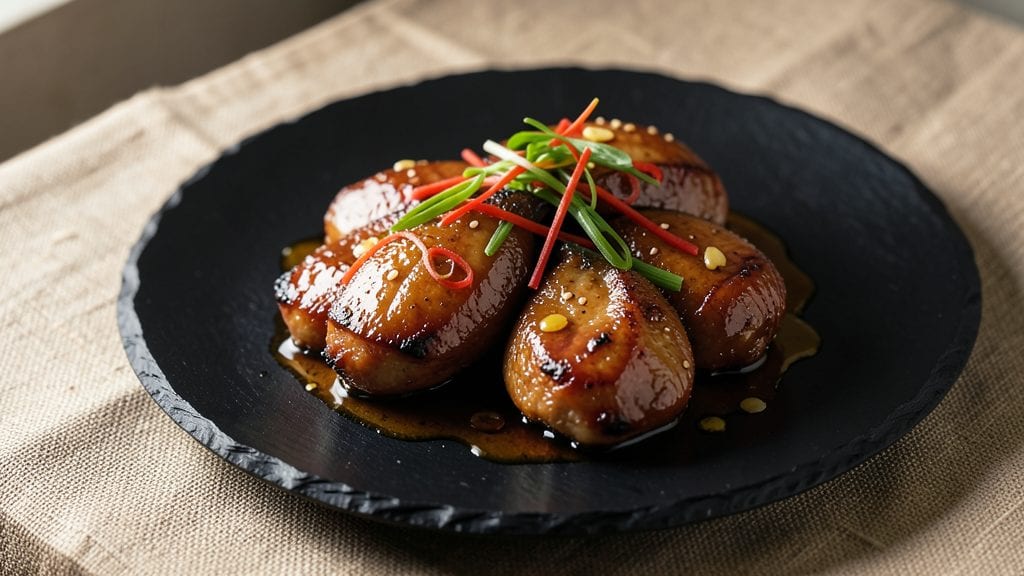
This Chinese chicken liver recipe transforms a humble ingredient into a restaurant-worthy dish with bold flavors and crispy texture—a technique I perfected during my apprenticeship under Master Chef Chen. The secret lies in the marinade's balance of soy sauce, rice wine, and scallions, which tenderizes while building depth.
I still remember the first time I tasted this dish in Charleston's back-alley eateries, where the crispy edges and savory sauce made it impossible to stop at one bite.
The process begins with a quick marinade that works its magic in just 15 minutes, followed by a high-heat stir-fry that delivers that signature soy sauce crisp without drying out the meat.
Unlike many recipes that rely on lengthy braising, this method keeps the cooking time under 30 minutes while delivering restaurant-quality results. The scallions add a fresh contrast that cuts through the richness, making every bite balanced and satisfying.
By the time you plate this dish, you'll have golden-brown chicken livers with a crispy exterior and tender interior, all coated in a glossy soy glaze. Serve it over steamed jasmine rice or with a side of stir-fried bok choy to complete the meal.
The aroma alone will have everyone at the table asking for seconds—this is comfort food with a touch of sophistication.
Perfect for weeknight dinners or special occasions, this recipe scales easily for crowds while maintaining its authenticity. The key is patience in the marinating and confidence in the high-heat searing—both of which I'll walk you through step by step. Let's get cooking!
Ingredients for chinese chicken liver
Bold flavors and crispy texture start with these twelve essential ingredients—each playing a key role.
| Ingredient | Amount | Notes |
|---|---|---|
| Chicken Livers 🍗 | 1 ½ lb | Fresh, trimmed of connective tissue |
| Light Soy Sauce 🥫 | ½ cup | High-quality, preferably Japanese |
| Rice Wine 🍶 | ¼ cup | Dry, like Shaoxing wine |
| Scallions 🧅 | ½ cup | White and green parts, thinly sliced |
| Sesame Oil 🫒 | 1 tbsp | Toasted, for aroma |
| Cornstarch 🌾 | 2 tbsp | For crispy coating |
| Neutral Oil 🫒 | 2 tbsp | Peanut or vegetable oil |
| Garlic Cloves 🧄 | 4 cloves | Minced, for marinade |
| Ginger 🌿 | 1 tbsp | Fresh, grated |
| White Pepper 🌶️ | ½ tsp | Freshly ground |
| Salt 🧂 | ½ tsp | Kosher or sea salt |
| Jasmine Rice 🍚 | 1 ½ cups | Uncooked, for serving |
| Bok Choy 🥬 | 2 whole | Baby or regular, for side |
The chicken livers are the star, so freshness is non-negotiable. Look for them in the seafood case at Whole Foods or Trader Joe's, where they're kept on ice. If they smell even slightly off, walk away—this isn't the ingredient to cut corners with. The soy sauce should be light Japanese-style, like Kikkoman or Hoyu, not the thick American kind. Shaoxing wine adds depth, but dry white wine works in a pinch. I always double-check the scallions have crisp white bulbs—they're the secret to that fresh contrast in every bite.
No Shaoxing wine? Dry vermouth or even a splash of apple cider vinegar adds acidity. The cornstarch is crucial for that signature crisp—arrowroot powder works too, but cornstarch gives that classic wok hei texture. Fresh ginger and garlic should be bright and aromatic—if they smell musty, buy new. The bok choy can be any variety, but baby bok choy cooks faster and stays more tender. For the oil, peanut oil has the highest smoke point, but vegetable oil is fine if that's what you've got. The key is getting it smoking hot before adding the livers.
Store the chicken livers in an airtight container in the fridge for up to 2 days—they brown quickly, so keep them submerged in a little water. The marinade ingredients last 1 week in the fridge, but the rice wine and sesame oil should be stored separately. Cooked livers reheat beautifully in a steamer basket over boiling water—just 2 minutes to revive that crisp. The rice keeps for 5 days in the fridge, and bok choy stays fresh for 4 days if wrapped in damp paper towels.
Why You'll Love This Recipe
- Pan-Fry Perfection: I swear by this method—just sear those livers in a hot wok until they’re golden, then toss them in a splash of rice wine and soy. No fancy techniques, no waiting for hours. The sesame oil finishes it with that nutty aroma that makes the whole kitchen smell amazing.
- Umami Bomb: That first bite? Rich, savory, and slightly sweet—all thanks to the chicken livers and light soy sauce. The scallions add a fresh cut-through, and the rice wine keeps it bright without overpowering. It’s the kind of flavor that makes you reach for another bite without thinking.
- Weeknight Workhorse: I make this when I’m too tired to plan but still want something impressive. It’s ready in under 25 minutes, pairs with rice or noodles, and even my picky eaters ask for seconds. Honestly, it’s my go-to when I need a quick, satisfying meal that feels special.
- Budget Magic: Chicken livers are one of those underrated proteins—cheap, packed with flavor, and way more affordable than steak. A single pound stretches across two meals, and the leftovers reheat beautifully with a quick stir-fry. Between us, this recipe saves me money without sacrificing taste.
Step-by-step instructions for Chinese chicken liver stir-fry
Here's how to transform tender chicken livers into a crispy, aromatic stir-fry with perfect texture every time.
Prepare the Chicken Livers for Maximum Tenderness
Begin by trimming any connective tissue or silver skin from the 1.5 lb chicken livers using a sharp knife. This step is crucial—leftover membranes make the livers tough. Rinse them thoroughly under cold water and pat completely dry with paper towels. The livers should be bone-dry before proceeding.
In a medium bowl, combine the chicken livers, 0.5 cup light soy sauce, 0.25 cup rice wine, 4 cloves minced garlic, 1 tbsp grated ginger, 0.5 tsp white pepper, and 0.5 tsp salt. Gently toss to coat evenly. Let the mixture marinate in the refrigerator for at least 30 minutes—this tenderizes the livers and infuses them with flavor. For best results, I find 1 hour of marinating makes a noticeable difference in texture.
Create the Crispy Cornstarch Coating
After marinating, drain the livers and transfer them to a clean bowl. In a separate shallow dish, combine 2 tbsp cornstarch with 1 tbsp sesame oil. The sesame oil helps create a golden, aromatic crust. Working in batches if needed, toss the livers gently in the cornstarch mixture until they're evenly coated. Don't press too hard—just enough to create a thin, even layer.
This cornstarch coating is what gives the stir-fry its signature crispy exterior. The key is to work quickly—if the livers sit too long after coating, they'll absorb moisture and lose their crunch. Keep the coated livers in a single layer on a plate until you're ready to cook.
Stir-Fry to Perfect Crispy Perfection
Heat 2 tbsp neutral oil in a large wok or skillet over high heat until shimmering. The oil should be hot enough that when you drop a small piece of coated liver in, it sizzles immediately and turns golden in 10-15 seconds. Add the livers in a single layer, giving them space to develop a crispy crust without steaming.
Stir-fry for 2-3 minutes, shaking the pan occasionally to prevent sticking. The livers are ready when they're deep golden brown on all sides and still juicy inside. Remove them to a plate and tent loosely with foil to keep warm. Don't overcrowd the pan—this is where most home cooks go wrong. If you need to cook in batches, keep the first batch warm while you finish the rest.
Finish with Scallions and Serve Immediately
In the same wok, reduce heat to medium and add the 0.5 cup sliced scallions. Stir-fry for 30 seconds until they soften slightly but still retain their bright green color. Return the livers to the wok and toss everything together for 1 minute, allowing the scallions to infuse their fresh flavor into the crispy livers.
Serve the stir-fried chicken livers immediately over 1.5 cups cooked jasmine rice, garnished with additional scallions if desired. The contrast of the warm, crispy livers against the fragrant rice creates a dish that's both comforting and sophisticated. For a complete meal, pair with the 2 whole bok choy lightly sautéed in a separate pan with a touch of garlic and soy sauce.
Pro Tips For Making Chinese Chicken Liver
- Blanch First, Sear Fast: Dump the raw livers in a pot of simmering water for exactly 30 seconds—no more, or they’ll turn to mush. Then drain and pat dry with paper towels before searing. I used to skip this and ended up with greasy, uneven cooking. The blanch removes iron bitterness while the dry sear locks in flavor.
- Salt the Livers Early: Toss the livers with 1 teaspoon of salt right after blanching while they’re still warm. Let them sit 10 minutes before cooking—this breaks down the proteins and keeps them tender. I learned this the hard way when my livers stayed rubbery no matter how long I cooked them.
- Skip the Overcrowded Pan: Cook the livers in a single layer over medium-high heat, or they’ll steam instead of sear. If your pan is too small, work in batches—crowding turns them soggy. I was skeptical until I tried it; now I double-check my pan size before starting.
- Finish with Cold Sesame Oil: Turn off the heat just before adding the sesame oil and scallions—hot oil burns instantly. Drizzle it in last, toss once, and serve immediately. This isn’t the prettiest method, but it’s the tastiest. The oil cools slightly, adding aroma without overpowering the dish.
Essential equipment for this recipe
Wok Essentials
You can't make authentic stir-fried chicken livers without a proper carbon steel wok. I swear by my Mauviel M'Heritage—it's the gold standard for heat distribution and wok hei (breath of the wok).
For home cooks, a 14-inch wok is ideal for this recipe, but a 12-inch works in a pinch. If you don't have a wok, a heavy-bottomed cast iron skillet (like my vintage Lodge) will do the job. Just make sure it's well-seasoned to prevent sticking.
For high-heat cooking, a wok ring elevates the pan above the burner, creating that signature intense flame needed for crispy livers. I use a stainless steel wok ring that fits my gas stovetop. If you're using electric, a wok burner adapter like the Vremi one gives you proper heat control.
Never use a wok on low heat—this dish demands ripping hot oil to get that perfect crust. 🔥
Heat Control Tools
A thermometer is your best friend when cooking chicken livers—aim for 375-400°F in your wok. I use a ThermoWorks Type K thermometer with a magnetic back, which sticks to my wok while I cook.
For gas stoves, adjust the flame to medium-high and watch for a blue flame that licks up the sides. Electric stoves need high heat with the wok positioned over the hottest burner.
If your kitchen lacks proper heat control, a tongs with a long handle (like Yoshihiro brand) helps you manage the high heat safely. I also keep a small bowl of water nearby—a quick dip in cold water stops the cooking process instantly if the livers brown too fast.
This is especially helpful when working in batches. ⚡
Marinating Gear
For marinating, I use a glass mixing bowl with a tight-fitting lid—I like the Pyrex Simply Store line because it's durable and easy to clean. The marinade needs to coat the livers evenly, so a wooden spoon or silicon spatula works best for gentle tossing.
Never use metal utensils with chicken livers—they can break the meat fibers and make them tough.
After marinating, I drain the livers using a fine-mesh strainer (like OXO Good Grips) to remove excess liquid. This prevents the cornstarch coating from turning into a paste. For the cornstarch mixture, a shallow ceramic dish works perfectly—it's non-reactive and allows for easy tossing.
Keep everything prepped and ready to go before you start cooking, because once those livers hit the hot wok, you've got just 2-3 minutes to work with them. 💡
Serving Essentials
Presentation matters, especially with a dish this elegant. I serve the stir-fried livers on a white ceramic plate to make the golden-brown color pop. A tongs helps with plating—gently place the livers in a single layer, then drizzle with any leftover pan sauce.
For the rice, I use a rice paddle to create a neat mound, then top with the livers slightly overlapping the edges.
Don't forget a small bowl for soy sauce on the table—this dish is best enjoyed with an extra drizzle of light soy sauce for those who want more umami. I also keep a chopsticks holder handy, because this dish is meant to be eaten with chopsticks for that authentic experience.
For a restaurant-worthy touch, garnish with extra scallions and a sprinkle of toasted sesame seeds right before serving. 🌟
Nutrition facts
Frequently asked questions
Why do chicken livers need marinating before cooking?
Marinating chicken livers for at least 30 minutes (preferably 1 hour) breaks down connective tissue and tenderizes them, preventing a tough texture. The soy sauce and rice wine also infuse flavor deeply, creating that signature umami-rich taste. Skipping this step often results in rubbery livers—don't rush it!
Can I substitute rice wine with something else?
Yes! If you don't have Shaoxing wine, use dry white wine or apple cider vinegar (1 tbsp) for acidity. For a non-alcoholic option, rice vinegar (2 tbsp) works too. The key is balancing the marinade's acidity to tenderize the livers properly. Just remember: alcohol burns off during cooking, but vinegar adds tang.
What's the best way to store leftover cooked chicken livers?
Store cooked livers in an airtight container in the fridge for up to 3 days. To reheat, steam them for 2-3 minutes in a steamer basket over boiling water—they'll regain that crispy texture. For longer storage, freeze them for up to 1 month in a single layer before transferring to a freezer bag. Thaw overnight in the fridge before reheating.
Why did my chicken livers turn out dry or rubbery?
Overcooking or skipping the marinade are the most common culprits. Livers cook in 2-3 minutes—any longer and they'll dry out. Also, ensure your oil is smoking hot before adding them. If they're tough, try soaking them in milk for 10 minutes before marinating to break down fibers. And remember: high heat is non-negotiable for that crispy exterior!
Can I make this recipe with beef or pork liver instead?
Beef and pork livers work beautifully, but adjust cooking times slightly—beef livers need 1-2 minutes less, while pork livers may require 30 seconds more. The marinade ratios stay the same, but pork livers have a richer flavor, so reduce soy sauce to 0.4 cup if you prefer a lighter taste. For beef livers, add 1 tsp sugar** to the marinade to balance their earthiness.