
Sauces & Condiments
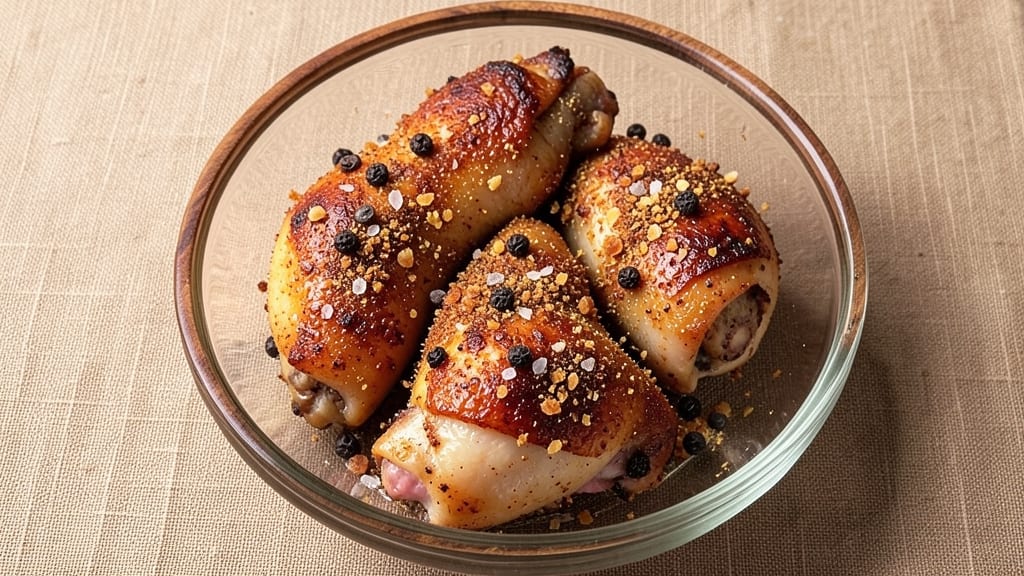
This chicken thigh rub recipe transforms ordinary thighs into smoky, garlicky masterpieces with just a few simple ingredients. The blend of paprika, garlic powder, and brown sugar creates a deep, complex flavor that clings to the meat, perfect for grilling, baking, or even dry-brining.
I developed this mix after years of experimenting with dry rubs—it’s the one that finally delivers restaurant-quality results without the fuss.
The secret lies in the balance of spices: smoky paprika for depth, garlic powder for aromatic punch, and brown sugar for a subtle caramelized crust. This dry rub is designed to be stored in an airtight jar, ready to elevate any chicken dish with minimal effort.
Whether you’re cooking for a crowd or treating yourself to a weeknight meal, this blend delivers consistent, professional-level flavor every time.
What makes this recipe stand out is its versatility—use it on raw thighs before cooking, or sprinkle it over already-cooked meat for an instant flavor boost. The spices meld beautifully with the natural richness of the chicken, creating a crust that’s both flavorful and slightly crispy.
No need for complicated techniques; just mix, apply, and let the heat do the rest.
Make a batch and keep it on hand for quick weeknight dinners or special occasions. The blend stays fresh for months, making it a pantry staple that’s always ready to transform simple chicken into something extraordinary. Here’s how to mix it up in minutes.
Ingredients for chicken thigh rub
Nine simple spices transform basic chicken thighs into restaurant-quality masterpieces with minimal effort.
| Ingredient | Amount | Notes |
|---|---|---|
| Smoked Paprika 🌶️ | 3 tbsp | High-quality, not smoked paprika blend |
| Garlic Powder 🧄 | 2 tbsp | Freshly ground preferred |
| Brown Sugar 🍚 | 2 tbsp | Light or dark variety |
| Onion Powder 🧅 | 1 tbsp | Finely ground preferred |
| Ground Black Pepper 🌶️ | 1 tbsp | Freshly cracked for best flavor |
| Salt 🧂 | 1 tbsp | Kosher or sea salt preferred |
| Dried Thyme 🌿 | 1 tsp | Or substitute with 0.5 tsp fresh |
| Ground Cumin 🌿 | ½ tsp | Toasted for deeper aroma |
| Cayenne Pepper 🔥 | ¼ tsp | Adjust for desired heat level |
The foundation of this blend is smoked paprika—look for brands like Penzeys or McCormick for consistent quality. The difference between regular paprika and smoked is dramatic; smoked paprika gives that unmistakable charred flavor that clings beautifully to chicken. For garlic powder, bulk bins at grocery stores often provide fresher product than pre-packaged jars. If you're using this on bone-in thighs, the spices will penetrate deeper during cooking, so don't hesitate to use a slightly heavier hand. The brown sugar should be lightly packed—don't scoop directly from the bag, or you'll end up with less than you need.
No smoked paprika? Substitute with 1 tbsp regular paprika plus 0.5 tsp liquid smoke—it won't be identical, but it'll get you close. Running short on thyme? Dried oregano works at the same amount, though the flavor profile shifts slightly. For a sweeter crust, increase the brown sugar to 3 tbsp, but be warned—it'll caramelize more aggressively. If you're using this on already-cooked chicken, reduce the cayenne to 0.125 tsp unless you're craving serious heat. The blend works beautifully on other meats too—just halve the brown sugar for beef or pork to prevent over-sweetness.
Store this blend in an airtight glass jar in a cool, dark place for up to 6 months. For longer storage, freeze portions in ice cube trays—just pop out what you need and crush lightly. The rub keeps its potency far longer than store-bought packets, making it a cost-effective pantry staple. I typically double the batch and give half away—people are always impressed by the depth of flavor. If you notice the spices losing their aroma, simply toast them gently in a dry pan for 30 seconds to revive their punch.
Why You'll Love This Recipe
- Five-Minute Mix: I swear, this rub takes less time to measure than it does to argue about who gets the last slice of bread. Just toss those spices—smoked paprika, garlic powder, a touch of brown sugar—and call it done. No fancy techniques, no waiting for ingredients to "bloom" or whatever. It’s the kind of recipe that makes me feel like I’ve earned my dinner without actually breaking a sweat.
- Sweet-Savory Magic: That brown sugar isn’t just for show—it caramelizes into a sticky, addictive crust while the smoked paprika adds this deep, smoky warmth. Honestly, the first time I tried it, I nearly licked the bowl. It’s the kind of flavor that turns a simple protein into something you’d pay double for at a restaurant.
- Tailgate or Tuesday: Between us, this rub is my secret weapon for everything from game-day snacks to lazy weeknight dinners. Grill it, bake it, or even throw it on the stovetop—it works every time. My college-aged son now calls it his "no-excuses chicken" because it’s foolproof enough to handle his chaotic schedule.
- Budget-Friendly Leftovers: A single batch of this rub stretches to feed four people, and the leftovers? Even better the next day. I’ve reheated these thighs straight from the fridge for lunch, tossed them into salads, or just eaten them cold with crackers—no shame. It’s the kind of recipe that makes me feel like I’m feeding a crowd without draining my wallet.
Step-by-step instructions for chicken thigh rub
This blend delivers bold, smoky flavor with just a few simple steps—no fancy equipment needed.
Combine All Dry Ingredients in a Bowl
In a medium bowl, add the 3 tablespoons smoked paprika first. This ingredient forms the base of your rub and carries the deep, smoky flavor that will penetrate the chicken. Sprinkle in the 2 tablespoons garlic powder next—this adds a sharp, aromatic punch that complements the paprika beautifully.
Add the 2 tablespoons brown sugar to create a subtle caramelized crust when cooked. The sugar will help form a sticky, flavorful bark on the chicken while balancing the heat from the spices. Stir everything together gently with a wooden spoon or silicone spatula to break up any clumps.
Add Remaining Seasonings for Depth
Pour in the 1 tablespoon onion powder and 1 tablespoon ground black pepper. These ingredients add complexity and warmth that rounds out the flavor profile. The onion powder provides a subtle sweetness, while the black pepper adds a sharp, peppery bite that enhances the overall taste.
Next, add the 1 tablespoon salt, 1 teaspoon dried thyme, 0.5 teaspoon ground cumin, and 0.25 teaspoon cayenne pepper. The salt ensures the rub adheres well to the chicken and enhances all other flavors. The thyme brings an earthy, herbal note, while the cumin adds a warm, slightly nutty depth. Finally, the cayenne pepper introduces heat—adjust this amount if you prefer a milder or spicier rub.
Mix Thoroughly for Even Distribution
Use your spoon to stir the mixture vigorously for 1 to 2 minutes, ensuring all ingredients are fully incorporated. You want a fine, uniform texture without any dry spots or clumps. The rub should look like a cohesive blend of spices with a slightly oily sheen from the paprika and sugar.
For best results, press the rub between your fingers to break up any remaining clumps. This step is crucial—uneven distribution means some pieces of chicken will be bland while others are overpoweringly spicy. Once fully mixed, transfer the rub to an airtight container for storage.
Apply Generously to Chicken Thighs
Pat the chicken thighs dry with paper towels to remove any moisture—this helps the rub adhere better and promotes crispier skin. Using your hands, press the rub firmly onto all sides of the thighs, including the bones and crevices. Don’t be shy—this recipe yields enough rub for 4 servings, so use about 1 tablespoon per thigh for maximum flavor.
Let the seasoned thighs sit at room temperature for 15 to 30 minutes before cooking. This allows the rub to penetrate the meat slightly and develop deeper flavor. If you’re short on time, you can skip this step, but it makes a noticeable difference in taste and texture.
Pro Tips For Making Chicken Thigh Rub
- CRUSH THE SPICE MIX: Mix your smoked paprika and brown sugar first—this prevents clumping and lets the flavors blend evenly. I used to toss everything together dry, but now I grind the spices briefly in a spice grinder (or just shake them hard in a jar) before adding the sugar. Trust me, your rub will coat the chicken like butter.
- DON’T SKIP THE OIL: Lightly coat the chicken thighs with oil before applying the rub—this helps it stick and caramelize. I learned this the hard way: dry rubs slide off juicy thighs, and you end up with more seasoning on your fingers than the meat. A quick brush with olive or avocado oil makes all the difference.
- LOW AND SLOW AFTER SEARING: After searing the thighs skin-side down until golden, turn the heat down to medium-low. High heat finishes too fast, and the skin burns before the inside cooks through. I used to blast them until crispy, then realized the meat stayed tough. Let it cook gently—about 15-20 minutes per side—for tender, juicy results.
- USE WET INGREDIENTS: Add a splash of apple cider vinegar or even water (1 teaspoon) to your spice mix before applying. This helps the rub cling to the chicken and adds a subtle tang that balances the sweetness. I was skeptical until I tried it—now it’s non-negotiable for me.
Troubleshooting perfect results
Uneven Spice Distribution
If your rub looks clumpy or some chicken pieces taste bland while others are overwhelmingly spicy, you likely didn’t mix thoroughly enough. I recommend using a mortar and pestle for the initial blending—it breaks up spices more effectively than a spoon.
After mixing, press the rub between your fingers to crush any remaining clumps. For stubborn clumps, pulse in a food processor for just 5-10 seconds—don’t over-process or it’ll turn into a fine powder that won’t stick to the meat. 🌶️
Dry Rub Not Sticking
Moisture is the enemy of a good rub. Always pat your chicken thighs completely dry with paper towels before applying. If the rub still won’t stick, try lightly coating the meat with 1 teaspoon olive oil per thigh first—this creates a sticky base.
For bone-in thighs, focus extra attention on the crevices where spices tend to fall off. A quick egg wash (beaten egg brushed on) before applying the rub also helps it adhere better during cooking.
Overpowering Heat
Too much cayenne can make your rub unbearably spicy. If you accidentally used more than 0.5 teaspoon, don’t panic—balance it with 1 extra tablespoon brown sugar to mellow the heat. For immediate relief, add 1 teaspoon honey or maple syrup to the mix before applying.
If you’re using this on already-cooked chicken, reduce the cayenne to 0.125 teaspoon next time. I’ve found that toasting the spices in a dry pan for 30 seconds before mixing also mellows their intensity slightly.
Rub Too Dry or Dusty
A dry rub should have a slightly oily sheen from the paprika and sugar, not look like powdered sugar. If yours is too dry, add 1 teaspoon olive oil or melted butter to the mix.
For a thicker consistency that sticks better, increase the brown sugar to 3 tablespoons—this adds moisture while creating a better crust. Store your rub in an airtight glass jar with a silicone lid to prevent moisture loss between uses.
Chicken Tastes Bland After Cooking
Bland flavor usually means the rub didn’t have enough time to work its magic. Let seasoned thighs rest at room temperature for at least 15 minutes before cooking—this allows spices to penetrate. For extra depth, apply the rub twice: once before resting and again right before cooking.
If you’re grilling or broiling, cook over medium heat initially to help the spices caramelize rather than burning them. A quick broth basting during cooking also enhances flavor.
Spices Burning or Bitter Taste
High heat causes spices to burn, creating bitterness. Keep your grill or oven temperature between 375-400°F—any hotter and the sugar in the rub will scorch. For stovetop cooking, use medium heat and stir occasionally.
If you notice burning, move the pan to a cooler part of the stove. For smoked flavors, use hickory or applewood chips instead of mesquite, which burns more easily. 🔥
Nutrition facts
Frequently asked questions
Can I use this rub on other meats besides chicken thighs?
This blend works beautifully on pork chops, duck breasts, and even lamb chops. For beef, reduce the brown sugar to 1 tablespoon to prevent over-sweetness. The smoky paprika and garlic base make it versatile—just adjust the cayenne to your preferred heat level.
How long should I let the rub sit on chicken before cooking?
For best results, let seasoned thighs rest at room temperature for 15-30 minutes before cooking. This allows the spices to penetrate the meat and develop deeper flavor. If you're short on time, even 5 minutes will help, but the longer rest yields more complex taste.
Can I make this rub spicier or milder?
Yes! For extra heat, increase the cayenne to 0.5 teaspoon or add 0.25 teaspoon red pepper flakes. To mellow it, reduce the cayenne to 0.125 teaspoon or omit it entirely. You can also balance heat by adding 1 extra tablespoon brown sugar to sweeten the crust.
How do I store leftover rub?
Keep your rub in an airtight glass jar in a cool, dark place for up to 6 months. For longer storage, freeze portions in ice cube trays—just pop out what you need and crush lightly. The spices stay potent much longer than store-bought packets.
What's the best way to apply the rub to chicken?
Pat the chicken completely dry first—moisture prevents the rub from sticking. Use your hands to press the rub firmly into all sides, including crevices. For extra adhesion, lightly coat the meat with 1 teaspoon olive oil before applying. Don't skip the bones or edges where flavor concentrates!