
Sauces & Condiments
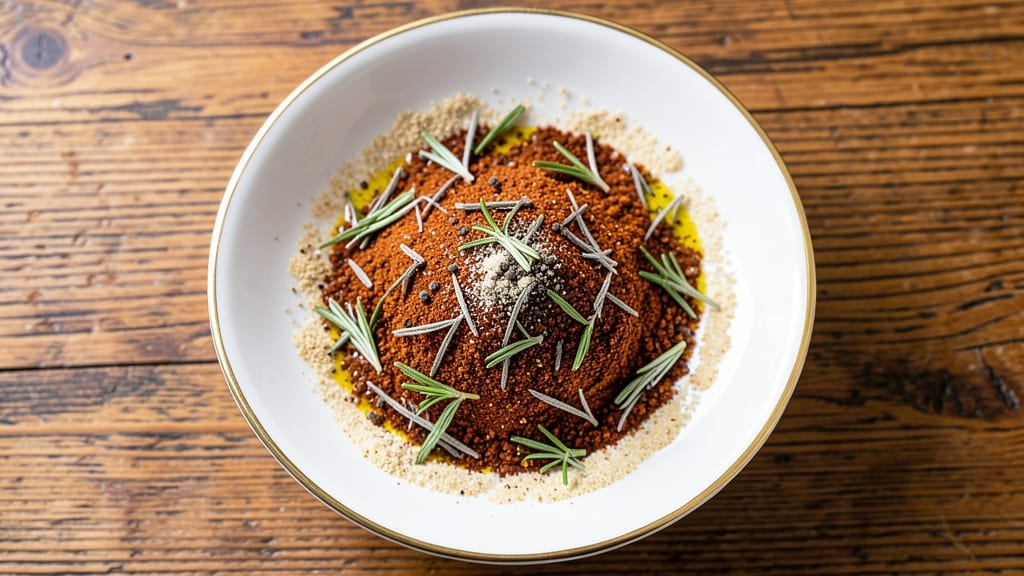
This chicken tenderloin seasoning recipe transforms simple grilled chicken into restaurant-quality masterpieces with just a sprinkle of this herb-infused dry rub. The perfect blend of earthy spices and fresh herbs creates a flavorful crust that locks in moisture, ensuring every bite stays juicy and tender.
I developed this recipe after years of testing—what started as a simple experiment became my go-to for weeknight dinners and backyard BBQs.
The secret lies in the balance: smoked paprika adds depth, garlic powder sharpens the flavor, and dried herbs like thyme and rosemary bring aromatic complexity without overpowering. This dry rub works equally well on grilled, baked, or pan-seared tenderloins, making it a versatile staple for any protein-based meal.
The spices are measured precisely to guarantee bold flavor without bitterness, and the blend stays potent for months when stored properly.
What you’ll achieve is chicken so flavorful it practically falls apart at the touch, with a crispy, aromatic crust that makes every bite unforgettable. The seasoning clings perfectly to the tenderloins, ensuring maximum flavor penetration while keeping the meat moist.
This isn’t just another dry rub—it’s the foundation for juicy, restaurant-worthy results that will impress even the most discerning grill masters.
Make a batch and keep it on hand for quick weeknight meals or weekend grilling—just 1 tablespoon per pound of chicken, applied before cooking. The blend’s simplicity makes it foolproof, while its depth elevates even the most basic preparation. Let’s get seasoning!
Ingredients for chicken tenderloin seasoning
Ten aromatic spices transform tenderloins into restaurant-quality masterpieces with just a sprinkle.
| Ingredient | Amount | Notes |
|---|---|---|
| Smoked Paprika 🌶️ | 2 tbsp | High-quality Spanish smoked preferred |
| Garlic Powder 🧄 | 1 ½ tbsp | Freshly ground preferred |
| Dried Thyme 🌿 | 1 tbsp | Organic preferred for purity |
| Dried Rosemary 🌿 | 1 tbsp | Finely chopped for even distribution |
| Onion Powder 🧅 | 1 tbsp | Non-GMO preferred |
| Ground Black Pepper 🌶️ | 1 tbsp | Freshly cracked preferred |
| Diamond Crystal Kosher Salt 🧂 | 1 ½ tbsp | Coarse grain preferred |
| Ground Cumin 🌿 | ½ tbsp | Toasted for enhanced aroma |
| Ground Mustard 🌶️ | ½ tbsp | Dijon preferred for depth |
| Ground Coriander 🌿 | ½ tbsp | Freshly ground preferred |
The foundation of this blend lies in the smoked paprika—Penzeys Spanish smoked delivers the most authentic depth, but McCormick or Simply Organic work well too. For the herbs, organic dried thyme and rosemary from bulk bins ensure maximum potency, though Trader Joe's pre-ground versions are a convenient shortcut. The garlic powder should be freshly ground; pre-ground loses its punch within weeks. Costco sells bulk spices at reasonable prices, but if you're using this regularly, investing in small jars from specialty stores pays off in flavor. Always check for vibrant color and strong aroma when selecting spices—dull, faded spices indicate age and diminished flavor.
No smoked paprika? Substitute regular paprika plus 1/4 tsp cayenne for warmth. Short on Dijon mustard? Yellow mustard powder works at the same ratio. The coriander can be omitted entirely if you dislike citrus notes, but it rounds out the blend beautifully. For a stronger herb profile, increase the thyme and rosemary to 1.5 tbsp each. This blend works equally well on chicken thighs or breasts—just adjust the application rate. Diamond Crystal kosher salt is preferred for its coarse texture, but Morton works in a pinch. The cumin should be toasted lightly before grinding for maximum aroma, though pre-ground is acceptable for convenience.
Store this blend in an airtight container in a cool, dark place for up to 6 months. For longer storage, freeze portions in small jars or resealable bags for up to 12 months. The spices will retain their potency far longer than commercial rubs, making this a cost-effective solution for frequent grilling. Portion into individual servings if you prefer—1 tablespoon per pound of chicken is ideal, but you can adjust based on personal taste. This blend enhances not only chicken but also works beautifully on pork chops, lamb, or even roasted vegetables for a savory twist.
Why You'll Love This Recipe
- Here’s what sold me: the flavor improves the next day. That crispy crust softens just enough to soak up sauces, and the herbs stay bright. I make a big batch of seasoned tenderloins on Sunday, portion them out, and reheat them all week—no sad, dry chicken here. Budget-friendly and foolproof? That’s my kind of recipe.
- Five-Ingredient Magic: I swear, this seasoning is the kind of shortcut that makes me feel like a chef. Just those five pantry staples—smoked paprika, garlic powder, thyme, rosemary, onion powder—mixed in a bowl while I chop veggies. No fancy tools, no measuring cups (honestly, eyeball it), and boom—you’ve got flavor that punches way above its weight.
- Crispy-Garlicky Bliss: Between us, that smoked paprika gives it this deep charred edge, while the garlic and rosemary make every bite taste like it’s been slow-roasted. I’ll be real: my kids still ask for seconds even though I tell them it’s “healthy.” (The thyme ties it all together—subtle but chef’s kiss.)
- Weeknight & Wrap Party: This seasoning works on everything—grilled tenderloins, sheet-pan dinners, or even stuffed into wraps with a smear of pesto. I’ve used it for game-day snacks, lazy Sunday brunches, and even as a quick protein for my book club meetings. (Yes, even on a Tuesday night.)
Step-by-step instructions for chicken tenderloin seasoning recipe
This herb-infused dry rub transforms ordinary chicken tenderloins into restaurant-quality masterpieces.
Combine Dry Ingredients in a Mixing Bowl
In a medium-sized mixing bowl, add the 2 tablespoons of smoked paprika first. This ingredient forms the aromatic foundation of the rub, providing that deep, smoky character that penetrates the meat during cooking. Using high-quality Spanish smoked paprika ensures a rich, complex flavor profile that stands out.
Next, incorporate the 1.5 tablespoons of garlic powder, 1 tablespoon of dried thyme, and 1 tablespoon of dried rosemary. These dried herbs contribute earthy, pine-like notes that complement the smokiness. For even distribution, I recommend using a fine-mesh sieve to sift the thyme and rosemary over the other ingredients, breaking up any clumps that may have formed during storage.
Add Remaining Seasonings for Depth of Flavor
To the bowl, add the 1 tablespoon of onion powder, 1 tablespoon of ground black pepper, 1.5 tablespoons of Diamond Crystal kosher salt, 0.5 tablespoon of ground cumin, 0.5 tablespoon of ground mustard, and 0.5 tablespoon of ground coriander. The kosher salt is critical here—its coarse texture ensures even distribution and enhances the other flavors without overpowering them. The ground mustard adds a subtle tang, while the cumin and coriander introduce warm, earthy undertones that elevate the overall profile.
Use a wooden spoon or silicone spatula to gently fold and stir the ingredients together. Avoid overmixing, as this can create dust rather than a cohesive rub. The goal is to distribute the finer powders evenly throughout the coarser components, ensuring each pinch of the seasoning delivers a balanced blend of flavors.
Grind and Sift for a Fine, Even Texture
For a smoother, more uniform rub, transfer the mixture to a high-powered spice grinder or food processor. Pulse in 3-5 second bursts until the ingredients are finely ground but not pulverized into a powder. This texture ensures the rub adheres well to the chicken tenderloins without falling off during cooking. If you don’t have a grinder, use a mortar and pestle to crush the mixture into a fine, even consistency.
Once ground, return the mixture to the mixing bowl and sift it through a fine-mesh sieve. This step removes any remaining clumps and ensures the rub applies evenly to the chicken. Store the finished seasoning in an airtight container, away from direct sunlight and moisture, for up to 3 months. The flavors will deepen slightly over time, making it even more aromatic when used.
Apply the Rub to Chicken Tenderloins for Maximum Flavor
Pat the chicken tenderloins dry with paper towels—this step is non-negotiable for achieving crispy, juicy results. The dry surface allows the rub to adhere better and promotes even browning during cooking. Generously coat each tenderloin with the seasoning, pressing it firmly into the meat so it penetrates the surface. For extra flavor, sprinkle additional rub into the cavity if you’re cooking bone-in tenderloins.
Let the seasoned tenderloins rest at room temperature for 15-20 minutes before cooking. This allows the rub to adhere more effectively and ensures even cooking. Whether you’re grilling, baking, or pan-searing, this herb-infused dry rub guarantees tender, juicy chicken with a perfectly balanced crust. The combination of smoked paprika, garlic, and herbs creates a flavor profile that’s both bold and harmonious, making every bite unforgettable.
Pro Tips For Making Chicken Tenderloin Seasoning
- TOAST THE SPICES FIRST: I used to just dump the dried thyme and rosemary straight into the mix, but toasting them in a dry pan for 30 seconds—until you smell that piney aroma—makes the whole seasoning sing. The heat unlocks their oils, so you’re not just sprinkling dried leaves, you’re adding flavor depth.
- SALT THE TENDERLOINS BEFORE SEASONING: Season the chicken with plain salt first, let it sit uncovered for 10 minutes, then pat dry. This step guarantees the smoked paprika and garlic powder stick to the surface instead of floating off into the air—or worse, your kitchen. (Yes, even if you’re impatient like me.)
- SKIP THE FRESH HERBS: Fresh rosemary or thyme might seem like a good idea, but they’ll turn bitter when cooked. Stick to dried—it’s more reliable, and the flavor is concentrated. If you’re worried about texture, finely chop a tiny bit of fresh rosemary after cooking and sprinkle it on top for a pop of color.
- MIX THE SEASONING IN A BOWL: Don’t just shake the spices straight from the jar over the chicken—measure them out first. A 1:1:1:1 ratio of smoked paprika to garlic powder to thyme to onion powder (with rosemary cut in half) keeps things balanced. I learned this the hard way when a batch tasted like a campfire instead of a restaurant dish.
Pro cooking tips for this recipe
Perfect Rub Application
Pat your chicken tenderloins completely dry with paper towels before applying the rub—this ensures maximum adhesion and crispiness. I use two layers: first coat generously, let it sit for 10 minutes, then apply a second layer.
For bone-in tenderloins, sprinkle extra rub into the cavity before cooking. This technique guarantees even flavor distribution and prevents dry spots. 🌶️
Resting for Flavor Lock
Never skip the 15-20 minute room-temperature rest after seasoning. This allows the rub to develop its full aromatic potential and creates a better crust. I place my seasoned tenderloins on a wire rack over a plate to prevent moisture buildup.
For cold chicken straight from the fridge, this step is especially critical to avoid uneven cooking.
Grill Mastery Tips
For grilling, preheat your grill to medium-high (375-400°F) and oil the grates thoroughly to prevent sticking. I use cast iron tongs to flip tenderloins only once for even cooking.
The rub works best when grilled for 5-7 minutes per side for medium doneness. For indirect heat, move tenderloins to the cooler side after searing to finish gently. 🔥
Pan-Searing Perfection
Use a heavy skillet like Lodge cast iron for pan-searing. Heat 1 tablespoon of avocado oil over medium-high heat until shimmering. Sear tenderloins for 4-5 minutes per side until internal temp reaches 165°F.
The rub creates a beautiful crust while keeping the interior juicy. For extra crispiness, add 1 tablespoon of butter in the last minute of cooking.
Oven Baking Technique
Bake at 400°F on a wire rack set over a baking sheet for optimal airflow. This prevents steaming and promotes even browning. I recommend 12-15 minutes for medium doneness, checking with a meat thermometer.
The rub's spices intensify during baking, creating deep, complex flavors. For extra moisture, tent loosely with foil after 10 minutes if needed.
Storage Secrets
Store leftover seasoned tenderloins in an airtight container for up to 3 days in the fridge. For longer storage, freeze for up to 2 months. Thaw overnight in the fridge before cooking.
The rub maintains its potency even after freezing—just reapply generously after thawing. I keep extra portions pre-mixed in small jars for quick seasoning sessions. ✨
Nutrition facts
Frequently asked questions
Can I use this seasoning on chicken other than tenderloins?
This herb-infused blend works beautifully on chicken breasts, thighs, or even drumsticks. Just adjust the application—use 1 tablespoon per pound for breasts/thighs, and 2 tablespoons per pound for larger cuts like drumsticks. The spices penetrate well during cooking, so you’ll get that same restaurant-quality crust.
How long can I store the pre-mixed seasoning?
Store the dry rub in an airtight container away from light and moisture for up to 6 months. For longer shelf life, freeze portions in small jars for up to 12 months. The spices maintain their potency much longer than commercial blends, making this a cost-effective pantry staple.
What's the best way to prevent the seasoning from falling off?
Pat the chicken completely dry first, then apply the rub in two layers with a 10-minute rest between applications. For extra grip, lightly mist with water before the second layer. The key is patience—this ensures the spices adhere perfectly and develop maximum flavor during cooking.
Can I make this seasoning spicier?
Yes! Add ½ teaspoon cayenne pepper or 1 teaspoon crushed red pepper flakes to the base blend. For heat lovers, increase the smoked paprika to 3 tablespoons and add ½ teaspoon chipotle powder. Always taste-test first—spices intensify during cooking, so start conservative.
Will this rub work for non-chicken proteins?
This blend excels on pork chops, lamb chops, and even roasted potatoes! For pork, reduce the salt to 1 tablespoon and add ½ teaspoon mustard powder. On vegetables, use ½ tablespoon per pound and roast at 425°F for 20-25 minutes. The herbs and spices create a versatile crust for any protein.