
Side Dishes
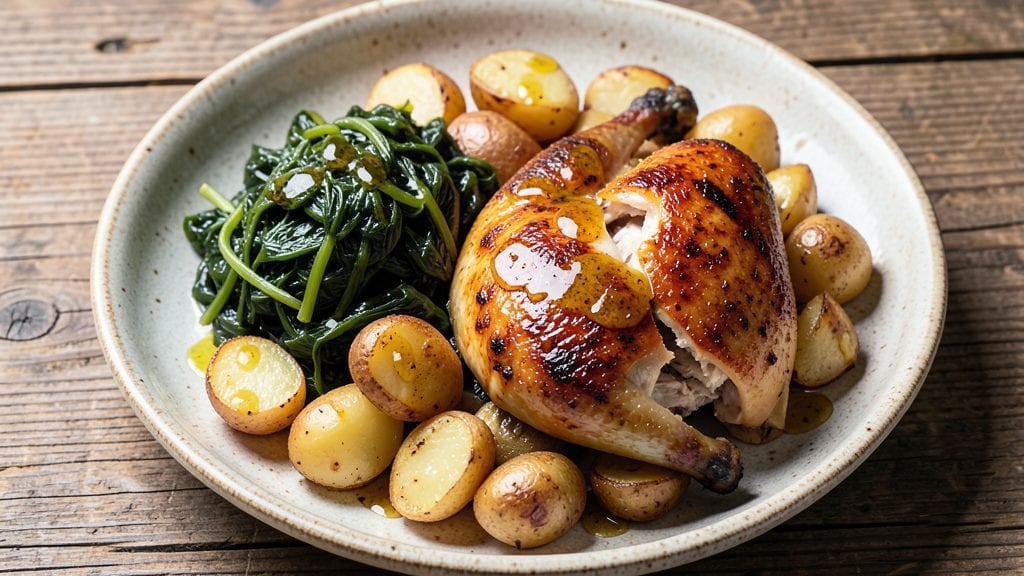
This chicken sauerkraut potato recipe delivers a hearty, crispy one-pan feast that balances tangy sauerkraut, tender chicken, and perfectly roasted potatoes. Growing up in small-town Georgia, I learned how a simple cast iron skillet could transform humble ingredients into a meal that fed a whole family.
The secret lies in high-heat roasting for those crispy potato edges while keeping the chicken juicy and the sauerkraut's signature tang intact.
The beauty of this recipe is its simplicity—just three core components that come together in 30 minutes with minimal prep. You'll start with chicken thighs marinated in a blend of mustard and spices, then layer in sauerkraut and potatoes on a single sheet pan.
The magic happens when everything roasts together, creating a symphony of textures: crispy potatoes, tender chicken, and sauerkraut that softens just enough to soak up all the flavors. This is the kind of dish that feels like a hug on a chilly evening.
What makes this recipe stand out is how it elevates everyday ingredients into something special. The potatoes develop a crispy golden crust, the chicken stays juicy with a slightly caramelized exterior, and the sauerkraut mellows into a sweet-tangy base.
It's the kind of meal that tastes even better the next day, making it perfect for leftovers or meal prep. The flavors are bold but balanced—never overpowering, always satisfying.
Whether you're serving this as a weeknight dinner or a weekend family meal, it delivers restaurant-quality results with minimal effort. The technique is straightforward, but the outcome feels like a labor of love.
Trust me, once you try this one-pan feast, you'll never go back to separate sides again. Let's get cooking!
Ingredients for chicken sauerkraut potato
Just 12 ingredients transform into a tangy, crispy one-pan feast that tastes like home.
| Ingredient | Amount | Notes |
|---|---|---|
| Chicken Thighs 🍗 | 1 ½ lb | Bone-in, skin-on preferred |
| Yellow Mustard 🍯 | ¼ cup | Dijon or whole-grain preferred |
| Garlic Cloves 🧄 | 4 cloves | Minced for marinade |
| Sauerkraut 🥬 | 2 cups | Drained, rinsed if too sour |
| Baby Potatoes 🥔 | 1 ½ lb | Halved, skin-on for crispiness |
| Olive Oil 🫒 | ¼ cup | Extra-virgin for roasting |
| Dried Thyme 🌿 | 1 tsp | Or 1 tbsp fresh thyme leaves |
| Smoked Paprika 🌶️ | 1 tsp | For depth of flavor |
| Salt 🧂 | 1 ½ tsp | Diamond Crystal kosher preferred |
| Black Pepper 🌶️ | ½ tsp | Freshly cracked for texture |
| Apple Cider Vinegar 🍎 | 1 tbsp | Balances sauerkraut tang |
| Fresh Parsley 🌿 | ¼ cup | Chopped, for garnish |
The chicken thighs are the backbone here—bone-in, skin-on for maximum flavor and juiciness. Trader Joe's and Costco often have them at great prices, but any grocery store's butcher section will do. Look for thighs with good marbling; the fat renders down during roasting, keeping everything moist. If you can't find bone-in, skin-on, boneless skinless thighs work in a pinch, but they'll be slightly less flavorful. The mustard isn't just for flavor—it helps tenderize the chicken while adding a subtle sweetness that cuts through the sauerkraut's tang. Dijon or whole-grain mustard adds texture and depth, but any yellow mustard will work.
Sauerkraut can vary wildly in sourness—some brands are downright vinegary, others almost sweet. Look for the kind with visible cabbage pieces (not pureed) and drain it well before using. Too much liquid in the pan will steam the potatoes instead of crisping them. No sauerkraut? Substitute 1 cup chopped green cabbage and 1 tbsp lemon juice, but the flavor won't be the same. The baby potatoes should be halved—smaller pieces crisp faster, but don't go smaller than 1-inch chunks or they'll burn. For extra crispiness, toss them with 1 tsp cornstarch before roasting. The apple cider vinegar is key for balancing the sauerkraut's acidity, but if you're out, lemon juice or white vinegar works in a pinch.
This dish reheats beautifully—even better the next day as flavors meld. Store leftovers in an airtight container in the fridge for up to 4 days, or freeze for 3 months (portion into single servings for easy reheating). The crispiness diminishes slightly when reheated, so I always save a portion of the roasted potatoes raw to add back to the pan when warming up. For meal prep, assemble everything on the sheet pan, refrigerate uncovered for 30 minutes before roasting—this helps the potatoes crisp up more evenly. Garnish with fresh parsley right before serving to keep it vibrant.
Why You'll Love This Recipe
- One-Pan Magic: I swear by this recipe when I’m too tired to wash dishes—just toss everything on a sheet pan, roast, and walk away. The potatoes crisp up while the chicken stays juicy, and the sauerkraut soaks up all the garlic-mustard goodness without extra effort.
- Tangy Comfort Bite: That first forkful of crispy thigh, creamy potato, and briny sauerkraut? It’s the kind of flavor combo that makes you pause mid-bite. The mustard adds a sharp kick, but the garlic softens it into something rich and familiar—like a hug in dish form.
- Leftovers That Don’t Suck: Between us, most leftovers are sad. Not this. The flavors actually deepened overnight, so I reheat it for lunch the next day—still crispy, still packed with that tangy punch. Honestly, it’s the rare dish where seconds (and thirds) taste just as good.
- Budget-Friendly Crowd Pleaser: Chicken thighs are cheap, potatoes are cheap, and a jar of sauerkraut lasts forever. I feed four people for under $15, and everyone—even my picky teenager—comes back for more. It’s my go-to for game days, potlucks, or when I’m broke but still want to feel fancy.
Step-by-step instructions for tangy-sour crispy one-pan feast
Here's how to create a perfectly balanced dish with crispy chicken, tender potatoes, and tangy sauerkraut.
Marinate and Prep the Chicken
In a medium bowl, combine the 1.5 lb chicken thighs, 0.25 cup yellow mustard, 4 cloves minced garlic cloves, 1 tbsp apple cider vinegar, 1 tsp smoked paprika, 1 tsp dried thyme, 1.5 tsp salt, and 0.5 tsp black pepper. Mix thoroughly until the chicken is fully coated in the marinade. Let it sit at room temperature for 15 minutes while you prepare the potatoes.
The marinade works double duty here—it tenderizes the chicken and creates that signature tangy-sour flavor profile. Don't skip this step; the chicken will be more flavorful and juicier when roasted. While the chicken marinates, halve the 1.5 lb baby potatoes lengthwise, leaving the skin on for maximum crispiness.
Roast the Potatoes Until Golden
Preheat your oven to 425°F. In a large oven-safe skillet, combine the halved potatoes with 0.25 cup olive oil, 0.5 tsp salt, and 0.25 tsp black pepper. Toss gently to coat evenly. Spread the potatoes in a single layer and roast for 20 minutes, stirring once halfway through, until they're golden brown and beginning to crisp at the edges.
This initial roast is crucial for building texture. You want the potatoes to develop a crispy exterior while staying tender inside. If your oven runs hot, you might need to reduce the temperature slightly after the first 10 minutes to prevent burning. The potatoes should be hot but not yet fully cooked—they'll finish in the oven with the chicken.
Brown the Chicken and Combine Ingredients
Remove the potato skillet from the oven and set aside. In the same skillet, add the marinated chicken thighs, skin-side down. Return to the oven and roast for 15 minutes to render the fat and create crispy skin. Flip the chicken and roast for another 10 minutes until the internal temperature reaches 165°F and the skin is deep golden brown and crispy.
Here's where the magic happens: the chicken's rendered fat will baste the potatoes, creating that perfect balance of textures. If the potatoes seem undercooked at this point, don't worry—they'll finish while the chicken rests. The key is to let the chicken develop that crispy skin while the potatoes absorb all that delicious flavor.
Finish with Sauerkraut and Thyme
Remove the skillet from the oven and reduce heat to medium. Add the 2 cups sauerkraut (drained if too wet) and 1 tsp dried thyme to the skillet. Stir gently to combine, letting the sauerkraut heat through for 3-4 minutes until it's warmed but still retains its texture. The sauerkraut should be hot enough to soften slightly but not mushy—it should still have that pleasant crunch.
This is the moment that brings all the flavors together. The tangy sauerkraut cuts through the richness of the chicken and potatoes, creating that perfect balance. Taste and adjust seasoning if needed—you might need a little more salt to complement the sauerkraut's acidity. The dish should be vibrant and complex, not bland or one-note.
Rest and Garnish for Perfect Presentation
Let the entire dish rest for 5 minutes before serving. This allows the juices to redistribute, ensuring every bite is moist and flavorful. Garnish with 0.25 cup chopped fresh parsley just before serving to add a pop of color and freshness that cuts through the richness.
Serve immediately with a dollop of extra sauerkraut on top if desired. The chicken should be crispy-skinned and juicy inside, the potatoes perfectly tender with crispy edges, and the sauerkraut maintaining its tangy crunch. Each bite should deliver a perfect balance of textures and flavors—crispy, tender, and tangy all in one harmonious dish.
Pro Tips For Making Chicken Sauerkraut Potato
- CRISP THE POTATOES FIRST: Toss the baby potatoes in cold water, then boil them until just tender—about 10 minutes—before adding them to the pan. This keeps them intact instead of turning to mush when they hit the hot chicken and sauerkraut later. (Yes, even if you're impatient like me, resist the urge to skip this step.)
- SALT THE SAUERKRAUT: Drain the sauerkraut, then rinse it lightly if it’s too acidic, but don’t skip the salt. Sprinkle a teaspoon of kosher salt over it while it warms—this balances the tang and makes the flavors sing. I learned this the hard way when my dish tasted like vinegar overload.
- BROWN THE CHICKEN LOW AND SLOW: Don’t rush the chicken thighs—sear them skin-side down on medium-low heat for 6-8 minutes until golden, then flip and cook another 5 minutes. High heat makes them tough; patience here guarantees juicy, flavorful meat that won’t dry out when mixed with the sauerkraut.
- STIR IN THE MUSTARD LAST: Add the yellow mustard only in the final 2 minutes of cooking, off direct heat if possible. This keeps it bright and tangy instead of turning bitter from prolonged heat. (Your future self will thank you—trust me.)
Regional styles of this dish
German Comfort Style
In Germany, this dish takes center stage as Bratwurst mit Sauerkraut und Kartoffeln—a hearty plate that feels like a warm embrace. The key difference? Swap chicken for freshly grilled bratwurst sausages (I love Johnsonville's all-beef variety) and serve the sauerkraut on the side rather than mixed in.
The potatoes here are boiled and sliced (not roasted) for a softer texture that soaks up the tangy juices. For extra authenticity, finish with a sprinkle of fresh dill and a side of mustard for dipping. 🌍
Carolina BBQ Twist
Down in the Carolinas, we take this dish and give it that smoky, vinegar-based BBQ flair. Start by marinating the chicken in ½ cup apple cider vinegar and 1 tbsp hot sauce (I use Crystal Hot Sauce) instead of mustard.
Roast the potatoes with 1 tbsp smoked paprika and 1 tsp brown sugar for a caramelized edge. Serve the sauerkraut on the side with a drizzle of vinegar-based Carolina-style BBQ sauce (like Sweet Baby Ray's Original). The tangy-sour combo becomes a full-on smoky-sweet-tangy trifecta. 🔥
Dutch Oven Crispy
For a restaurant-quality version, use a cast iron Dutch oven instead of a sheet pan. Sear the chicken in 2 tbsp butter and 2 tbsp olive oil until golden before adding the potatoes and sauerkraut. The Dutch oven traps steam, creating ultra-crispy potatoes with a deeply caramelized bottom crust.
After roasting, finish with a splash of Dijon mustard and a sprinkle of fresh chives for brightness. This method works especially well for weekend family dinners when you want that homestyle comfort. 🍲
Spicy Cajun Kick
Give this dish a Louisiana-inspired makeover by adding 1 tbsp Cajun seasoning (like Tony Chachere's) to the chicken marinade and tossing the potatoes with ½ tsp cayenne pepper. Swap the sauerkraut for pickled green tomatoes (a Southern staple) and finish with a sprinkle of hot paprika.
Serve with a side of cornbread to soak up the tangy-sour-spicy flavors. This version is a crowd-pleaser at summer cookouts. 🌶️
Herb-Infused French Twist
For a French bistro take, infuse the chicken marinade with 1 tbsp fresh tarragon and 1 tbsp white wine instead of apple cider vinegar.
Roast the potatoes with 1 tsp herbes de Provence and finish the dish with a béchamel sauce (just 2 tbsp butter, 2 tbsp flour, and ½ cup milk) stirred in at the end. Garnish with chopped chives and a pinch of nutmeg.
This version feels elegant yet approachable—perfect for a dinner party. ✨
Smoky Campfire Feast
Take this dish off the stove and onto the grill for a campfire classic. Skewer the chicken thighs and potatoes on metal skewers, brush with olive oil, and grill over indirect heat for 20-25 minutes.
Toss the sauerkraut with 1 tbsp smoked salt and 1 tsp liquid smoke before mixing it in. The smoky char from the grill adds a deep, woodsy note that pairs beautifully with the tangy sauerkraut. Serve with grilled corn on the cob for a full outdoor feast. 🔥
Nutrition facts
Frequently asked questions
Can I use boneless chicken breasts instead of thighs?
While you can substitute boneless breasts, thighs work best for this recipe because they stay juicier during roasting. If using breasts, pat them dry thoroughly and reduce the marinating time to 10 minutes (not 15) to prevent overcooking. The texture will be slightly different—more delicate than the crispy skin of thighs.
How do I make the potatoes extra crispy?
For maximum crispiness, toss the halved potatoes with 1 tsp cornstarch before roasting. Spread them in a single layer on the sheet pan and roast at 425°F for 25 minutes, stirring once at 15 minutes. The high heat and starch create a golden, shatteringly crisp exterior.
What if my sauerkraut is too sour?
Drain it thoroughly and rinse under cold water to remove excess acid. For extra balance, add 1 tbsp honey or brown sugar when mixing with the chicken. If you're still concerned, substitute with 1 cup chopped green cabbage + 1 tbsp lemon juice—it won't be identical but works in a pinch.
Can I make this recipe ahead of time?
This dish tastes even better the next day. Assemble everything on the sheet pan, refrigerate uncovered for 30 minutes, then roast as directed. Leftovers keep in an airtight container for 4 days in the fridge. Reheat in a skillet over medium heat to restore crispiness.
What's the secret to balancing the tangy flavors?
The key is the apple cider vinegar in the marinade and the smoked paprika in the potatoes. These elements create depth that counteracts the sauerkraut's acidity. For extra harmony, finish with a sprinkle of fresh parsley—its bright notes cut through the richness perfectly.