
Main Courses
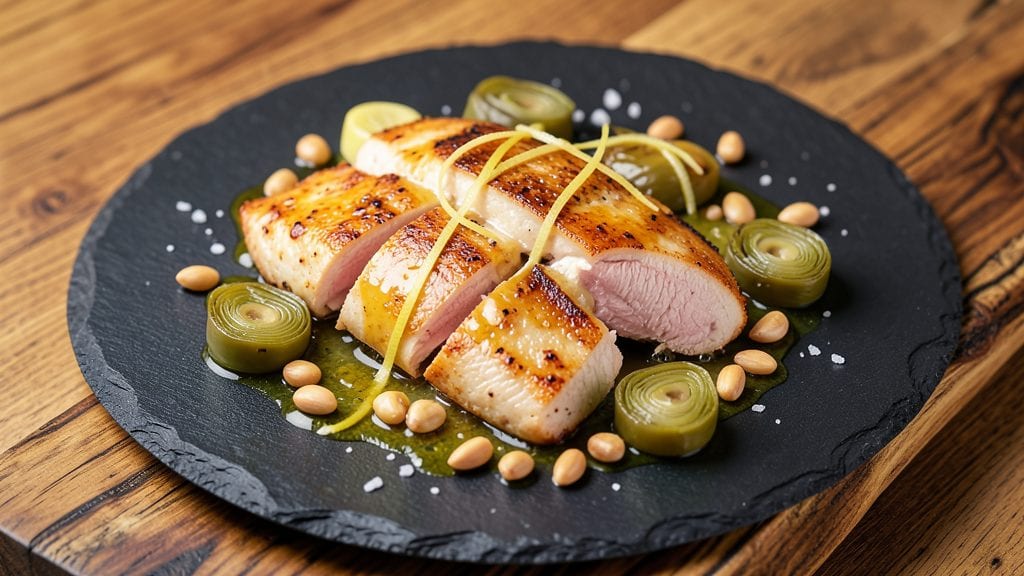
This chicken piccata with artichoke hearts delivers a restaurant-quality dish that balances bright lemon, briny capers, and tender artichokes in every bite. The secret lies in properly searing the chicken for crispy edges while keeping the centers juicy, then finishing with a velvety sauce that coats everything perfectly.
I developed this recipe after years of perfecting the sauce-to-chicken ratio—too much liquid ruins the texture, but just enough creates that signature velvety sheen.
The artichoke hearts add a welcome texture contrast to the dish, their tender yet slightly chewy bite cutting through the rich sauce.
What makes this recipe stand out is the sauce itself—a harmonious blend of lemon juice, white wine, capers, and butter that simmers until it reaches that perfect balance between tangy and rich.
The key is reducing the sauce just until it thickens enough to cling to the chicken without overwhelming it.
By the time you serve this dish, you'll have golden-brown chicken with crispy edges, artichoke hearts that stay tender, and a sauce that's bright enough to cut through the richness yet creamy enough to coat every bite.
The final garnish of fresh parsley and lemon wedges adds a pop of color and freshness that makes the dish look as impressive as it tastes.
This recipe works equally well for weeknight dinners or special occasions—just adjust the serving size accordingly. The technique is straightforward, but the results are anything but basic. Let's get cooking!
Ingredients for chicken piccata with artichoke hearts
Bright lemon, briny capers, and tender artichokes—just these ingredients transform simple chicken into restaurant-worthy piccata.
| Ingredient | Amount | Notes |
|---|---|---|
| Boneless, Skinless Chicken Breasts 🍗 | 1 ½ lb | Pounded to even thickness |
| Marinated Artichoke Hearts 🍠 | 14 oz | Drained and patted dry |
| Unsalted Butter 🧈 | ½ cup | Cold, cubed for sauce |
| All-Purpose Flour 🌾 | ¼ cup | For dredging chicken |
| Fresh Lemon Juice 🍋 | ½ cup | From 2-3 lemons |
| Dry White Wine 🍷 | ½ cup | Sauvignon Blanc preferred |
| Capers 🧂 | ¼ cup | Rinsed and drained |
| Fresh Parsley 🌿 | ¼ cup | Chopped, for garnish |
| Garlic Cloves 🧄 | 4 cloves | Minced for sauce |
| Kosher Salt 🧂 | 1 ½ tsp | For seasoning chicken |
| Ground Black Pepper 🌶️ | ½ tsp | Freshly cracked |
| Extra-Virgin Olive Oil 🫒 | 2 tbsp | For searing chicken |
| Lemon Zest 🍋 | 1 tbsp | From 1 lemon |
The chicken is your foundation, so choose plump, evenly sized breasts from the deli counter—they cook more consistently. Pound them to an even ¼-inch thickness (use a meat mallet or rolling pin) for perfect doneness. Trader Joe's or Whole Foods carry high-quality chicken, but any reputable grocery store's fresh cut will work. For the artichoke hearts, marinated in oil is ideal—they stay tender and add that signature briny note. Drain them well before using, or the sauce will thin out. The capers should be bright green and plump, not shriveled or discolored—Penzeys or Trader Joe's carry excellent quality in small jars.
No white wine? Substitute chicken broth—just reduce it slightly longer to concentrate the flavor. Fresh lemon juice is non-negotiable for that bright tang, but if you're short, bottled lemon juice (like ReaLemon) works in a pinch. The parsley can be swapped for chives or basil if needed, though parsley's clean flavor complements the dish best. For the butter, unsalted is crucial—it lets the other flavors shine. If you're using low-fat butter, add an extra pinch of salt to balance. The flour is just for dredging, but almond flour can be used for a gluten-free option (though the sauce will be slightly lighter).
The sauce thickens quickly, so keep it at a gentle simmer—just until it coats the back of a spoon. If it separates, whisk in 1 tsp cold water to emulsify. Store leftovers in an airtight container for up to 3 days in the fridge, though the chicken reheats best within 2 days. For make-ahead prep, cook the chicken and sauce separately, then combine before serving. The artichoke hearts can be prepped ahead and stored in their marinade for up to 5 days. The lemon zest and fresh parsley should be added just before serving to preserve their brightness.
Why You'll Love This Recipe
- Five-Ingredient Magic: I swear by this recipe because it’s all about the marinated artichoke hearts—no chopping, no fuss, just pop them straight from the jar into the pan. The chicken? Pounded thin, coated in flour, and seared in butter until golden—crispy edges, tender inside. That’s it. No overcomplicating.
- Bright & Tangy: The lemon juice doesn’t just sit there—it cuts through the richness of the butter, waking up every bite with that sharp, citrusy punch. Honestly, the artichokes add this weirdly luxurious texture, like a little Mediterranean hug in every forkful. (Yes, even on a Tuesday night.)
- Weeknight to Dinner Party: This dish is my go-to when I need something that feels special but doesn’t require a 3-course menu. Serve it over pasta for a quick weeknight meal, or plate it with crusty bread and a simple salad for guests—it’s fancy enough to impress, but zero stress.
- Leftovers That Don’t Suck: Most piccata leftovers turn into sad, dry chicken. Not this one. The artichokes keep the dish bright, and the lemon-butter sauce reheats like a dream. I’ll often toss it into grain bowls the next day or slice it cold for sandwiches—no one ever complains.
Step-by-step instructions for chicken piccata with artichoke hearts
This method delivers restaurant-quality chicken piccata with a perfectly balanced sauce that marries bright lemon with briny capers.
Prepare the Chicken and Artichokes
Begin by pounding the 1.5 lb boneless, skinless chicken breasts to an even ½-inch thickness between two sheets of plastic wrap using a meat mallet. This ensures even cooking. Pat the chicken dry with paper towels and season both sides generously with 1.5 tsp kosher salt and 0.5 tsp freshly cracked black pepper. Let it sit at room temperature for 15 minutes while you prepare the artichokes.
Drain the 14 oz marinated artichoke hearts and pat them completely dry with paper towels. This step is crucial—the moisture will prevent the artichokes from absorbing the sauce properly. Chop ¼ cup fresh parsley finely and set aside for garnish. Minced 4 cloves garlic and zest 1 tbsp lemon zest—these will form the aromatic base of your sauce.
Dredge and Sear the Chicken
Heat 2 tbsp extra-virgin olive oil in a large skillet over medium-high heat until shimmering. Dredge each chicken breast lightly in ¼ cup all-purpose flour, shaking off any excess. Place the chicken in the hot oil and cook undisturbed for 3-4 minutes per side until golden brown and cooked through to an internal temperature of 165°F. Transfer the chicken to a plate and tent loosely with foil to keep warm.
Don't overcrowd the pan—this prevents proper browning. If you need to cook in batches, wipe out the skillet between batches to maintain high heat. The chicken should release easily from the pan when ready to flip, indicating it's developed a good crust.
Build the Lemon-Caper Sauce
Reduce heat to medium and add ½ cup cold cubed unsalted butter to the same skillet. Let it melt completely, then add the minced 4 cloves garlic and cook for 30 seconds until fragrant. Pour in ½ cup dry white wine and scrape up any browned bits from the bottom of the pan with a wooden spoon—this creates the rich, flavorful base.
Simmer the wine for 2-3 minutes until reduced by half. Add ½ cup fresh lemon juice, ¼ cup rinsed capers, and 1 tbsp lemon zest. Stir and let the sauce simmer gently for 3-4 minutes until slightly thickened. The sauce should coat the back of a spoon but still be pourable. If it thickens too much, whisk in 1-2 tablespoons of water to reach your desired consistency.
Finish and Serve
Return the chicken to the skillet and spoon the sauce evenly over the top. Let it simmer together for 1-2 minutes to heat through and allow the chicken to absorb the sauce. Add the drained artichoke hearts to the skillet and toss gently to coat them in the sauce. The artichokes should warm through in just 1-2 minutes—they're pre-cooked, so don't overcook them.
Transfer the chicken and artichokes to a serving platter, spooning the sauce over the top. Garnish generously with the chopped ¼ cup fresh parsley. Serve immediately over mashed potatoes, crusty bread, or a simple arugula salad to balance the rich, briny flavors. The dish should be vibrant with bright lemon notes, salty capers, and tender chicken.
Pro Tips For Making Chicken Piccata With Artichoke Hearts
- Pound Chicken Evenly: Thin breasts to ½-inch thickness or they’ll steam instead of sear—use a meat mallet or rolling pin. I learned this the hard way when my piccata came out dry; consistent thickness guarantees perfect doneness every time.
- Drain Artichokes Well: Pat marinated artichoke hearts dry with paper towels before adding them to the pan—wet artichokes will splash and dilute the sauce. Sounds tedious, but it keeps the lemon-butter sauce glossy and rich.
- Skip the Overcrowding: Cook chicken in batches if needed—overcrowding the pan lowers the temperature and turns your sear into a sad, greasy simmer. A hot pan is non-negotiable for that golden crust.
- Deglaze with Cold Lemon: Pour in the lemon juice after removing the chicken from the pan—this prevents curdling and keeps the sauce bright. Add a splash of cold water or broth if needed to loosen the browned bits; it makes all the difference.
Flavor customization for these flavors
Tangy Twist
For a brighter, more acidic profile, add 1 extra tablespoon of fresh lemon juice and ½ teaspoon of lemon zest to the sauce. I also recommend substituting 2 tablespoons of white wine vinegar for part of the wine—just reduce it longer to concentrate the flavor.
This variation works especially well if you're serving with creamy sides like mashed potatoes or risotto. 💛
Herb-Infused Depth
Swap the parsley garnish for 2 tablespoons of finely chopped fresh tarragon or thyme—both add an earthy complexity that pairs beautifully with the lemon and capers.
For an extra aromatic boost, infuse the butter with 1 teaspoon of dried herbs (like thyme or rosemary) while it melts in the skillet. This subtle change transforms the sauce into a more fragrant, layered experience.
Spicy Kick
If you love heat, stir in ½ teaspoon of red pepper flakes or 1 teaspoon of hot sauce (like Cholula) into the finished sauce. For a smoother heat, add ½ teaspoon of cayenne pepper to the flour dredge before searing the chicken.
The capers and lemon will balance the spice beautifully, creating a dynamic flavor profile. 🌶️
Creamy Variation
For a richer texture, stir in 2 tablespoons of heavy cream or ¼ cup of crème fraîche at the end while the sauce simmers. This adds a velvety quality that contrasts with the bright lemon and briny capers.
I recommend using crème fraîche for a tangy twist—it’s lighter than sour cream but still lends a luxurious mouthfeel.
Umami Boost
To deepen the sauce's complexity, add 1 teaspoon of soy sauce or ½ teaspoon of fish sauce when you incorporate the lemon juice and capers. This subtle umami note enhances the dish without overpowering it. For a vegetarian-friendly option, use 1 teaspoon of mushroom powder (like Better Than Bouillon) instead.
Sweet Contrast
Balance the briny and tangy flavors with a touch of sweetness by adding 1 teaspoon of honey or ½ teaspoon of maple syrup to the sauce. This works especially well if you’re serving the dish with a side of roasted vegetables or a simple salad.
The sweetness will make the capers and lemon shine even brighter. 🍯
Nutrition facts
Frequently asked questions
Can I use chicken thighs instead of breasts for this recipe?
Yes, but adjust the cooking time! Chicken thighs have more fat and connective tissue, so they'll take about 5-7 minutes per side over medium heat to reach 165°F internally. Skin-on thighs add extra flavor, but remove the skin before dredging to prevent excess grease in the sauce. For best results, pat them very dry and increase your flour dredge by 2 tablespoons to help crisp the skin.
What if I don't have white wine for the sauce?
No problem! Use ½ cup chicken broth or ½ cup apple cider vinegar instead. For vinegar, reduce it longer (about 4-5 minutes) to concentrate the flavor. If using broth, add ½ teaspoon of lemon juice to compensate for the lack of acidity. The texture will be slightly thinner, but the bright lemon and capers will still shine through.
How do I prevent the artichoke hearts from getting soggy?
Drying them thoroughly is key! After draining, pat them with paper towels for at least 2 minutes, pressing firmly to remove all moisture. For extra insurance, toss them in 1 teaspoon of flour before adding to the skillet. Also, add them to the pan just 1-2 minutes before serving—overcooking will turn them mushy. The sauce should coat them quickly without steaming.
Can I make this recipe ahead of time?
but separate the components. Cook the chicken and sauce separately, then store them in airtight containers in the fridge for up to 3 days. Reheat the chicken gently in a skillet with a splash of water or broth, then warm the sauce on the stove. Recombine everything just before serving and add fresh parsley to keep it vibrant. The artichokes can be prepped ahead and stored in their marinade for 5 days.
What's the best way to reheat leftovers?
For the chicken, warm it in a skillet over medium-low heat with 1 tablespoon of butter or olive oil for 2-3 minutes per side. Add a splash of water or broth to prevent drying. Reheat the sauce separately over low heat, stirring constantly until warmed through. Never microwave—it makes the sauce watery and the chicken rubbery. Combine everything just before serving for the best texture.