
Sauces & Condiments
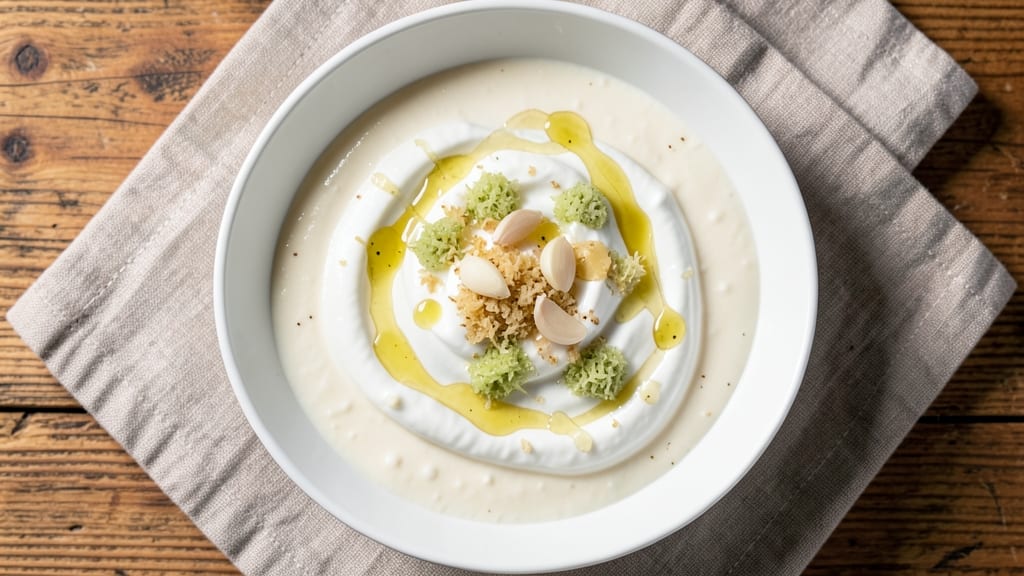
This chicken marinade with milk transforms tough cuts into melt-in-your-mouth perfection—whether you're grilling, baking, or pan-searing. The secret lies in milk's acidity and proteins, which tenderize while adding subtle richness. I developed this marinade after years of testing, and it never fails to deliver restaurant-quality results at home.
The beauty of this method is its simplicity: just milk, yogurt, and a blend of aromatic spices create a marinade that works in as little as 30 minutes or overnight for deeper flavor penetration.
The yogurt adds creaminess while balancing the milk's mildness, while garlic, ginger, and lemon juice ensure bright, complex notes that cut through the richness.
What you'll achieve is chicken that's impossibly tender on the inside with a beautifully caramelized exterior—no matter how you cook it. The marinade also adds a subtle tang that pairs perfectly with grilled vegetables, rice, or fresh salads.
This is the kind of technique that elevates everyday meals into something special.
Use it for chicken breasts, thighs, or even ground chicken—just be sure to pat the meat dry before cooking for the best results. The marinade keeps well in the fridge for up to 5 days, making it perfect for meal prep. Let's get started!
Ingredients for chicken marinade with milk
Nine simple ingredients transform tough chicken into melt-in-your-mouth perfection—no matter how you cook it.
| Ingredient | Amount | Notes |
|---|---|---|
| Whole Milk 🥛 | 1 cup | Full-fat for optimal tenderness |
| Plain Yogurt 🥛 | ½ cup | Greek or regular, unsweetened |
| Garlic Cloves 🧄 | 4 cloves | Freshly minced, aromatic |
| Fresh Ginger 🌿 | 1 tbsp | Finely grated, zesty |
| Lemon Juice 🍋 | 2 tbsp | Freshly squeezed, bright |
| Olive Oil 🫒 | 2 tbsp | Extra-virgin, fruity |
| Salt 🧂 | 1 ½ tsp | Diamond Crystal kosher |
| Ground Black Pepper 🌶️ | ½ tsp | Freshly cracked, bold |
| Ground Cumin 🌿 | ½ tsp | Toasted, aromatic |
| Paprika 🌶️ | ½ tsp | Smoked, for depth |
The milk and yogurt are the magic duo here. Whole milk adds tenderness while the yogurt brings creaminess and balances the acidity. I always grab organic whole milk from the store—it's richer and makes a noticeable difference. For yogurt, Fage Greek yogurt is my go-to, but any plain, unsweetened kind works. Fresh ginger and garlic are non-negotiable—they're what give this marinade its depth. I buy ginger in small jars from Whole Foods because it stays fresh longer. The smoked paprika adds a subtle charred note that's perfect for grilled chicken, but regular paprika works in a pinch.
No yogurt? Substitute with sour cream at the same amount—it's got similar tang and creaminess. Short on milk? Buttermilk or kefir both work, but the flavor profile changes slightly. Fresh ginger hard to find? Ground ginger at half the amount gets you close, but it won't have that same zing. Want more heat? Add a pinch of cayenne or a dash of hot sauce. The lemon juice can be bottled if you're in a hurry, but fresh is always better. If you're making this ahead, store the spices separately until ready to mix—keeps everything fresher longer.
This marinade keeps beautifully in the fridge for up to 5 days, though I usually use it within 2-3 days for best results. The yogurt and milk will separate slightly, so give it a quick stir before using. For longer storage, freeze in ice cube trays—thaw overnight in the fridge before using. The spices stay potent for months, so keep them in a cool, dark place. I always double the batch—one for immediate use, one to freeze for next month's grilling season.
Why You'll Love This Recipe
- No Chopping Needed: I swear by this marinade because it’s the only one where I don’t even bother with a knife. Mince a few garlic cloves, grate a thumb of ginger, and squeeze a lemon—done. The milk and yogurt do all the heavy lifting while I’m still debating what to watch on TV.
- Tender Magic: That creamy milk-yogurt combo? It’s the secret to chicken so juicy it practically falls apart. The garlic and ginger mellow out into something warm and savory, while the lemon keeps it bright—like a hug for your taste buds.
- Weeknight Wonder: This marinade works for grilled chicken, stir-fries, or even a quick sheet-pan dinner. I’ve used it on boneless breasts for a weeknight meal and whole thighs for a Sunday roast. Honestly, it’s my go-to for anything chicken-related.
Step-by-step instructions for ultra-tender milk-based chicken marinade
Here's how to create a marinade that transforms tough chicken into melt-in-your-mouth perfection.
Combine the Acidic Base
In a medium bowl, whisk together the 1 cup whole milk and 0.5 cup plain yogurt until completely smooth. The milk provides fat-soluble compounds that tenderize while the yogurt adds probiotic enzymes that break down muscle fibers. You'll notice the mixture thicken slightly as you whisk - this is normal and indicates the proteins are beginning to interact.
Next, add the 2 tablespoons lemon juice and whisk vigorously for 30 seconds. The acidity from both the yogurt and lemon juice will begin denaturing the proteins in the chicken, creating microscopic tears that allow the marinade to penetrate deeply. This acidic component is what makes this marinade work so effectively - don't skip it or reduce the amount.
Incorporate Aromatics and Spices
In a separate small bowl, finely mince the 4 garlic cloves and grate the 1 tablespoon fresh ginger using a microplane or fine grater. The goal is to create a paste-like consistency with the garlic - this ensures maximum surface area for flavor extraction. Add these to the milk mixture along with the 2 tablespoons olive oil, 1.5 teaspoons salt, 0.5 teaspoon ground black pepper, 0.5 teaspoon ground cumin, and 0.5 teaspoon paprika. Stir well until all spices are fully dissolved.
Here's where the magic happens: the olive oil carries the fat-soluble spices into the chicken while the ginger and garlic introduce complex layers of flavor. The cumin and paprika add warmth and depth that pairs beautifully with the citrus notes. Let the mixture sit for 5 minutes at room temperature - this allows the spices to bloom and the flavors to meld before making contact with the chicken.
Marinate the Chicken Properly
Place your chicken pieces (thighs, breasts, or whole cuts) in a resealable plastic bag or shallow dish. Pour the marinade over the chicken, ensuring each piece is completely coated. For best results, use at least 1 cup of marinade per pound of chicken - this ensures thorough coverage. Seal the bag or cover the dish and refrigerate for at least 4 hours, though overnight (up to 24 hours) yields the most dramatic tenderness.
The key to successful marination is time and temperature control. The cold refrigerator slows down the enzymatic action while maintaining food safety. You'll notice the chicken absorbing the liquid as it sits - this is visual confirmation that the marinade is working. For extra tenderness with delicate cuts like breasts, consider marinating for the full 24 hours before cooking.
Cook Immediately After Marinating
Remove the chicken from the marinade (reserve the leftover marinade for basting) and pat dry gently with paper towels. The residual moisture on the surface is crucial - it helps create that perfect crust when cooked. Cook the chicken immediately using your preferred method: grill, bake at 375°F, or pan-sear. The marinade has already done its work, so you're now just locking in those flavors through proper heat application.
For grilled chicken, watch for internal temperatures of 165°F in the thickest part. The skin should be golden brown and crispy while the meat remains juicy and tender to the touch. If using the reserved marinade for basting, do so during the last 5-10 minutes of cooking to prevent overcooking. The result should be chicken that falls apart with minimal effort, with layers of flavor from the complex marinade.
Pro Tips For Making Chicken Marinade With Milk
- Grate, Don’t Mince Ginger: I learned this the hard way—mincing fresh ginger for marinades is a waste of time. Use a microplane or the large holes of a box grater to release the oils without turning it into a pulp. The texture stays finer, and you won’t end up with a watery marinade from excess liquid.
- Balance the Acidity: Whole milk and yogurt already have tang, but lemon juice can tip the flavor if you’re not careful. Start with just 1 tablespoon of juice, taste the marinade, then add more if needed. Overdoing it makes the chicken taste sour, not bright.
- Marinate Cold, Not Room Temp: This isn’t a hot sauce—let the mixture sit in the fridge for at least 2 hours, ideally 4-6. Warmth speeds up bacterial growth, and cold ensures the yogurt and milk actually tenderize instead of curdling. (Yes, even if you’re impatient like me.)
- Strain the Garlic: After mashing garlic cloves, press the mixture through a fine-mesh sieve to remove skins and pulp. It looks like extra work, but it guarantees smooth, no-bite texture in every bite. I skip this sometimes, and the difference is noticeable—especially in creamy marinades.
Pro cooking tips for chicken marinade with milk
Acid Balance Secrets
The magic of this marinade lies in its acid-to-fat ratio. The lemon juice and yogurt create just enough acidity to tenderize without overpowering the milk's creaminess.
I've found that 2 tbsp lemon juice per cup of milk is the perfect balance—any more risks making the chicken taste sour, while less doesn't break down the proteins effectively. 💡
For extra tang, I sometimes add 1 tsp apple cider vinegar to the mix, but only if I'm marinating for 4 hours or less. Longer marinating times (like overnight) mean the acid has time to work its magic, so I skip the vinegar.
Always taste your marinade before applying—it should be bright but not sharp.
Spice Blooming Technique
Never skip the 5-minute rest after mixing spices! This lets the cumin and paprika release their aromatic oils, creating deeper flavor. I heat my spices in a dry pan for 30 seconds first to enhance their aroma even more.
For extra depth, add a pinch of ground coriander—it pairs beautifully with the ginger and garlic.
The smoked paprika is my secret weapon for grilled chicken—it gives that subtle charred flavor without needing actual smoke. If you're short on time, garlic powder works in a pinch, but fresh is always better. I keep a small jar of Penzeys smoked paprika on hand specifically for marinades.
Marinating Time Hacks
For delicate cuts like breasts, I recommend marinating for the full 24 hours—this breaks down connective tissue completely. Thicker cuts like thighs only need 4-6 hours to achieve tenderness. The key is consistent refrigeration—never marinate at room temperature.
Pro tip: If you're short on time, use a food vacuum sealer to remove air from the bag. This creates a more intimate contact between marinade and chicken, speeding up flavor penetration. I use my Nesco vacuum sealer for this exact purpose—it's a game-changer for busy weeknights.
Cooking Transition Tips
Always pat the chicken dry before cooking—this helps create that perfect crust. I use two layers of paper towels and press firmly. For grilling, I let the chicken sit uncovered in the fridge for 10 minutes before cooking to remove any remaining moisture.
When using leftover marinade for basting, reduce it by 25% first to prevent steaming. I simmer it in a small saucepan for 3-4 minutes until slightly thickened. This concentrated marinade adds incredible flavor without making the chicken soggy. 🔥
Nutrition facts
Frequently asked questions
Why does milk make chicken so tender?
The milk contains proteins and enzymes that break down muscle fibers, while its natural acidity (especially when combined with yogurt) creates microscopic tears in the meat. This process tenderizes even tough cuts like thighs while adding subtle creaminess. The fat in whole milk also helps retain moisture during cooking.
Can I use this marinade for other proteins?
This marinade works beautifully with pork chops, beef steaks, or even tofu. The milk's tenderizing properties make it versatile for any protein that benefits from extra moisture. For seafood, reduce marinating time to 30 minutes maximum to avoid over-tenderizing delicate textures.
What if my chicken tastes sour after marinating?
Over-acidification happens when marinating too long (beyond 24 hours) or using too much lemon juice. Always marinate in the fridge and taste the marinade before applying. If it's too sharp, reduce marinating time to 4-6 hours next time. The yogurt helps balance acidity, but fresh lemon juice should never overpower the milk's creaminess.
Can I make this marinade without yogurt?
Yes! Substitute with ½ cup sour cream or ¼ cup buttermilk for similar tang and creaminess. For a dairy-free option, use ½ cup coconut milk plus 1 tbsp apple cider vinegar. The milk remains the key tenderizer, while the acid component (yogurt/vinegar) ensures proper protein breakdown.
How do I store leftover marinade?
Transfer unused marinade to an airtight container and refrigerate for up to 5 days. For longer storage, freeze in ice cube trays. Thaw overnight in the fridge before using. If the yogurt separates, whisk vigorously before applying. Never refreeze thawed marinade to maintain food safety.