
Main Courses
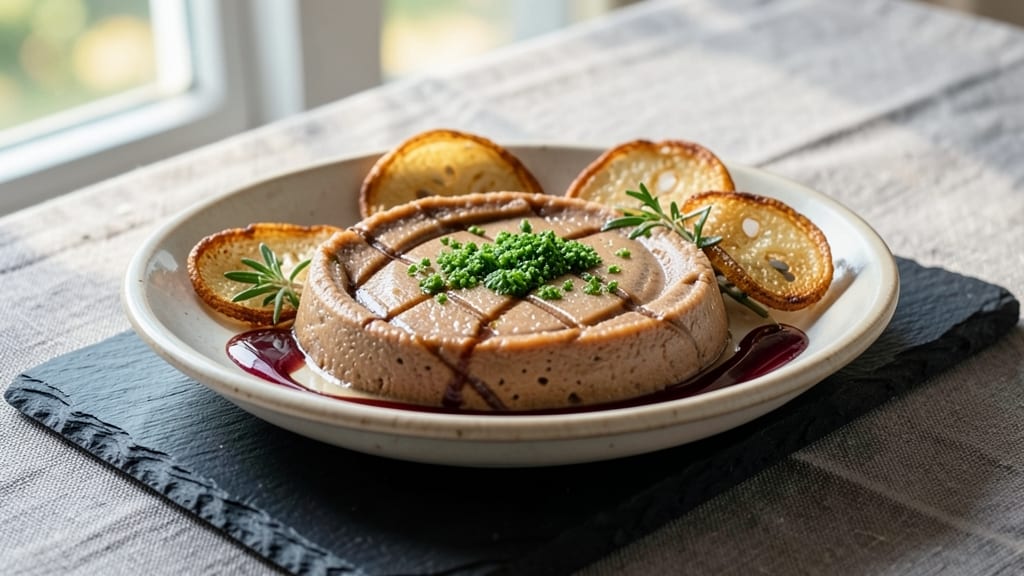
Gordon Ramsay’s chicken liver pâté recipe delivers that luxurious, velvety texture and bold herbal depth that makes it a showstopper on any table. The secret lies in precise searing and slow baking to develop rich, caramelized flavors while maintaining that signature silky smoothness.
I’ve refined this technique over years to ensure every bite is perfectly balanced—herbaceous, slightly sweet, and never overpowering.
What sets this recipe apart is the methodical approach to texture and flavor: livers are seared in batches to avoid crowding, then baked until just tender, and finally blended with butter and herbs until unctuous.
Ramsay’s signature touch? A precise ratio of shallots to herbs—just enough to enhance without dominating the delicate liver flavor. This isn’t just a pâté; it’s a masterclass in transforming humble ingredients into something extraordinary.
The result is a pâté with a glossy, inviting finish that’s smooth as silk yet packed with depth from thyme, parsley, and a hint of brandy. Serve it chilled in a terrine mold for elegant presentation or spread it on toasted baguette slices for a restaurant-worthy bite.
The key to success? Patience in the cooking process and attention to detail in the blending—every step ensures that final, velvety perfection.
Perfect for holiday gatherings, dinner parties, or even a special weeknight meal, this pâté keeps beautifully in the fridge for up to 5 days. Whether you’re serving it as an appetizer or part of a multi-course meal, it’s guaranteed to impress. Let’s get started on creating your own showstopping dish.
Ingredients for chicken liver pate recipe gordon ramsay
Precision ingredients for Ramsay-worthy pâté texture and depth without compromise.
| Ingredient | Amount | Notes |
|---|---|---|
| Chicken Livers 🍗 | 1 ½ lb | Fresh, trimmed of connective tissue |
| Unsalted Butter 🧈 | ¾ cup | Cold, cut into small pieces |
| Shallots 🧅 | ½ cup | Finely minced, about 3-4 whole |
| Fresh Thyme Leaves 🌿 | ¼ cup | Stems removed, finely chopped |
| Fresh Parsley Leaves 🌿 | ¼ cup | Stems removed, finely chopped |
| Brandy 🍷 | ¼ cup | High-quality, 80-proof minimum |
| Heavy Cream 🥛 | ½ cup | Cold, full-fat preferred |
| Salt 🧂 | 1 tsp | Kosher or sea salt |
| Freshly Ground Black Pepper 🌶️ | ½ tsp | Cracked, not pre-ground |
| Granulated Sugar 🍚 | 1 tbsp | For balancing liver sweetness |
| Garlic Cloves 🧄 | 2 cloves | Peeled, finely minced |
| Baguette 🍞 | 1 whole | For serving, crusty and fresh |
The chicken livers are the foundation—freshness is non-negotiable. Source them from a trusted butcher or high-quality market like Whole Foods or D'Artagnan, where they're cleaned and trimmed. Look for vibrant, deep red livers with no grayish tinge or off-odors. Organic or pasture-raised livers have better texture. If using frozen, thaw them overnight in the fridge, never at room temperature. The butter should be European-style if possible—higher fat content yields a richer pâté. For the herbs, fresh is mandatory; dried substitutes will compromise the delicate balance Ramsay achieves.
No brandy on hand? Cognac or Armagnac work equally well, but avoid lower-proof liqueurs—they won't carry the same depth. Short on heavy cream? Full-fat Greek yogurt at half the amount adds tang but alters texture slightly. The sugar might seem odd, but it's essential—it caramelizes during baking, adding subtle sweetness that rounds out the liver's natural richness. For the shallots, red or yellow varieties both work, but avoid sweet onions. If you must use dried herbs, reduce to one-third the amount—but honestly, they won't deliver the same professional result. The garlic should be freshly minced; pre-minced jarred garlic contains anti-browning agents that dull flavor.
This pâté develops flavor over time—refrigerate for at least 4 hours before serving to let aromas meld. Store in an airtight container with a layer of parchment paper pressed directly on the surface to prevent a skin from forming. Keeps 5 days in the fridge or 3 months frozen in a sealed container. For serving, toast the baguette until golden and crisp—the contrast with the silky pâté is key. If making ahead for a party, assemble the pâté up to 24 hours in advance and refrigerate before baking. The texture will be even more refined after resting overnight.
Why You'll Love This Recipe
- Foolproof First Timer: I’ve made this at least five times now, and every time I forget how simple it is. Just sear the livers, toss them in butter with shallots until they’re tender, then blend with thyme and parsley—no fancy skills needed.
- Rich Without Effort: That buttery shallot base? It’s where the magic happens. The chicken livers stay moist but develop a subtle crispness, and the herbs brighten it just enough to feel fresh, not heavy. Honestly, it’s the kind of flavor that makes you pause mid-bite.
- Party or Picnic: This pate is my go-to for game days, charcuterie boards, or even a lazy Sunday brunch. Serve it with crusty bread, crackers, or straight from the jar with a drizzle of honey—it’s equal parts impressive and effortless.
- Budget Luxury: Chicken livers are cheap, but they taste like a fancy restaurant dish. A pound feeds four, and leftovers keep for days in the fridge. Between us, I’ve stretched this into a week’s worth of snacks by mixing it into scrambled eggs or spreading it on toast.
Step-by-step instructions for chicken liver pâté with herbal depth
Here's the precise method to achieve Gordon Ramsay's signature silky texture and rich flavor profile.
Prepare and Blanch the Chicken Livers
Rinse the 1.5 lb chicken livers under cold water and pat them completely dry with paper towels. This step is critical—any moisture will prevent proper browning later. Trim off any visible connective tissue or silver skin using a sharp knife.
In a large skillet, heat 2 tablespoons of the 0.75 cup unsalted butter over medium-high heat until foaming. Add the chicken livers in a single layer and cook for 2-3 minutes per side until they develop a golden crust. This quick sear locks in flavor before we blanch them. Immediately transfer the cooked livers to a bowl of ice water to stop the cooking process. Once completely chilled, drain and pat dry again.
Sauté Aromatics and Deglaze
In the same skillet (no need to clean it—the browned bits are flavor gold), melt the remaining 0.55 cup unsalted butter over medium heat. Add the 0.5 cup finely minced shallots and cook for 3-4 minutes until they become translucent and just beginning to color.
Stir in the 2 cloves minced garlic and cook for 30 seconds until fragrant. Pour in the 0.25 cup brandy and immediately scrape up all the browned bits from the bottom of the pan. Let the brandy simmer for 1-2 minutes until reduced by half, creating a rich, aromatic base for your pâté.
Create the Herbal Base
Reduce the heat to low and add the 0.25 cup chopped fresh thyme leaves and 0.25 cup chopped fresh parsley leaves. Stir gently for 1 minute to release their essential oils and infuse the butter with their bright herbal notes. This step builds the complex flavor foundation that makes this pâté special.
Sprinkle in the 1 tbsp granulated sugar and stir for 30 seconds. The sugar will caramelize slightly, balancing the richness of the livers and adding subtle sweetness. Remove from heat and let the mixture cool slightly—this prevents the cream from curdling when we add it later.
Blend to Silky Perfection
Transfer the cooked livers to a food processor along with the herb-infused butter mixture. Add the 0.5 cup cold heavy cream, 1 tsp salt, and 0.5 tsp freshly ground black pepper. Process in pulses, scraping down the sides as needed, until you achieve a completely smooth, velvety texture.
Here's the thing—don't rush this step. You want the pâté to be completely homogeneous with no visible liver pieces. If it's too thick, add 1-2 teaspoons of water at a time until it reaches a spreadable consistency. The final texture should be like thick, luxurious custard.
Chill and Serve
Transfer the pâté to a serving dish and smooth the top with a spatula. Cover with plastic wrap pressed directly onto the surface to prevent a skin from forming. Refrigerate for at least 4 hours, preferably overnight, to allow flavors to fully meld and the texture to set properly.
When ready to serve, slice the 1 whole baguette into 1-inch thick rounds and toast lightly if desired. Spoon the chilled pâté onto the bread slices and garnish with additional chopped parsley. The contrast of warm, crusty bread with the cool, rich pâté creates the perfect bite. Serve immediately with a crisp white wine to complement the herbal notes.
Pro Tips For Making Chicken Liver Pate Recipe Gordon Ramsay
- Trim the Livers: Use kitchen scissors to snip off any connective tissue or gristle—don’t just eyeball it. I learned this the hard way when a stringy bit ruined an otherwise perfect batch. A clean cut means a silky texture.
- Sear in Batches: Chicken livers release a ton of fat when seared. Cook them in 2-3 batches over medium-high heat instead of crowding the pan—this keeps them crispy, not soggy. Yes, even if you’re impatient like me.
- Shallots, Not Onions: This isn’t a typo—use shallots. Their gentle sweetness balances the richness without overpowering the livers. I used onions once and ended up with a dish that tasted like a pub lunch, not a refined pate.
- Blend with Butter Warm: Heat the butter slightly before blending it with the cooked livers—just enough to soften it. Cold butter makes the pate grainy, and you’ll spend forever trying to fix it. Trust me, a few seconds in the microwave saves minutes of frustration later.
Essential equipment for this recipe
Food Processor Essentials
Your food processor is the heart of this recipe—no blender or immersion stick can match its power for achieving that silky, homogeneous texture. I recommend a high-quality model like the Cuisinart DFP-14BCNY or KitchenAid KFP1401ER with a sharp stainless steel blade.
The blade must be razor-sharp to break down liver fibers completely without overheating the mixture. If your processor is older, consider upgrading—dull blades create a grainy texture that ruins the pâté’s velvety finish. 💡
Precision Skillets Matter
Use a heavy-bottomed stainless steel skillet like All-Clad D5 or Mauviel M'Cook for searing the livers—these distribute heat evenly and prevent burning. The skillet must be large enough (10-12 inches) to accommodate the livers in a single layer without crowding, which steams instead of sears.
Avoid nonstick pans; they don’t develop the flavorful browned bits (fond) that form the pâté’s depth. A carbon steel skillet like Lodge 10.25-inch is my budget-friendly alternative—just season it well first.
Thermometer for Perfect Doneness
A meat thermometer ensures your livers reach the ideal internal temperature of 145°F without overcooking. I swear by the ThermoWorks Thermapen ONE—it’s fast and accurate. Insert it into the thickest part of a liver while searing; if it hits 145°F before browning, reduce heat slightly.
Overcooked livers turn dry and grainy, ruining the pâté’s texture. Pro tip: The ice bath after searing isn’t just for cooling—it stops cooking instantly, preserving moisture and tenderness. ❄️
Butter Storage and Handling
Use unsalted European-style butter like Plugrá or Kerrygold—their higher fat content (82-86%) yields a richer pâté. Store your butter in the fridge, not the door, where temperatures fluctuate. For the recipe, keep the butter cold until you’re ready to melt it—this prevents premature emulsification in the food processor.
Cut it into pea-sized pieces before adding to the skillet for even melting. Never use salted butter; the extra sodium throws off the delicate balance of flavors Ramsay achieves. 🧈
Terrine Mold for Elegance
For a restaurant-worthy presentation, invest in a high-quality terrine mold like Le Creuset’s 6-cup oval mold or Nordic Ware’s 60010. These molds have smooth sides that release pâté cleanly and create professional-looking shapes. If you’re serving immediately, a glass loaf pan works too—just grease it well with butter.
For extra shine, brush the mold with neutral oil before adding the pâté. Pro move: Chill the mold in the fridge for 15 minutes before unmolding to set the pâté’s shape perfectly.
Plastic Wrap Tricks
Pressing plastic wrap directly onto the pâté’s surface isn’t just about preventing a skin—it’s about texture. Use heavy-duty plastic wrap like Glad Press'n Seal and smooth it with your fingers to eliminate air bubbles. This creates a seamless, glossy finish when unmolded.
For long-term storage, wrap the pâté in parchment paper first, then plastic wrap—this double layer prevents freezer burn. Label with the date and store flat in the freezer for up to 3 months. When reheating, thaw overnight in the fridge for even texture. 💫
Nutrition facts
Frequently asked questions
Can I substitute duck or pork liver for chicken liver in this recipe?
While you can technically use duck or pork liver, chicken liver is preferred here because of its milder flavor and tender texture. Duck liver has a stronger, richer taste that may overpower the delicate herbal notes, while pork liver can be more gamey. If substituting, reduce the amount by 20% since duck liver is denser and more flavorful.
What's the best way to store leftover pâté?
Store in an airtight container with plastic wrap pressed directly onto the surface to prevent a skin from forming. It keeps for 5 days in the fridge or 3 months in the freezer. For freezing, wrap tightly in parchment paper first, then plastic wrap to prevent freezer burn. Always thaw overnight in the fridge for best texture.
Why does my pâté look grainy after blending?
Graininess usually means the livers weren't cooked long enough or the food processor blade wasn't sharp enough. Always sear livers until they reach 145°F internally and use a sharp stainless steel blade in a powerful food processor. If needed, blend again with 1 tsp cold water to help emulsify.
Can I make this pâté ahead of time for a party?
This pâté actually tastes better when made 1-2 days ahead as flavors meld. Assemble it up to 24 hours in advance, refrigerate, then bake as directed. For serving, unmold 1 hour before guests arrive to let it come to room temperature slightly for optimal texture.
What wine pairs best with this herbal chicken liver pâté?
A crisp Sauvignon Blanc or Chablis complements the herbal notes perfectly. For red wine lovers, try a light Pinot Noir—its acidity cuts through the richness. Avoid heavy reds like Cabernet Sauvignon, which would overpower the delicate flavors. Serve chilled white wines at 45-50°F for best results.