
Sauces & Condiments
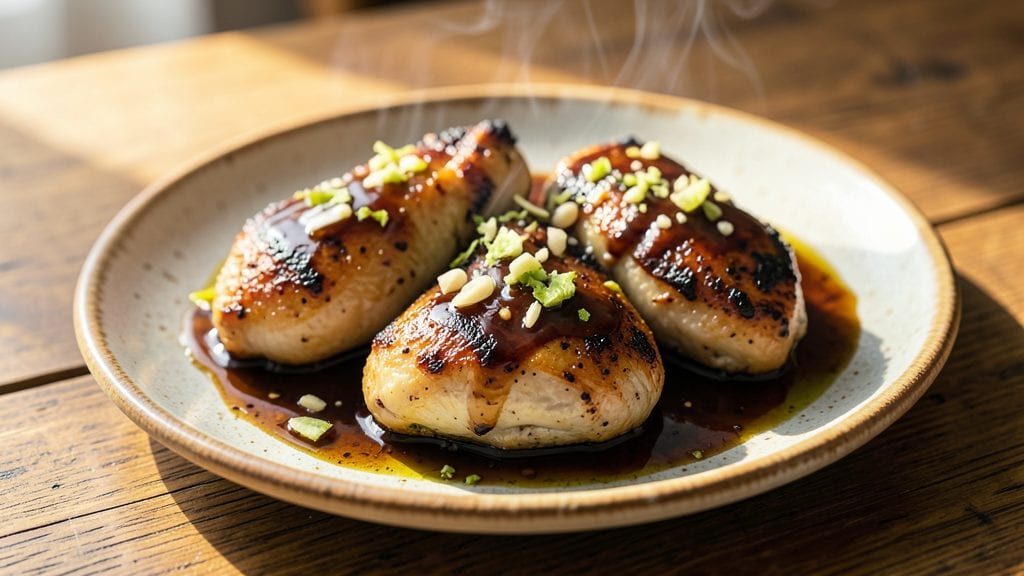
This chicken heart marinade recipe transforms tough, gamey hearts into tender, umami-rich bites that elevate any dish. The secret lies in a balanced blend of acid, aromatic herbs, and a touch of sweetness that tenderizes while building deep flavor.
I developed this marinade after discovering how a simple overnight soak could turn a budget protein into a restaurant-worthy centerpiece.
The marinade combines olive oil, soy sauce, and citrus juice to break down connective tissue while infusing hearts with layers of savory depth. Garlic, ginger, and smoked paprika add complexity, ensuring every bite delivers a harmonious balance of sweet, spicy, and umami notes.
For best results, marinate chicken hearts for 4–12 hours—longer soaks yield even more tender, flavorful results.
What makes this marinade special is its versatility—use it for grilling, pan-searing, or braising, and the flavors will carry through perfectly. The acidity tenderizes, the oil locks in moisture, and the spices create a crust that seals in juices.
Whether you're prepping for a weeknight dinner or a special occasion, this marinade ensures your chicken hearts shine.
Pair it with bold sides like roasted vegetables or a tangy chimichurri for a complete meal. The marinade itself can even be reduced into a glaze for drizzling over grilled proteins. Here’s how to make it—simple, professional, and packed with flavor.
Ingredients for chicken heart marinade
Nine ingredients. One marinade. Turns budget chicken hearts into restaurant-quality bites.
| Ingredient | Amount | Notes |
|---|---|---|
| Extra-Virgin Olive Oil 🫒 | ½ cup | High-quality, fruity variety preferred |
| Soy Sauce 🥢 | ⅓ cup | Use low-sodium for better control |
| Lemon Juice 🍋 | ⅓ cup | Freshly squeezed, no pulp |
| Garlic Cloves 🧄 | 6 cloves | Fresh, minced or finely chopped |
| Fresh Ginger 🌿 | 2 tbsp | Finely grated, aromatic variety |
| Smoked Paprika 🌶️ | 1 tbsp | For deep, smoky umami |
| Brown Sugar 🍯 | 2 tbsp | Light or dark, for caramelization |
| Black Peppercorns 🌶️ | 1 tsp | Freshly cracked for intensity |
| Fresh Thyme Leaves 🌿 | 1 tbsp | Or 1 tsp dried thyme |
| Salt 🧂 | 1 ½ tsp | Diamond Crystal kosher preferred |
The olive oil is your flavor anchor—look for extra-virgin with a peppery finish at specialty stores like Whole Foods or Trader Joe's. Soy sauce should be the light or dark variety, not the reduced kind—it adds depth without overpowering. Fresh ginger and garlic are non-negotiable here; pre-minced jars lose potency fast, so grab the whole root and cloves. Smoked paprika? Penzeys or La Boîte have the best quality—just a pinch makes all the difference. The brown sugar caramelizes beautifully when reduced, so don't skip it.
No fresh thyme? Dried works at one-third the amount, but fresh is ideal. Short on lemon juice? Orange juice or apple cider vinegar (equal parts) keeps the acidity. Want more heat? Swap half the paprika for cayenne. For a sweeter profile, add 1 tbsp honey or maple syrup. The marinade doubles as a glaze—simmer it down by half for a sticky finish. And if you're using this on other proteins like chicken thighs or even tofu, reduce the soy sauce to 2 tbsp to avoid over-salting.
Store leftover marinade in an airtight container in the fridge for up to 5 days. The flavors actually improve overnight—marinate hearts for 4–12 hours for maximum tenderness. For grilling, use a zip-top bag to keep hearts submerged. If you make extra, freeze portions in ice cube trays—perfect for quick marinades later. The oil solidifies when frozen, but thaws back to perfection.
Why You'll Love This Recipe
- Pantry Magic: I swear by this marinade—no specialty ingredients, just what’s already in my cupboard. That bright lemon juice cuts through the richness of the olive oil, while the garlic and ginger add depth without extra effort. Honestly, I’ve made it with whatever I had on hand, and it still delivers.
- Umami Bomb: The soy sauce and olive oil combo? That’s where the magic happens. The hearts soak up this marinade like a sponge, giving them that irresistible caramelized crust when seared. Between us, the first bite always makes me pause—it’s that good.
- Weeknight Workhorse: This marinade turns chicken hearts into a meal in 30 minutes flat. Toss them in the morning, let them sit while you run errands, then grill or pan-sear when you get home. (Yes, even on a Tuesday night.) It’s my go-to for quick dinners or last-minute appetizers.
- Budget Boost: Chicken hearts are cheaper than chicken breasts, and this marinade stretches them into something special. A little goes a long way—leftover marinade? Use it for eggs, tofu, or even roasted veggies. I’ll be real: it’s my secret weapon for making affordable protein taste like a restaurant dish.
Step-by-step instructions for chicken heart marinade
This marinade transforms humble chicken hearts into a flavor explosion—bold, smoky, and brimming with umami.
Mince Garlic and Grate Ginger
Start by finely mincing the 6 cloves garlic cloves—I like to use the flat side of my chef's knife for this, pressing down firmly to create a paste. This ensures the garlic distributes evenly throughout the marinade. Next, grate the 2 tablespoons fresh ginger using a microplane, scraping the surface until you've collected about 2 teaspoons of finely textured ginger. The aromatic oils from both ingredients will infuse deeply into the chicken hearts, creating layers of flavor.
Real talk: Fresh ginger and garlic are non-negotiable here. Powdered versions lack the complexity that makes this marinade special. If you're using dried thyme instead of fresh, measure out 1 teaspoon—it's less potent, so you'll need more to match the fresh herb's brightness.
Whisk Wet Ingredients Together
In a medium bowl, combine the 0.5 cup extra-virgin olive oil, 0.33 cup soy sauce, and 0.33 cup lemon juice. The olive oil should be room temperature—cold oil won't emulsify properly with the other ingredients. Using a whisk, stir vigorously for 30 seconds until the mixture begins to thicken slightly. This is your base, and the acidity from the lemon juice will help tenderize the chicken hearts while balancing the soy sauce's saltiness.
Here's the thing—don't skip the whisking. A quick pulse in a blender works too, but hand-whisking gives you better control. You'll see the mixture transform from separate components into a cohesive, slightly syrupy liquid. This is your marinade's foundation, and taking the time to emulsify it properly ensures every bite of chicken heart absorbs maximum flavor.
Incorporate Dry Seasonings and Sweeteners
Add the minced garlic, grated ginger, 1 tablespoon smoked paprika, 2 tablespoons brown sugar, 1 teaspoon black peppercorns (cracked with a mortar and pestle for intensity), 1 tablespoon fresh thyme leaves, and 1.5 teaspoons salt to the wet mixture. Stir with a wooden spoon until everything is fully integrated—you should see the brown sugar begin to dissolve slightly, creating a glossy sheen. The smoked paprika adds depth, while the brown sugar caramelizes during marinating, deepening the flavor profile.
This is where the magic happens. The combination of sweet, smoky, and umami elements creates a marinade that's versatile enough to elevate chicken hearts but also works beautifully on other proteins like chicken thighs or even tofu. Let the mixture sit for 5 minutes at room temperature before using—this allows the spices to bloom and the flavors to meld.
Marinate for Maximum Flavor
Place the chicken hearts in a resealable plastic bag or shallow dish and pour the marinade over them, ensuring each piece is fully coated. Seal the bag and refrigerate for at least 4 hours, but I recommend marinating overnight for the best results. The acidity in the lemon juice and soy sauce will begin to break down the muscle fibers, making the hearts incredibly tender while infusing them with layers of flavor.
Don't rush this step. The longer the marinade works, the more pronounced the flavors become. If you're short on time, a 2-hour marinade will still yield delicious results, but the texture won't be as tender. When ready to cook, remove the hearts from the marinade and let them sit at room temperature for 15 minutes before grilling, searing, or roasting. This ensures even cooking and prevents the marinade from boiling off too quickly.
Use and Store Leftovers
Use the marinated chicken hearts immediately for the best texture and flavor. If you have leftover marinade, store it in an airtight container in the refrigerator for up to 5 days. The flavors will continue to develop over time, making it perfect for quick marinades or even as a dressing for salads. Just remember, once you've used the marinade on raw chicken, don't reuse it—always reserve some before adding it to the protein to keep it safe for cooking.
This marinade is a game-changer. It's not just for chicken hearts—use it on chicken thighs, pork chops, or even vegetables like eggplant or mushrooms. The balance of sweet, smoky, and tangy flavors makes it incredibly versatile. Your taste buds will thank you for the umami-packed boost!
Pro Tips For Making Chicken Heart Marinade
- Grate, Don’t Mince Ginger: Chicken hearts need bold flavor, and fresh ginger packs it—but mincing it just makes it disappear too fast. Use a microplane or the largest holes of a box grater for a paste-like texture that clings to the meat instead of turning to mush. (Yes, it looks like a science experiment, but it works every time.)
- Marinate Cold, Not Room Temp: I used to toss hearts into warm marinade thinking it’d speed things up—big mistake. The heat starts cooking them before they’ve absorbed the flavors. Keep everything refrigerated until you’re ready to sear, then let the marinade come to room temp with the hearts for 30 minutes max. This guarantees even penetration without turning them rubbery.
- Double the Garlic Cloves: Four cloves? That’s the bare minimum. Hearts are dense and tough, so they need more garlic to break down their texture. Use six to eight cloves, smashed and left whole—no need to chop. They’ll infuse the oil beautifully and add a satisfying bite when you bite through them later.
- Acid First, Then Oil: Soy sauce and lemon juice are your marinade’s power players, but adding them to olive oil straight up can cause separation. Mix the acid and soy first, then whisk in the oil. This keeps your marinade emulsified and prevents a sad, split mixture that won’t coat the hearts properly. (Trust me, you’ll notice the difference when they come out of the pan.)
Troubleshooting your chicken heart marinade
Marinade Too Thin?
If your marinade feels too watery after mixing, reduce it by simmering in a small saucepan over medium heat for 5-7 minutes. Stir occasionally until slightly thickened—this concentrates the flavors and creates a better glaze.
For a quicker fix, whisk in 1 teaspoon of cornstarch mixed with 1 tablespoon cold water until thickened. This works especially well if you're using extra lemon juice or soy sauce. 💡
Hearts Still Gamey?
Gamey flavor in chicken hearts usually means the marinating time wasn't long enough. Extend the marinade to 12-24 hours for maximum tenderness—this breaks down tough fibers. Add 1 tablespoon of apple cider vinegar to the marinade to boost acidity, which helps neutralize gamey notes.
For extra insurance, soak hearts in milk or buttermilk for 30 minutes before marinating to remove blood residue. 🌶️
Oil Separating?
Oil separation happens when the marinade sits too long without emulsification. To fix it, whisk vigorously for 1-2 minutes or blend briefly with an immersion blender. For prevention, always whisk the wet ingredients first until slightly thickened before adding dry components.
If storing leftovers, keep them in a tightly sealed jar and shake well before use. A splash of lemon juice can also help re-emulsify. ⚡
Marinade Too Salty?
If your marinade tastes overly salty, dilute it with 2-3 tablespoons of water or broth to balance the flavor. For a sweeter profile, add 1-2 teaspoons of honey or maple syrup to counteract saltiness.
If using low-sodium soy sauce, you can reduce the salt in the marinade by 0.5 teaspoon—this adjustment works well for heart-healthy diets. Taste as you go! 💛
Marinade Not Sticking?
For stubborn chicken hearts that resist marinade absorption, make small slits (about ¼ inch deep) on the surface with a sharp knife. This creates more surface area for flavor penetration.
Another trick is to use a zip-top bag and massage the hearts gently for 2-3 minutes to help the marinade adhere. For extra cling, add 1 teaspoon of xanthan gum to the marinade—it thickens slightly and coats proteins better. 💪
Nutrition facts
Frequently asked questions
Can I use this marinade on other proteins besides chicken hearts?
This marinade works beautifully on chicken thighs, pork chops, and even tofu. The balance of sweet, smoky, and tangy flavors makes it incredibly versatile. For non-meat proteins like tofu, reduce the soy sauce to 2 tablespoons to avoid over-salting.
How long should I marinate chicken hearts for best results?
For maximum tenderness and flavor, marinate chicken hearts for 4–12 hours. Overnight marinating (12+ hours) yields the best texture, but even a 2-hour soak will improve taste. Just avoid marinating longer than 24 hours, as the acidity can start breaking down the protein too much.
Can I make this marinade ahead of time?
Yes! This marinade actually tastes better after sitting for a few hours. Store it in an airtight container in the fridge for up to 5 days. The flavors deepen over time, making it perfect for quick last-minute marinades. Just shake well before using.
What if my chicken hearts still taste gamey after marinating?
Gamey flavor often means the marinating time wasn't long enough or the hearts weren't properly cleaned. Try soaking them in milk or buttermilk for 30 minutes before marinating to remove blood residue. For extra insurance, add 1 tablespoon of apple cider vinegar to boost acidity and neutralize gamey notes.
Can I use this marinade as a glaze?
Simmer the marinade in a small saucepan over medium heat for 5–7 minutes until reduced by half. The concentrated flavors make an excellent glaze for grilled chicken hearts or other proteins. Just brush it on during the last 2–3 minutes of cooking.