
Main Courses
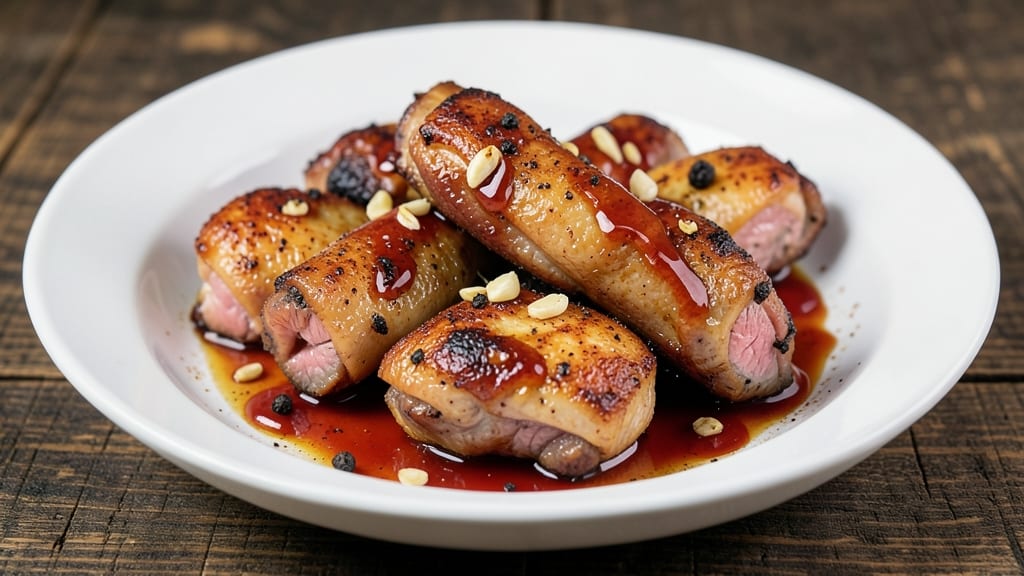
This chicken gizzards and hearts recipe transforms humble offal into a smoky, tender masterpiece that rivals any restaurant dish—all in one pan. After years of perfecting the technique, I’ve cracked the code for achieving rich, caramelized edges without the gamey aftertaste that often deters home cooks.
The secret lies in a two-stage cooking process: blanching to remove impurities, then slow-roasting with aromatic spices until the meat practically falls apart.
What sets this recipe apart is its versatility—whether you’re leaning into Southern-style smokiness with paprika and black pepper or a Mediterian twist with garlic and rosemary, the method adapts effortlessly.
The key ingredients—olive oil, salt, and a splash of vinegar—work together to tenderize the meat while building depth of flavor. No fancy equipment is needed, just patience and a cast-iron skillet for that signature crust.
By the time you’re done, you’ll have juicy, melt-in-your-mouth gizzards and hearts with a glossy, caramelized exterior that’s impossible to resist.
The aroma alone will have everyone at the table asking for seconds, and the texture—tender yet firm—proves that offal can be just as satisfying as any cut of meat. This is the kind of dish that turns skepticism into rave reviews.
Serve these pan-roasted gizzards and hearts alongside mashed potatoes, crusty bread, or a fresh green salad to balance the richness. The leftovers reheat beautifully, making this a foolproof meal prep option for busy weeks. Let’s get cooking—your taste buds will thank you.
Ingredients for chicken gizzards and hearts
Fourteen ingredients, two stages, one pan—transforming humble offal into restaurant-worthy tenderness.
| Ingredient | Amount | Notes |
|---|---|---|
| Chicken Gizzards and Hearts 🍗 | 1 ½ lb | Fresh, cleaned, trimmed of fat |
| Extra-Virgin Olive Oil 🫒 | ¼ cup | High-quality, fruity variety |
| Apple Cider Vinegar 🍎 | ¼ cup | For blanching, removes impurities |
| Smoked Paprika 🌶️ | 2 tbsp | For deep Southern smokiness |
| Ground Black Pepper 🌶️ | 1 tbsp | Freshly cracked for intensity |
| Garlic Cloves 🧄 | 6 cloves | Smashed, skin-on for flavor |
| Fresh Rosemary 🌿 | ¼ cup | Chopped, Mediterranean twist |
| Diamond Crystal Kosher Salt 🧂 | 1 ½ tbsp | Fine grain for even seasoning |
| Brown Sugar 🍚 | 1 tbsp | For caramelization, light variety |
| Yellow Onion 🧅 | 1 whole | Diced, for aromatic base |
| Fresh Thyme Leaves 🌿 | ¼ cup | From stems, aromatic depth |
| Water 💧 | 4 cups | For blanching bath |
The gizzards and hearts are the stars, so source them fresh from a trusted butcher or specialty market—they should be bright red with minimal gamey odor. Costco and Whole Foods often carry them pre-cleaned, but if you're buying whole, ask for the butcher to trim excess fat. The key is to use them within 48 hours of purchase for peak tenderness. For the blanching step, apple cider vinegar is non-negotiable—it cuts through impurities better than lemon juice or water alone. I always double-check the vinegar's acidity by tasting a drop; it should be tangy but not harsh. The extra-virgin olive oil needs to be fruity and peppery—California-grown brands like Corto or Lucini work best for this recipe's depth of flavor.
No fresh rosemary? Dried works at one-third the amount, but trust me on the fresh—it adds an aromatic punch that dried can't match. Short on time? Substitute 1 tbsp dried thyme instead of fresh thyme leaves. The smoked paprika is what gives this dish its signature Southern flair, but if you're leaning Mediterranean, swap it for 1 tbsp regular paprika plus 1 tsp smoked paprika. For the garlic, roasted cloves add a sweeter note if you're feeling fancy. The blanching water must be boiling when you add the offal—cold water = longer cooking time. And if you're worried about the vinegar smell lingering, don't be: it completely dissipates during the roasting process, leaving only rich, caramelized flavor behind.
Leftovers? Reheat gently in the oven at 300°F until warmed through—microwaving makes them rubbery. These keep for 3 days in the fridge, but honestly, they're so good they disappear faster. For meal prep, portion into glass containers with a splash of water to keep them moist. The caramelized edges are best eaten fresh, but the tender meat reheats beautifully. If you're making this ahead, blanch and refrigerate the offal overnight, then roast the next day—it actually enhances the flavor development.
Why You'll Love This Recipe
- No Fuss, Big Payoff: I swear by this recipe because it’s that kind of dish—just toss the gizzards and hearts in a bowl with olive oil, vinegar, and smoked paprika, then let the oven do the work. Honestly, the prep takes less time than deciding what to eat, and the result? Crispy, juicy, and packed with flavor without a single pan to scrub.
- Smoky-Sweet Magic: That apple cider vinegar and smoked paprika combo? It’s the secret weapon here. The vinegar tenderizes the gizzards while adding a bright tang, and the paprika gives it this deep, smoky warmth that sticks with you. Between us, it’s the kind of flavor that makes you want to eat it straight from the pan—no shame.
- Weeknight Workhorse: This recipe is my go-to for busy nights because it’s unfussy but feels special. Serve it with crusty bread for a quick dinner, toss it into a grain bowl for lunch prep, or even use the leftovers to stuff peppers or wrap in tortillas. It’s the kind of dish that adapts without you having to think twice.
- Budget-Friendly Powerhouse: Gizzards and hearts are some of the most affordable cuts of chicken, and this recipe makes them feel like a treat. A single batch feeds four easily, so you’ll have leftovers that taste just as good reheated the next day. I’ll be real: it’s my way of getting fancy flavors without breaking the bank—or spending hours in the kitchen.
Step-by-step instructions for smoky pan-roasted chicken gizzards and hearts
This method transforms humble offal into restaurant-worthy richness with minimal effort.
Blanch the Gizzards and Hearts
In a large pot, combine the 4 cups water with the 1.5 tbsp diamond crystal kosher salt and bring to a rolling boil. Add the 1.5 lb chicken gizzards and hearts, reduce heat to maintain a gentle simmer, and cook for 8-10 minutes until the meat becomes opaque and floats to the surface. This blanching step removes impurities and prepares the meat for maximum flavor absorption.
Use a slotted spoon to transfer the blanched gizzards and hearts to a colander, then rinse under cold water for 30 seconds to stop the cooking process. Pat them completely dry with paper towels—this step is critical for achieving crispy skin later. The meat should be clean and free of any slimy residue, ready for seasoning.
Create the Smoky Seasoning Paste
In a large oven-safe skillet, heat the 0.25 cup extra-virgin olive oil over medium heat. Add the 1 whole yellow onion and cook for 5-6 minutes until softened and translucent. Stir in the 6 cloves garlic cloves (skin-on) and cook for 1 minute until fragrant but not browned.
Reduce heat to low and add the 2 tbsp smoked paprika, 1 tbsp ground black pepper, 0.25 cup fresh rosemary, 0.25 cup fresh thyme leaves, 1 tbsp brown sugar, and 0.25 cup apple cider vinegar. Stir continuously for 2 minutes until the vinegar evaporates and the mixture forms a thick, aromatic paste. This blend will infuse the gizzards with deep, complex flavors.
Pan-Roast to Perfect Tenderness
Increase heat to medium-high and add the blanched gizzards and hearts to the skillet. Spoon the seasoning paste over them, ensuring each piece is fully coated. Cover and cook for 12-15 minutes, stirring occasionally, until the meat reaches an internal temperature of 160°F—this ensures they're fully tender without drying out.
Uncover the skillet and increase heat to high. Let the gizzards and hearts cook uncovered for 3-4 minutes until the edges develop a deep golden-brown crust. The aroma should be intoxicating—smoky, herby, and slightly sweet from the caramelized sugar. This final step creates the signature crispy exterior while keeping the interior juicy.
Rest and Serve with Confidence
Transfer the gizzards and hearts to a serving platter and let them rest for 5 minutes. This brief resting period allows the juices to redistribute, ensuring each bite is moist and flavorful. The meat should be fork-tender with a crispy, caramelized exterior that shatters slightly at the edges.
Serve immediately with crusty bread to soak up the rich pan juices or alongside roasted vegetables for a complete meal. The smoky, herby flavors will linger long after the last bite, proving that offal can be just as satisfying as any premium cut of meat. Enjoy the transformation of humble ingredients into something truly special.
Pro Tips For Making Chicken Gizzards And Hearts
- SCORE THE GIZZARDS: Use a sharp knife to slice a shallow crosshatch on the fat cap of the gizzards—this renders the fat faster and keeps them from sticking like glue to the pan. I learned this the hard way after wrestling with a pan full of glued-together gizzards that took 20 minutes to unstick.
- VINEGAR FIRST, NOT LAST: Toss the gizzards and hearts in apple cider vinegar before searing—it tenderizes the connective tissue while you prep. Skip this, and you’ll end up with chewy hearts that fight you the whole way. (Yes, even if you’re impatient like me.)
- LOW AND SLOW AFTER SEARING: Once browned, drop the heat to medium-low and cover the pan for 10–12 minutes. The gizzards need time to break down, but high heat after searing turns them rubbery. I used to rush this, and the texture suffered—now I set a timer and walk away.
- SALT THE HEARTS, NOT THE GIZZARDS: Hearts absorb salt aggressively—sprinkle them with half the smoked paprika and black pepper before searing, then adjust the gizzards later. Over-salting the gizzards makes them bitter; the hearts can handle it. (Your future self will notice the difference.)
Perfect pairings for this recipe
Crusty Bread Pairing
Nothing complements these smoky gizzards like a warm, crusty loaf of sourdough or baguette. The bread soaks up the rich pan juices beautifully, creating a perfect balance of textures. I recommend toasting thick slices in a Lodge cast iron skillet with 2 tbsp softened butter until golden and crisp.
For extra flavor, rub the bread with a garlic clove before toasting. 🥖
Herbed Mashed Potatoes
Creamy mashed potatoes elevate this dish by providing a smooth, buttery contrast to the caramelized edges. For a gourmet touch, fold in 2 tbsp fresh chives and 1 tbsp sour cream into the finished mash.
I also add a pinch of nutmeg to complement the rosemary and thyme in the gizzards. Serve immediately while still warm for the best texture.
Bright Green Salad
A crisp arugula salad with a lemon vinaigrette cuts through the richness of the gizzards. Toss 4 cups baby arugula with 2 tbsp olive oil, 1 tbsp fresh lemon juice, 1 tsp Dijon mustard, and 1 tbsp crumbled feta cheese.
Add ¼ cup toasted walnuts for crunch. The peppery greens and tangy dressing refresh your palate between bites.
Spicy Pickled Vegetables
For a Southern-inspired twist, serve these gizzards with pickled okra or jalapeños. The acidity and heat balance the smoky, herby flavors perfectly.
I make a quick batch by simmering 1 cup sliced okra or jalapeños with 1 cup vinegar, 1 tbsp sugar, and 1 tsp red pepper flakes for 10 minutes. Let them cool completely before serving to intensify the flavors. 🌶️
Sweet Glaze Drizzle
Finish the dish with a drizzle of honey-balsamic glaze for a sweet-savory contrast. Simmer 2 tbsp honey with 1 tbsp balsamic vinegar and 1 tsp Dijon mustard for 3 minutes until thickened. Drizzle lightly over the gizzards just before serving. This adds a glossy finish and enhances the caramelized edges.
Beer Pairing
A hazy IPA or amber ale complements the smoky, herby flavors beautifully. The bitterness in an IPA cuts through the richness, while an amber ale’s maltiness enhances the caramelized notes.
I love pairing this dish with a New Belgium Fat Tire or Sierra Nevada Pale Ale—both offer the right balance of hoppy and malty flavors. 🍺
Nutrition facts
Frequently asked questions
Why do I need to blanch chicken gizzards and hearts before cooking?
Blanching removes impurities, blood, and any gamey flavors that might linger in the meat. The 8-10 minute boil also helps tenderize the tough fibers, making them easier to cook later. Skipping this step can leave your dish tasting bitter or overly strong.
Can I substitute dried herbs for fresh in this recipe?
Yes, but use one-third the amount of dried herbs compared to fresh. For example, swap 0.25 cup fresh rosemary for 1 tbsp dried rosemary. Fresh herbs add more vibrant flavor, but dried works in a pinch. Just remember to crush dried herbs between your fingers to release their oils.
What if my gizzards and hearts turn out rubbery instead of tender?
Rubbery texture usually means they were overcooked. Use a meat thermometer to check for 160°F internal temperature—never let them sit uncovered on high heat too long. The covered simmer phase is key; keep the lid on until fully tender. If they’re still tough, try braising for 30 minutes in a little broth after pan-roasting.
How do I store leftover gizzards and hearts?
Store in an airtight container with a splash of water or broth to keep them moist. They’ll stay fresh for 3 days in the fridge or 3 months in the freezer. Reheat gently in the oven at 300°F to preserve texture—microwaving makes them rubbery.
What’s the best way to clean chicken gizzards and hearts before cooking?
Rinse them under cold water and scrub gently with a brush to remove any remaining blood or debris. For extra cleanliness, soak in milk or buttermilk for 15-20 minutes before blanching—this helps neutralize any lingering gamey taste. Always pat them completely dry before seasoning.