Main Courses
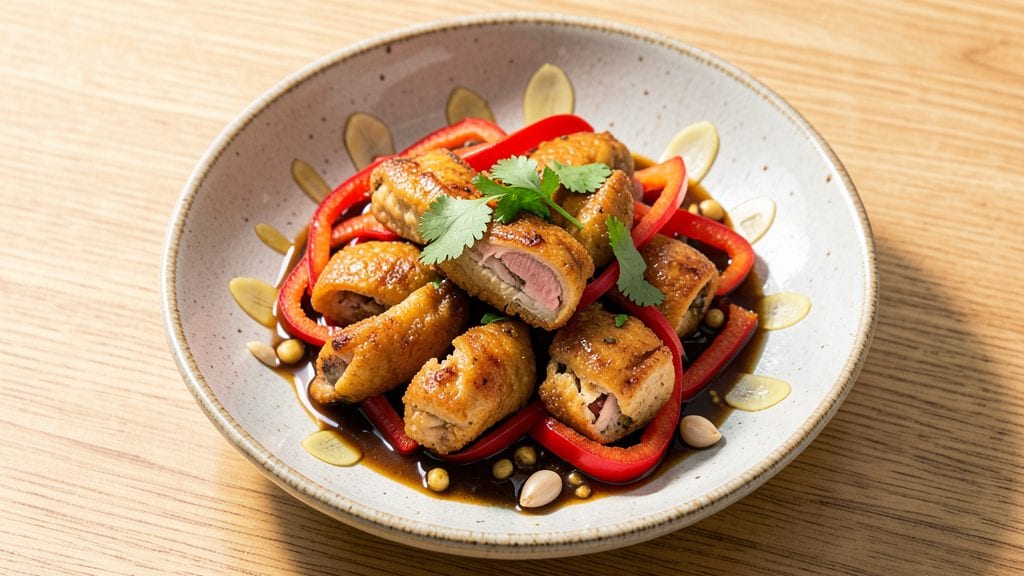
This chicken gizzard stir-fry recipe turns overlooked poultry into a crispy-tender, umami-packed dish I refined after years of offal adventures. The secret lies in proper preparation: cleaning, trimming, and marinating to ensure tender results while maintaining that satisfying crunch.
My grandmother always insisted on handling gizzards this way, though her notes were maddeningly vague about timing.
This stir-fry delivers restaurant-quality texture in just 20 minutes of active cooking, making it ideal for weeknight dinners when you want something hearty but not labor-intensive. The sauce—a balance of soy, garlic, and a touch of honey—cuts through the richness while enhancing the natural meaty flavor.
What makes this recipe work is the high-heat stir-fry technique that creates those signature charred edges without drying out the centers.
By the time you're done, you'll have golden-brown gizzards with crispy exteriors and tender interiors, all coated in a glossy, umami-packed sauce that clings perfectly. The aroma alone will have everyone gathering around the table, and the texture—crunchy yet yielding—is worth the extra prep step.
Serve with steamed jasmine rice and quick-pickled vegetables for a complete meal that feels both comforting and sophisticated.
This dish also adapts beautifully to fusion flavors—try adding a splash of fish sauce or a sprinkle of smoked paprika for extra depth. The key is confidence in the cooking process; once you master the technique, you'll never waste gizzards again.
Let's get started with a method that delivers professional results in your home kitchen.
Ingredients for chicken gizzard stir fry
Fresh gizzards, aromatic oils, and a bold sauce—this stir-fry delivers restaurant-quality texture in just 20 minutes.
| Ingredient | Amount | Notes |
|---|---|---|
| Chicken Gizzards 🍗 | 1 ½ lb | Fresh, trimmed of fat and membrane |
| Extra-Virgin Olive Oil 🫒 | ½ cup | High smoke point, for stir-frying |
| Soy Sauce 🥢 | ⅓ cup | Light or dark, for umami depth |
| Garlic Cloves 🧄 | 6 cloves | Minced, fresh for aromatic punch |
| Fresh Ginger 🌿 | 1 ½ tbsp | Finely grated, peeled root |
| Honey 🍯 | 1 ½ tbsp | Wildflower or clover variety |
| Sesame Oil 🫒 | 1 tbsp | Toasted, for finishing aroma |
| Rice Vinegar 🍶 | 1 tbsp | White or seasoned, for brightness |
| Diamond Crystal Kosher Salt 🧂 | 1 tsp | Fine grain, for seasoning |
| Ground Black Pepper 🌶️ | ½ tsp | Freshly cracked, for heat |
| Green Onions 🧅 | 4 whole | Thinly sliced, for garnish |
| Jasmine Rice 🍚 | 1 ½ cups | Uncooked, for serving base |
| Vegetable Oil 🫒 | 2 tbsp | Neutral, for pre-cooking |
| Cornstarch 🌾 | 2 tbsp | For crispy coating |
The gizzards are the star, so source them fresh from a trusted butcher or Asian market—they should be plump, firm, and free of yellowing. Most grocery stores carry them, but Whole Foods or H Mart often have better quality. Trim off any fat or membrane before marinating; the cleaner the surface, the better the sauce will cling. If you're nervous about handling them, wear gloves—it's not gross, just messy. I always buy extra because you can freeze the uncooked ones for up to 6 months.
No soy sauce? Coconut aminos or tamari work in a pinch, though the flavor will be slightly different. Substitute honey with maple syrup or agave if you're avoiding refined sugar, but the texture might be slightly less glossy. Fresh ginger is ideal, but dried works at half the amount—just toast it first for deeper flavor. The cornstarch is non-negotiable for that crispy texture; if you don't have it, all-purpose flour works in a bind. For extra depth, add a splash of fish sauce or oyster sauce to the marinade—trust me, it elevates everything.
This stir-fry reheats beautifully—just toss with a splash of water and a pat of butter to keep it tender. Store leftovers in an airtight container for 3-4 days in the fridge, or freeze for up to 3 months. The sauce can be made ahead and stored separately for 1 week. For meal prep, cook the gizzards first, then reheat with the sauce at the last minute to maintain that crispy edge. Serve over jasmine rice or noodles for a complete meal.
Why You'll Love This Recipe
- No Fuss, Big Payoff: The gizzards take 10 minutes to prep—just a quick soak and slice. Honestly, that’s longer than my usual stir-fry procrastination.
- Garlic-Ginger Magic: That combo? It’s like a flavor bomb—ginger’s sharp kick and garlic’s warmth cut through the richness of the gizzards, leaving you wanting more.
- Leftover Goldmine: Double the batch, and you’ve got lunch sorted. Reheat with a splash of water, and it’s just as good cold in wraps the next day.
- Budget Boost: Gizzards are cheap, but they taste like you spent hours. Between us, this is my go-to when the grocery budget’s tight—but no one guesses.
Step-by-step instructions for chicken gizzard stir-fry
Here's how to transform tough gizzards into crispy-tender bites with a perfectly balanced sauce.
Prepare the Gizzards for Maximum Crispiness
Start by trimming any remaining fat and membrane from the 1.5 lb chicken gizzards using a sharp knife. I like to make a few small slits on the surface—this helps them cook more evenly and develop that coveted crispy texture. Place the gizzards in a bowl and toss them with 2 tbsp cornstarch until completely and evenly coated. This thin layer is what creates that satisfying crunch while keeping the insides tender.
Let the coated gizzards sit for 10 minutes while you prep everything else. This resting period allows the cornstarch to adhere properly. Meanwhile, mince the 6 cloves garlic cloves and grate the 1.5 tbsp fresh ginger—these aromatics will form the flavor foundation of your stir-fry. The key here is freshness; pre-minced garlic loses its punch quickly.
Cook the Gizzards Until Crispy-Tender
Heat 2 tbsp vegetable oil in a large skillet over medium-high heat until shimmering. Add the gizzards in a single layer, being careful not to overcrowd the pan—this ensures they develop that golden-brown crust. Cook undisturbed for 3-4 minutes until the bottoms turn deep golden brown and crispy. Flip carefully and cook another 3-4 minutes on the second side.
Here's where technique matters: the gizzards are done when they reach an internal temperature of 165°F at their thickest point. You'll know they're ready when they're crispy on the outside but still slightly jiggly in the center—this indicates perfect doneness. Remove them to a plate and set aside, tented loosely with foil to keep warm.
Build the Umami-Packed Sauce
In the same skillet (no need to clean it—the browned bits are flavor gold), reduce heat to medium and add 0.5 cup extra-virgin olive oil. Swirl it around to coat the pan, then add the minced garlic and grated ginger. Cook for 30 seconds until fragrant—this should take just a moment before the garlic starts to color.
Pour in 0.33 cup soy sauce, 1.5 tbsp honey, and 1 tbsp rice vinegar. Stir vigorously as the sauce bubbles up, scraping any browned bits from the bottom. Let it simmer for 2-3 minutes until slightly thickened. The sauce should coat the back of a spoon smoothly—this is your umami base. Season with 1 tsp diamond crystal kosher salt and 0.5 tsp ground black pepper, then remove from heat.
Finish and Serve Over Jasmine Rice
Return the crispy gizzards to the skillet with the sauce. Toss gently to coat them evenly, letting the sauce cling to their crispy surfaces. Cook for 1-2 minutes until everything is heated through and the gizzards have absorbed some of that glorious sauce. Drizzle with 1 tbsp sesame oil and toss once more—this adds a nutty aroma that elevates the dish.
While the gizzards finish, cook the 1.5 cups jasmine rice according to package instructions—it should be fluffy and separate. Plate the rice, top with the gizzard stir-fry, and garnish with thinly sliced 4 whole green onions. The contrast of crispy gizzards against tender rice makes every bite satisfying. Serve immediately while the gizzards are at their crispy-tender best.
Pro Tips For Making Chicken Gizzard Stir Fry
- SCORE GIZZARDS FIRST: If you’re not making a shallow cut on the thick side of each gizzard before cooking, you’re fighting an uphill battle. A quick slice with a sharp knife lets the soy sauce and garlic penetrate faster—no more tough, chewy bites. (Yes, even if you’re impatient like me, this takes 30 seconds and saves 10 minutes of overcooking.)
- SALT THE GIZZARDS: Toss the cleaned gizzards in 1 teaspoon of salt before searing—this breaks down the proteins and keeps them from shrinking into a dense, rubbery mess. I learned this the hard way after serving a batch that looked perfect but tasted like overcooked shoe leather.
- LOW AND SLOW FINISH: Once the gizzards are browned and the garlic’s fragrant, drop the heat to medium-low. Stir-frying at high heat after this point turns the olive oil into smoke and leaves you with dry, bitter gizzards. Let them cook undisturbed for 3-4 minutes—patience here makes the difference between "meh" and "wow."
- GINGER SLICE THIN: No, you don’t need to julienne it, but grating or thinly slicing the ginger ensures it melts into the sauce instead of sitting as stubborn chunks. My grandmother swore by this, and she was right: the flavor integrates smoothly, not like you’re eating a garnish. (And skip the pre-minced jarred stuff—it’s waterlogged and flavorless.)
Regional styles of these flavors
Chinese Cantonese Style
In Cantonese cuisine, gizzards are often stir-fried with a bold, slightly sweet-savory sauce that balances the meaty richness. I remember my grandmother's version called for light soy sauce and a touch of Shaoxing wine—about 1 tbsp—to deepen the umami.
She'd finish with dried shrimp (about 2 tbsp) for extra briny depth. The key is high heat and quick cooking to maintain that signature wok hei—those smoky, charred edges that make every bite exciting. 🔥
Korean Kimchi Gizzard Stir-Fry
For a Korean-inspired twist, swap the soy sauce for gochujang (Korean chili paste) and toss in ½ cup chopped kimchi during the final toss. The tangy, spicy kimchi cuts through the richness while adding probiotic benefits.
I like to add 1 tbsp toasted sesame seeds and a sprinkle of toasted nori flakes for texture. Serve with steamed short-grain rice and a side of quick-pickled radishes for that authentic Korean meal experience. 🌶️
Thai Green Curry Adaptation
Transform this stir-fry into a Thai-inspired dish by simmering the gizzards in a green curry sauce made with 1 can coconut milk, 2 tbsp green curry paste, and 1 tbsp fish sauce. Add bell peppers and bamboo shoots for texture, then finish with Thai basil leaves.
The creamy coconut sauce balances the heat while keeping the gizzards tender. Garnish with lime wedges and crushed peanuts for that authentic Thai street-food vibe. 🍚
Southern American Fried Gizzard Twist
If you prefer a Southern American approach, skip the stir-fry entirely and pan-fry the gizzards until crispy, then toss them in a spicy Cajun seasoning mix (about 1 tbsp paprika, ½ tsp cayenne, and ½ tsp garlic powder).
Serve with a creamy remoulade sauce—mayo, hot sauce, and a splash of lemon juice. This version feels like a cross between a crispy fried chicken and a spicy gumbo, perfect for game day or a hearty weeknight dinner. 💛
Japanese Teriyaki Gizzard
For a Japanese-inspired version, marinate the gizzards in a teriyaki glaze made with ¼ cup soy sauce, 2 tbsp mirin, and 1 tbsp sake for 30 minutes before cooking. Stir-fry them until caramelized, then brush with extra glaze.
Finish with thinly sliced scallions and a sprinkle of furikake seasoning. Serve over steamed white rice with a side of miso soup for a complete Japanese meal experience. 🍶
Nutrition facts
Frequently asked questions
Why do I need to trim the fat and membrane from chicken gizzards?
Trimming removes excess fat that can make the gizzards greasy during cooking. The membrane also prevents the sauce from clinging properly. Clean surfaces ensure even browning and better texture—crispy exteriors with tender interiors. Skip this step, and you'll end up with uneven cooking and soggy results.
Can I use frozen chicken gizzards for this stir-fry?
Yes, but thaw them completely first in the refrigerator overnight. Never use cold gizzards straight from the freezer—they won't cook evenly and may stay undercooked inside. Pat them dry thoroughly after thawing to help the cornstarch coating adhere properly. This ensures that crispy texture we're all after!
What's the best way to store leftovers?
Store in an airtight container in the fridge for up to 4 days. Reheat gently in a skillet with a splash of water to restore crispiness. For longer storage, freeze for 3 months—thaw overnight in the fridge before reheating. The sauce can be made ahead separately and stored for 1 week.
How do I know when the gizzards are fully cooked?
They're done when they reach an internal temperature of 165°F at their thickest point. Visually, they should be deep golden brown and slightly jiggly in the center—this indicates perfect doneness. Overcooking will make them tough, while undercooked gizzards can be unsafe. Use a meat thermometer for accuracy!
Can I make this recipe without cornstarch?
You can substitute with all-purpose flour (same amount) for a lighter texture, though you'll lose some crispiness. For extra crunch, try potato starch or arrowroot powder. Just remember—these alternatives won't cling as well, so toss the gizzards more carefully during cooking.