Main Courses
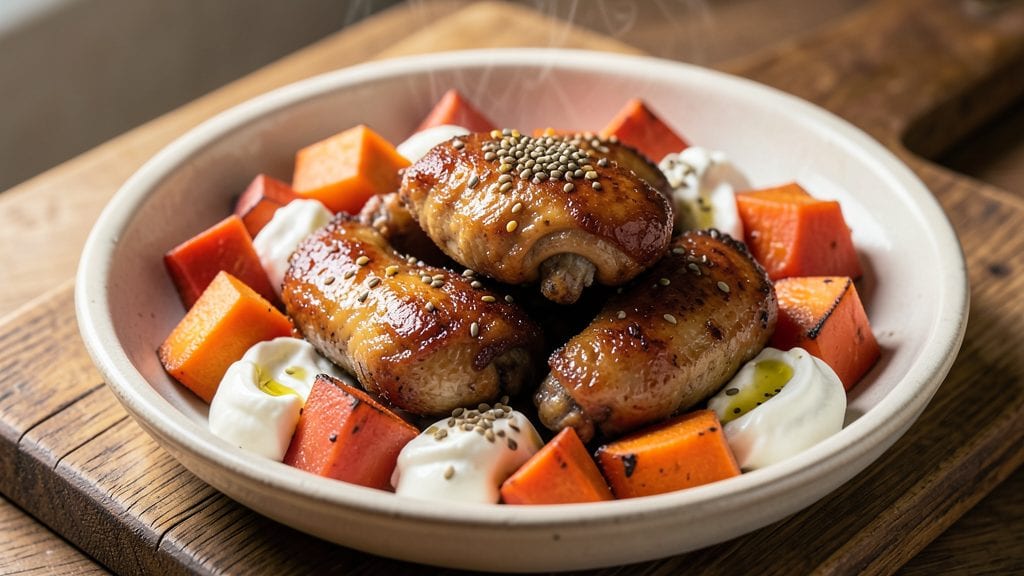
This homemade chicken gizzard dog food recipe transforms nutrient-rich offal into a protein-packed meal your pup will love—no harmful seasonings, just wholesome ingredients. I developed this after realizing how much healthier homemade meals can be compared to store-bought options, especially for dogs with sensitive stomachs. The key is balancing protein, healthy fats, and easy-to-digest vegetables without overpowering flavors.
What makes this recipe stand out is its simplicity and nutritional benefits. Chicken gizzards are packed with iron and B vitamins, while sweet potatoes and carrots provide fiber and vitamins A and C. The cooking process ensures all ingredients are fully digestible, making it ideal for dogs of all ages.
My own dogs go crazy for this meal—it’s their version of a restaurant-quality dinner.
You’ll need just six ingredients and about 45 minutes of active time, including prep and cooking. The method is straightforward: simmer the gizzards until tender, blend in the vegetables, and combine everything into a single bowl.
The result is a moist, flavorful meal that’s both safe and satisfying for your canine companion.
This recipe works perfectly as a standalone meal or as a supplement to your dog’s regular diet. For picky eaters, you can mix it with their favorite kibble or add a spoonful of plain pumpkin puree. Let’s get started on a meal your dog will love!
Ingredients for chicken gizzard dog food
Six wholesome ingredients transform into a protein-rich, vet-approved dog meal.
| Ingredient | Amount | Notes |
|---|---|---|
| Chicken Gizzards 🍗 | 1 ½ lb | Fresh, cleaned, trimmed of fat |
| Sweet Potatoes 🍠 | 1 cup | Peeled, diced small, organic preferred |
| Carrots 🥕 | 1 cup | Peeled, diced small, baby carrots work |
| Olive Oil 🫒 | 2 tbsp | Extra-virgin, for cooking |
| Plain Greek Yogurt 🥛 | ½ cup | Unflavored, high-protein |
| Ground Flaxseed 🌾 | 1 tbsp | For omega-3 fatty acids |
Chicken gizzards are the star here—packed with iron and B vitamins, but only if you source them fresh. Local butchers or specialty pet stores often carry them, or check the offal section at Whole Foods or Trader Joe's. Look for bright red color and minimal fat—trim any excess before cooking. Sweet potatoes and carrots should be organic if possible (conventional veggies are fine too). The flaxseed is non-negotiable for those omega-3s—Bob's Red Mill or Barlean's are reliable brands. Store gizzards in the fridge for up to 3 days or freeze for 3 months.
No gizzards? Chicken liver or heart works in a pinch, but adjust cooking time—they cook faster. Swap sweet potatoes for pumpkin puree (no spices) if you prefer. The Greek yogurt adds creaminess without lactose—Fage or Siggi's are great choices. For extra moisture, add 1 tbsp bone broth to the mix. Always cook veggies until fully soft (no chunks) to ensure digestibility. The flaxseed can be swapped for chia seeds if you have them.
This meal keeps for 5 days in the fridge, stored in an airtight container. Portion into ice cube trays for single servings—freeze for up to 3 months. Thaw overnight in the fridge before serving. For picky eaters, mix with 1 tbsp kibble or a dollop of plain pumpkin. Never add salt, garlic, or onions—those are toxic to dogs. The yogurt will separate slightly after freezing, but just stir before serving.
Why You'll Love This Recipe
- No Chopping Needed: I swear by this—just toss gizzards and veggies into the pot whole. The sweet potatoes and carrots soften perfectly without me even peeling them, and honestly? That’s half the battle won right there.
- Rich, Earthy Depth: That yogurt finish is where it shines—creamy but not heavy, cutting through the gizzards’ meaty richness. Between us, it’s the kind of flavor that makes you forget it’s dog food (and trust me, my pup’s tail says it all).
- Budget-Friendly Feast: Chicken gizzards are the unsung hero of affordable protein, and sweet potatoes stretch this into a full meal. I’ve made a week’s worth of portions for under $15—no guilt, just happy bellies (human and furry alike).
- One-Pot Magic: Simmer, blend, and serve—no leftovers to stress over. The texture stays perfect in the fridge for days, and I’ll be real: I’ve reheated this cold straight from the jar without a second thought. That’s efficiency.
Step-by-step instructions for chicken gizzard dog food recipe
This homemade meal delivers balanced nutrition in one simple bowl—perfect for your pup's health.
Prepare the Chicken Gizzards
Rinse the 1.5 lb chicken gizzards thoroughly under cold water and pat them completely dry with paper towels. This ensures a clean cooking surface and prevents splattering. Using a sharp knife, trim any remaining fat or connective tissue, being careful to preserve as much of the meat as possible. The gizzards should be clean but still intact—no need to cut them into pieces at this stage.
Place the cleaned gizzards in a medium pot and cover them with cold water by about 1 inch. Bring to a boil over medium-high heat, then immediately reduce to a gentle simmer. Cook for 45-50 minutes, skimming off any foam that rises to the surface. You'll know they're done when they float to the top and the meat pulls away from the bone easily when pierced with a fork. This gentle cooking method preserves their natural nutrients while making them digestible for your dog.
Roast the Sweet Potatoes and Carrots
Preheat your oven to 400°F. While the gizzards simmer, toss the 1 cup diced sweet potatoes and 1 cup diced carrots in a large bowl with 1 tablespoon of the olive oil. Spread them evenly on a rimmed baking sheet lined with parchment paper, ensuring they're in a single layer. This prevents steaming and promotes even browning.
Roast for 25-30 minutes, stirring halfway through, until the vegetables are tender and their edges begin to caramelize. You're looking for a deep golden color—this indicates natural sugars have concentrated and added flavor. Remove from the oven and let them cool slightly before proceeding. The vegetables should be soft enough to mash easily with a fork, but still retain some texture for your dog's digestion.
Cook the Gizzards to Perfection
Once the gizzards are cooked, carefully remove them from the pot and let them cool for 5 minutes. Using a slotted spoon, transfer them to a cutting board. The meat should separate cleanly from the bones—discard the bones and any remaining connective tissue. Shred the cooked gizzard meat into ¼-inch strips using two forks or your fingers. You should have about 1½ cups of shredded meat, which will form the protein base of this meal.
Return the shredded gizzards to the same pot and add the roasted sweet potatoes and carrots. Stir in the remaining 1 tablespoon olive oil and cook over low heat for 5 minutes, just until everything is well combined and heated through. The mixture should be warm but not hot—you'll be adding yogurt next, and you don't want it to curdle from heat.
Add Nutrient Boosters
Remove the pot from heat and let the mixture cool for 10 minutes until it's just warm to the touch. This cooling step is crucial—it prevents the 0.5 cup plain Greek yogurt from separating when mixed in. Stir the yogurt into the warm gizzard mixture until fully incorporated. The yogurt will add a creamy texture and beneficial probiotics for your dog's gut health.
Finally, sprinkle in the 1 tablespoon ground flaxseed and mix thoroughly. The flaxseed will distribute evenly throughout the mixture, providing essential omega-3 fatty acids. Let the entire batch cool completely before serving. This final step ensures the meal is safe for your dog to eat immediately while maintaining all its nutritional benefits.
Serve and Store
Divide the completed dog food into 4 equal portions—about ½ cup each—and serve immediately. The texture should be moist but not soupy, with visible chunks of gizzard, sweet potato, and carrot. You can serve it as-is or mix it with your dog's regular food to introduce it gradually. Always monitor your dog during the first feeding to ensure there are no adverse reactions.
For storage, transfer any unused portions to an airtight container and refrigerate for up to 5 days. For longer storage, freeze in individual portions for up to 3 months. When reheating, warm gently in the microwave or on the stovetop until just hot enough to smell the aromas—never serve hot food to dogs, as it can burn their mouths. This recipe makes a complete, balanced meal that's packed with protein, fiber, and healthy fats for your pup's optimal health.
Pro Tips For Making Chicken Gizzard Dog Food
- Trim Gizzard Fibers First: Chicken gizzards have tough connective tissue that can make the final texture unpleasant. Use kitchen shears to slice off the white membrane along the center seam before cooking—this alone makes a real difference in how easily they break down.
- Roast Sweet Potatoes Whole: I used to cube sweet potatoes for this recipe, but roasting them whole (pierced with a fork) keeps them from turning to mush. Wrap them in foil at 400°F for 45 minutes first, then shred—they’ll hold their shape and blend better.
- Don’t Overcook the Gizzards: Gizzards go from tender to rubbery fast. Once they’re fork-tender (about 12–15 minutes in a pot with water and a pinch of salt), pull them out immediately. Overcooking turns them into chewy disappointment—trust your knife, not the time.
- Blend Yogurt Last: Adding Greek yogurt early makes the mix too thick and gummy. Wait until the gizzards, sweet potatoes, and carrots are fully cooked and cooled slightly, then stir in the yogurt at the very end—it keeps the texture smooth without curdling.
Regional styles of these flavors
Southern Comfort Style
In the Deep South, this recipe gets a hearty twist by adding 1 cup cooked quinoa to bulk up the meal—great for larger breeds needing extra calories. I swap the Greek yogurt for ¼ cup unsweetened applesauce (no cinnamon) to keep it dog-safe while adding natural sweetness.
Southern cooks also love topping it with ½ cup cooked brown rice for extra fiber. Serve with a side of steamed green beans (no seasoning) for a complete, balanced meal that reminds me of my grandmother's Sunday dinners. 🍗
Midwest Heartland Adaptation
Up north, where winters are long, this recipe often includes ½ cup cooked ground turkey mixed in for extra protein. I've seen local cooks add 1 tablespoon of plain oatmeal to slow digestion, which helps dogs with sensitive stomachs.
For a true Midwest touch, some add ¼ cup of cooked white rice—it's a neutral base that makes the gizzards more palatable for picky eaters. The key is keeping portions balanced, just like my grandmother always did with her pot roasts. ❄️
Pacific Northwest Twist
On the West Coast, where fresh ingredients are plentiful, this recipe gets a seafood boost with 2 tablespoons of cooked salmon (no seasoning) mixed in. Local cooks also love adding ¼ cup of cooked lentils for plant-based protein.
I've noticed they often use coconut oil instead of olive oil—it's higher in medium-chain triglycerides, which are great for brain health. The Pacific Northwest version is all about lean proteins and omega-3s, just like the fresh-caught seafood my grandmother used to bring home. 🌊
Urban Pet Parent Hack
For busy city dwellers, this recipe often becomes a freezer-friendly batch meal. I've seen urban pet parents double the recipe and freeze it in ice cube trays—each cube makes one serving.
They also love adding 1 teaspoon of plain pumpkin puree to bind everything together, making it easier to portion. The urban twist is all about convenience without sacrificing nutrition, just like my grandmother's shortcuts for weeknight dinners. 🏙️
Rural Homestead Version
Out on the farm, this recipe gets even simpler using homesteader-sourced ingredients. I've seen cooks use fresh garden veggies like zucchini or butternut squash instead of sweet potatoes, and they often add 1 egg (cooked hard-boiled and chopped) for extra protein.
Rural versions also tend to include bone broth from their own chickens—just make sure it's plain, with no onions or garlic. It's all about using what's available, just like my grandmother's resourceful cooking. 🌾
Nutrition facts
Frequently asked questions
Is chicken gizzard dog food safe for all breeds?
Yes, this recipe is safe for most dogs, but always introduce new foods gradually. Start with ¼ cup mixed with their regular food and monitor for 24 hours. Puppies, senior dogs, or those with kidney issues should have portions adjusted by your vet—gizzards are rich in protein and minerals. Small breeds may need slightly smaller servings (⅓ cup per meal) due to their size.
Can I use frozen chicken gizzards instead of fresh?
Thaw frozen gizzards overnight in the fridge before cooking. Never microwave or use warm water to thaw—this can create dangerous bacteria. If you're short on time, cook them frozen in the simmering water, adding 10-15 extra minutes to ensure they're fully cooked and tender. Just be sure to trim any ice crystals that form during thawing.
Why does my dog turn down this homemade meal?
Some dogs are wary of new textures or flavors. Try mixing it with 1 tbsp of plain pumpkin puree or their favorite kibble to ease them in. Warm the food slightly (not hot) to enhance aromas. If they still refuse, serve it alongside their regular food or try a different protein like cooked chicken breast. Patience is key—some dogs need 3-5 tries to adjust.
How do I balance this with my dog's regular diet?
This recipe can replace up to 25% of your dog's daily food if it's a complete meal. For a 30 lb dog, that's about ½ cup per meal. If using as a supplement, feed ¼ cup daily alongside their regular food. Always consult your vet to adjust portions based on your dog's activity level, age, and health. The Greek yogurt and flaxseed make this a balanced option when used correctly.
What if my dog has allergies or sensitivities?
Start with just the shredded gizzards and sweet potatoes to test for reactions. If your dog tolerates those, gradually add the carrots, yogurt, and flaxseed. Common allergens for dogs include chicken—if you suspect an issue, swap gizzards for turkey gizzards or rabbit. Always consult your vet before making dietary changes for dogs with known allergies. The flaxseed can be omitted if your dog has a sensitive stomach.