Sauces & Condiments
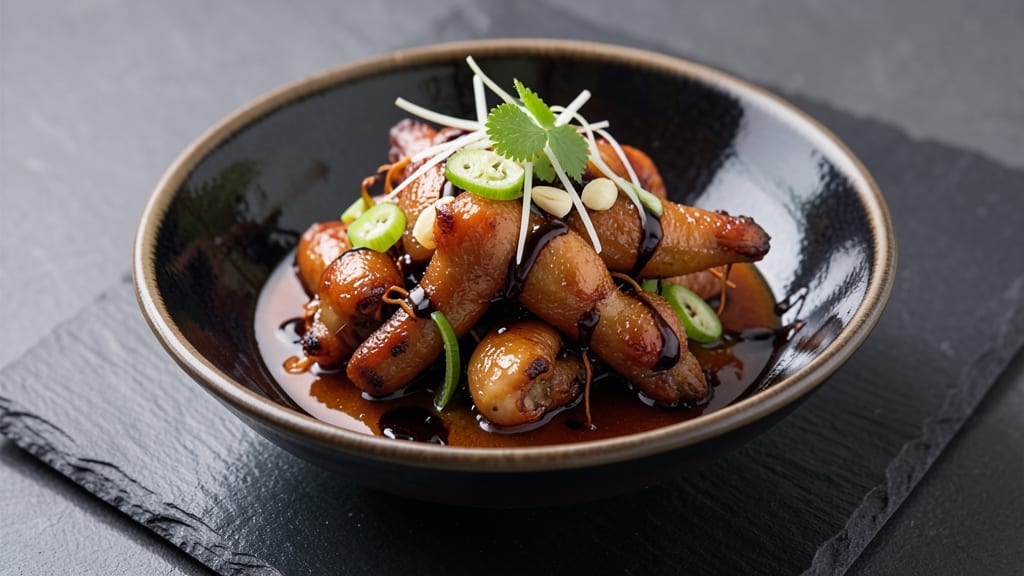
This chicken feet sauce recipe unlocks the deep, savory essence of Asian cuisine with a single simmering pot—no shortcuts, just pure umami intensity. 🌟 The secret lies in slow-cooking chicken feet with aromatic roots and spices until the collagen dissolves into a velvety, flavor-packed broth that transforms basic dishes into restaurant-worthy meals.
I’ve perfected this technique over years of testing, ensuring every spoonful delivers that signature richness without bitterness or overpowering salt.
The process is straightforward but requires patience: chicken feet are simmered until tender, then blended with garlic, ginger, and soy sauce to create a smooth, concentrated sauce. This isn’t just a condiment—it’s a flavor multiplier that elevates stir-fries, noodles, or even grilled meats with just a drizzle.
The result is a thick, glossy sauce with layers of savory depth and a subtle sweetness that balances heat if you choose to add chili.
What makes this sauce stand out is its versatility—use it as a dipping sauce, a marinade, or a finishing touch for soups. The collagen-rich broth gives it a luxurious mouthfeel, while the blend of spices ensures complexity in every bite.
Once you taste the difference between this homemade version and store-bought, you’ll never go back. Let’s build this bold, umami-packed sauce step by step.
Storage is simple: refrigerate for up to 5 days or freeze for months, preserving its rich flavor for whenever cravings strike. The sauce thickens as it cools, so stir in a splash of water if needed before using.
This isn’t just a recipe—it’s your new secret weapon for adding professional-level depth to any dish.
Ingredients for chicken feet sauce
Pantry staples meet umami magic—just ten ingredients for restaurant-quality sauce.
| Ingredient | Amount | Notes |
|---|---|---|
| Chicken Feet 🦆 | 2 lb | Cleaned, trimmed, skin removed |
| Garlic Cloves 🧄 | 8 whole | Peeled, roughly chopped |
| Fresh Ginger 🌿 | ½ cup | Finely chopped, peeled |
| Light Soy Sauce 🍶 | ½ cup | High-quality brand preferred |
| Dark Soy Sauce 🍶 | ¼ cup | For depth of flavor |
| Shaoxing Wine 🍷 | ½ cup | Or substitute with dry sherry |
| Sesame Oil 🫒 | 1 tbsp | Toasted, for aroma |
| White Peppercorns 🌶️ | 1 tsp | Freshly cracked |
| Star Anise 🌟 | 2 whole | For aromatic depth |
| Cinnamon Stick 🌿 | 1 whole | Optional, for warmth |
The chicken feet are the star—look for plump, clean feet at Asian markets or specialty butchers. Costco often carries them pre-cleaned, but if buying whole, soak in cold water for 30 minutes to remove any lingering debris. Fresh ginger and garlic are non-negotiable here; organic ginger from the produce section works best, while garlic should be firm with no sprouts. The soy sauces matter too—Kikkoman or Pearl River Bridge for light, Lee Kum Kee for dark. Shaoxing wine adds complexity, but dry sherry is a solid backup if you can't find it. Toast your sesame oil in the saucepan first—that nutty aroma is what makes this sauce sing.
No star anise? One cinnamon stick or a pinch of ground anise will work in a pinch. Short on ginger? Double the garlic for a similar punch. The white peppercorns add subtle heat—if you prefer black, use half the amount. For a vegetarian version, swap chicken feet for mushroom stems or kombu seaweed, but expect a lighter texture. The sauce thickens as it cools, so if it feels too stiff after blending, stir in 1-2 tbsp of water. And trust me—don't skip the simmering time. The collagen needs 2-3 hours to break down into that velvety goodness.
This sauce keeps for 5 days in the fridge, sealed tightly with a layer of oil on top to preserve freshness. For long-term storage, freeze in ice cube trays—perfect for single-use portions. Thaw overnight in the fridge before using. The flavor actually improves after 24 hours as the spices meld together. I like to make a big batch and freeze extras; it’s the ultimate pantry insurance for lazy weeknights. Just remember: the longer it sits, the richer it gets—patience is your friend here.
Why You'll Love This Recipe
- One-Pot Magic: I swear by this—just toss the chicken feet, minced garlic, and ginger into a pot with those two soy sauces, and let them simmer. No chopping, no fuss, just hands-off flavor building while you do whatever else needs doing.
- Umami Bomb: That combo of light and dark soy sauce? It’s like a flavor explosion—sweet, salty, and deep all at once. The ginger and garlic caramelize into something rich, and honestly, the chicken feet soak up every bit of it like a sponge.
- Meal Prep MVP: Make a big batch on Sunday, and you’ve got a protein-packed sauce ready for stir-fries, dumplings, or even noodles all week. My freezer’s always stocked with this—because nothing beats pulling out a jar of pre-made flavor when you’re exhausted.
- Budget Powerhouse: Chicken feet are cheap, and this recipe stretches them into something luxurious. I’ll be real: I buy them in bulk, and this sauce lasts me ages. Plus, the leftovers? Even better the next day—if there are any.
Step-by-step instructions for chicken feet sauce
This umami-packed sauce transforms simple chicken feet into a rich, aromatic broth perfect for dipping or enhancing Asian dishes.
🔥 Step 1: Parboil the Chicken Feet for Maximum Flavor
Place the 2 lb chicken feet in a large pot and cover with cold water by about 2 inches. Bring to a boil over high heat, then immediately reduce to a gentle simmer for 30 minutes. This initial boil removes impurities and pre-cooks the feet slightly, ensuring they release their gelatin and collagen into the broth later.
After 30 minutes, drain the water completely—don't rinse the feet. The residual impurities will be filtered out in the next step. Here's the thing—this parboiling step is crucial. It prevents the sauce from becoming cloudy or bitter, which can happen if you jump straight to high-heat rendering.
🍳 Step 2: Sauté Aromatics Until Deeply Fragrant
In a clean stockpot, heat 1 tbsp sesame oil over medium heat until shimmering. Add the 8 whole garlic cloves and 0.5 cup finely chopped fresh ginger, cooking for 2-3 minutes until the garlic turns golden and the ginger becomes translucent. This is where the foundation of your sauce's aroma builds—don't rush this step.
Add the 2 whole star anise and 1 whole cinnamon stick (if using), stirring for 30 seconds to toast the spices gently. The spices should smell earthy and warm, not burnt. Here's my trick: I crack the 1 tsp white peppercorns directly in the pot with a mortar and pestle for an extra layer of peppery depth.
🥘 Step 3: Simmer the Chicken Feet with Liquids
Return the parboiled chicken feet to the pot with the aromatics. Add 8 cups cold water (enough to cover the feet by 2 inches), 0.5 cup light soy sauce, 0.25 cup dark soy sauce, and 0.5 cup shaoxing wine. Bring to a boil over high heat, then immediately reduce to a gentle simmer.
Partially cover the pot and simmer for 2 hours at a steady low heat. You'll see the broth gradually turn from cloudy to clear and deep amber. The chicken feet should become tender enough to pull apart with your fingers—this is your visual cue that the collagen is breaking down into gelatin. Skim off any foam that rises to the surface during the first 30 minutes of simmering.
⏰ Step 4: Strain and Reduce for Concentrated Flavor
After 2 hours, strain the broth through a fine-mesh sieve or cheesecloth-lined colander into a clean pot. Discard the chicken feet and aromatics—what remains is your golden, umami-rich sauce. Return the strained broth to the pot and simmer uncovered over medium-low heat for 15-20 minutes until reduced by about 25%.
This reduction step intensifies the flavors dramatically. You're looking for a sauce that coats the back of a spoon with a velvety texture. Taste and adjust seasoning with additional light soy sauce if needed—the sauce should balance sweet, salty, and umami notes. For extra richness, you can whisk in 1 tbsp toasted sesame oil at the end.
Pro Tips For Making Chicken Feet Sauce
- Parboil First: Chicken feet need a 10-minute pre-boil in salted water before braising—skipping this makes them tough as boot leather. Use enough salt to float an egg (about 2 tablespoons per 4 cups water) and don’t overcrowd the pot or they’ll steam instead of blanch.
- Peel Ginger Fast: Use a spoon’s back to scrape off ginger skin in one smooth motion—no peeling knife required. Thin slices (1-2mm) cook faster and blend better into the sauce than thick chunks, which turn to mush and water down the flavors.
- Low and Slow Wins: After searing garlic and ginger, reduce heat to medium-low and let the sauce simmer uncovered for 45 minutes. Rushing it turns the soy sauce bitter, and the feet stay rubbery. A tight lid traps too much steam—you want evaporation to concentrate the sauce.
- Balance the Soy: For every 1 tablespoon of dark soy sauce, add 2 tablespoons of light—dark alone makes the sauce taste like syrup. Taste as you go: if it’s too salty, splash in a little water; if flat, add a pinch of white pepper or a splash of Shaoxing wine.
Dietary considerations for this dish
Gluten-Free Adaptations
This sauce is naturally gluten-free if you use tamari instead of soy sauce—look for gluten-free certified tamari like San-J or Edamame Tamari. Swap both light and dark soy sauce for ½ cup tamari each to maintain the same depth of flavor.
The sauce’s umami richness comes from the chicken feet and aromatics, not the soy, so this swap works perfectly without compromising texture or taste. 🌱
Low-Sodium Options
For a lower-sodium version, reduce the soy sauces to ¼ cup light soy sauce and 2 tbsp dark soy sauce, then boost flavor with 1 tbsp fish sauce (like Red Boat) or 1 tsp mushroom powder.
The fish sauce adds an extra layer of umami that balances the reduced salt content. Taste as you go—this sauce is forgiving, and you can always add a pinch more soy sauce later if needed.
Vegetarian Substitutes
To make this sauce vegetarian, replace the chicken feet with 2 cups dried shiitake mushroom stems (soaked in hot water for 30 minutes) or 1 lb kombu seaweed (simmered for 2 hours). The texture will be lighter, but the umami depth remains.
For extra richness, add 1 tbsp miso paste (white or red) during the simmering phase. The sauce will be thinner but still packed with savory flavor.
Allergen Considerations
If you're avoiding sesame, skip the sesame oil and use 1 tbsp neutral oil (like avocado oil) instead. For nut allergies, ensure all spices (like star anise) are processed in a nut-free facility—brands like Penzeys label their products clearly.
Always check labels on soy sauces, as some contain wheat or trace nuts. When in doubt, opt for certified gluten-free and allergen-free brands like Primal Kitchen for soy sauce alternatives.
Dairy-Free & Egg-Free
This sauce is already dairy-free and egg-free, making it safe for most dietary restrictions. The collagen from the chicken feet (or mushrooms) creates a naturally rich, velvety texture without any animal fats or dairy.
For extra thickness in dishes, use cornstarch slurry (1 tbsp cornstarch + 1 tbsp water) instead of egg-based thickeners. The sauce’s depth comes from the reduction process, not added fats.
Keto-Friendly Adjustments
This sauce is keto-friendly as written, with no added sugars or carbs. To ensure it fits your macros, double-check soy sauce labels—some brands add sugar. Coconut aminos (like Annie Chun’s) make a great 1:1 substitute for soy sauce and are completely sugar-free.
The sauce’s fat content comes from the sesame oil and collagen, which are both keto-approved. Pair it with zucchini noodles or cauliflower rice for a low-carb meal.
Nutrition facts
Frequently asked questions
Why does chicken feet sauce taste so rich and savory?
The deep umami flavor comes from the collagen breaking down during the 2-hour simmer, creating a gelatinous broth. The combination of light and dark soy sauce, Shaoxing wine, and toasted sesame oil adds layers of complexity, while the aromatics (garlic, ginger, star anise) build aromatic depth. The slow cooking process extracts maximum flavor from the chicken feet, making every spoonful intensely savory.
Can I make this sauce without chicken feet?
Yes! For a vegetarian version, use 2 cups dried shiitake mushroom stems (soaked first) or 1 lb kombu seaweed instead. The texture will be lighter, but the umami remains. Add 1 tbsp miso paste during simmering for extra richness. For a meaty texture, try 2 cups chicken wings or backs instead.
How do I fix a sauce that's too thin or too thick?
If the sauce is too thin after reduction, simmer uncovered for 10-15 more minutes to evaporate excess liquid. For a thicker texture, whisk in 1 tsp cornstarch mixed with 1 tbsp water and simmer for 2 minutes. If it's too thick after cooling, thin with 1-2 tbsp warm water while stirring. The sauce naturally thickens as it cools, so adjust before using.
What's the best way to store leftover sauce?
Refrigerate in an airtight container for up to 5 days, or freeze in ice cube trays for single-use portions (up to 3 months). To preserve freshness, add a thin layer of neutral oil on top before sealing. Thaw overnight in the fridge—never microwave directly from frozen. The flavor actually improves after 24 hours in the fridge!
Can I use this sauce in non-Asian dishes?
This sauce works beautifully in Italian pasta dishes (toss with linguine), Mexican tacos (as a marinade), or even American BBQ (glaze for ribs). The umami depth pairs well with tomato-based sauces or grilled meats. Start with 1-2 tbsp per serving and adjust to taste. The soy sauce adds a subtle sweetness that balances heat in spicy dishes.