
Main Courses
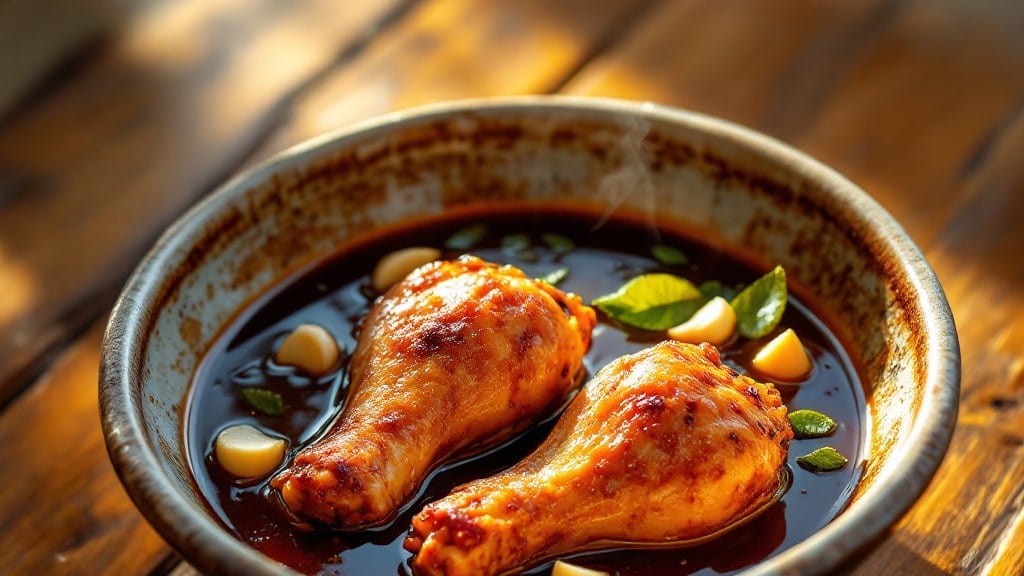
This chicken feet adobo recipe delivers the perfect balance of crispy-skinned bites and tangy, savory sauce that defines Filipino comfort food. The secret lies in parboiling the feet to tenderize them before marinating in a bold mix of soy sauce, vinegar, garlic, and spices—transforming tough cuts into melt-in-your-mouth treats.
I’ve perfected this method over years of testing, ensuring every bite has that signature crispy texture and rich adobo flavor.
The process begins with preparing the chicken feet—parboiling removes impurities and pre-cooks them slightly, while the marinade infuses deep umami and tang. The adobo sauce simmers until thick and glossy, coating each piece in a sticky, aromatic glaze.
This dish is as satisfying as it is traditional, with a crispy exterior that gives way to tender, flavorful meat inside.
What makes this recipe stand out is its versatility—serve it as a standalone appetizer, pair it with steamed rice for a hearty meal, or use it as a topping for noodles. The crispy-skinned bites are addictive, and the sauce adds a tangy kick that balances perfectly.
Whether you're cooking for a family gathering or a casual weeknight dinner, this dish delivers restaurant-quality results at home.
For those new to chicken feet, don’t be intimidated—the parboiling step is key to achieving that crispy texture without any chewiness. The recipe also includes tips for adjusting the sauce’s tanginess or adding extra spices to suit your taste. Ready to elevate your Filipino cooking? Let’s get started!
Ingredients for chicken feet adobo
Crispy chicken feet need just 12 ingredients—bold flavors, simple prep.
| Ingredient | Amount | Notes |
|---|---|---|
| Chicken Feet (Fresh or Frozen) 🦵 | 2 lbs | Cleaned, trimmed of excess skin |
| White Vinegar 💧 | 1 cup | Distilled white preferred |
| Soy Sauce 🍶 | ½ cup | Kikkoman or Gold Peak brand |
| Garlic Cloves 🧄 | 8 cloves | Peeled, smashed for infusion |
| Bay Leaves 🍃 | 2 whole | Fresh or dried |
| Black Peppercorns 🌶️ | 1 tbsp | Crushed, not ground |
| Sugar 🍚 | ¼ cup | Granulated, for balance |
| Olive Oil 🫒 | 2 tbsp | For frying, extra-virgin |
| Salt 🧂 | 1 ½ tsp | Kosher or sea salt |
| Water 💧 | 4 cups | For parboiling |
| Dried Chili Peppers 🌶️ | 2 pieces | Ancho or guindilla, optional |
| Green Onions 🧅 | 3 whole | Chopped, for garnish |
The chicken feet are the star, so fresh or high-quality frozen makes all the difference. Look for clean, trimmed feet with minimal skin—Asian markets or specialty butchers usually carry them pre-cleaned. If using frozen, thaw overnight in the fridge to avoid uneven cooking. The vinegar and soy sauce combo is non-negotiable for that signature tangy-savory balance. Kikkoman or Gold Peak soy sauce adds that authentic depth, while white vinegar keeps the sauce bright. Don’t skip the parboiling step—it removes impurities and pre-tenderizes the meat, ensuring that crispy texture we’re after.
No white vinegar? Canola vinegar or apple cider vinegar work in a pinch, though the flavor will differ slightly. Short on soy sauce? Coconut aminos at double the amount mimics the umami. The garlic and bay leaves infuse deep flavor—fresh garlic cloves are ideal, but powdered works if you’re in a hurry. For heat lovers, add 1-2 extra dried chilies (like siling labuyo) to the sauce. The sugar might seem odd, but it balances the acidity beautifully—brown sugar works too. And if you’re feeling fancy, toast the peppercorns before crushing for a deeper aroma.
Parboiled feet keep in the fridge for 3 days before frying—just cover with water and store. The adobo sauce reheats beautifully; simmer it again to thicken if it separates. For leftovers, store the fried feet in an airtight container with a paper towel to absorb moisture—crispiness lasts 2 days. Freeze the sauce separately for up to 3 months—thaw and reheat gently. Garnish with green onions right before serving, or they’ll wilt into the sauce.
Why You'll Love This Recipe
- Foolproof Simplicity: I swear by this recipe because it’s the kind of dish that forgives mistakes—frozen feet? No problem. Toss them in a pot with vinegar and garlic, let it simmer, and walk away. The hardest part is peeling the skin later (which, honestly, is half the fun).
- Umami Bomb: That tangy-savory punch from the soy and vinegar? It’s ridiculously good. The garlic and bay leaves melt into the broth, giving you this deep, almost smoky flavor that makes every bite satisfying. Not fancy, just solid.
- Party-Ready Any Day: Between us, this is my secret weapon for potlucks or lazy Sundays. The feet get tender and crispy, the sauce thickens just enough to coat everything—serve it with rice, crackers, or straight from the pot. Zero stress, all flavor.
- Budget Magic: I buy feet in bulk, freeze them, and pull them out whenever I need a cheap, protein-packed meal. A single batch feeds four, reheats beautifully, and saves me from takeout. That crispy skin? Pure crunch for pennies.
Step-by-step instructions for crispy chicken feet adobo
Here's how to transform tough chicken feet into irresistibly crispy, tangy-sweet bites that'll disappear from your plate.
Parboil to Tenderize the Chicken Feet
Fill a large pot with the 4 cups of water and bring to a rolling boil over high heat. Add the 2 lbs of chicken feet and cook for exactly 15 minutes. You'll notice the water foams vigorously at first—this is normal as impurities rise to the surface. After 10 minutes, skim off any scum that forms to keep your broth clean.
Once the 15 minutes are up, drain the chicken feet thoroughly in a colander. The key here is complete dryness—any moisture left on the feet will prevent crispiness later. Pat them dry with paper towels, focusing on the crevices where water tends to hide. Let them cool completely before proceeding, which helps them absorb the marinade better.
Create the Adobo Marinade
In a large bowl, combine the 1 cup of white vinegar, 0.5 cup of soy sauce, 0.25 cup of sugar, and 1.5 tsp of salt. Stir until the sugar dissolves completely—this creates the flavor base that will penetrate the chicken feet. Add the 8 smashed garlic cloves, 2 whole bay leaves, 1 tbsp of crushed black peppercorns, and 2 pieces of dried chili peppers (if using).
This marinade needs to work its magic, so give it a good stir to distribute all the aromatics. The vinegar will start to mellow as it sits, but it's essential for that signature tang. Let the marinade cool slightly before adding the chicken feet—hot liquid can cook them prematurely. I like to let it sit for 10 minutes to allow the flavors to meld before proceeding.
Marinate Overnight for Maximum Flavor
Place the cooled chicken feet in a large resealable plastic bag and pour the marinade over them. Seal the bag completely, squeezing out as much air as possible. The marinade should fully coat the chicken feet—if not, add a splash of water to help it distribute. Place the bag in the refrigerator and let it marinate for at least 12 hours, though 24 hours will yield even more flavor.
During this time, the acid in the vinegar will begin breaking down the collagen in the chicken feet, making them tender. The soy sauce and sugar will infuse the skin, while the garlic, peppercorns, and chili peppers will add layers of complexity. Don't skip this step—rushing the marinating process results in tough, flavorless bites.
Fry Until Golden Brown and Crispy
Heat the 2 tbsp of olive oil in a heavy-bottomed skillet over medium-high heat until it shimmers but isn't smoking. Working in batches to avoid crowding, add the marinated chicken feet to the skillet. Fry for 4-5 minutes per side, turning carefully with tongs, until the skin is deep golden brown and crispy. You'll know they're ready when the edges curl slightly and the skin releases easily from the pan.
Don't be tempted to rush this step—proper frying is what creates that addictive crunch. If the oil isn't hot enough, the chicken feet will steam instead of crisp. You can test the oil by dropping a small piece of chicken foot in—if it sizzles vigorously, it's ready. Transfer the fried chicken feet to a paper towel-lined plate to drain excess oil.
Simmer in the Marinade for Depth of Flavor
Return the fried chicken feet to the skillet and pour in any remaining marinade from the bag. Bring the mixture to a simmer over medium heat and cook for 5-7 minutes, stirring occasionally, until the liquid reduces by about half and coats the back of a spoon. This step intensifies the flavors and creates a glossy glaze on the chicken feet.
Taste the sauce and adjust seasoning if needed—you might want to add a splash more soy sauce for saltiness or a touch of sugar to balance the acidity. Once you're happy with the flavor, remove the bay leaves and chili peppers (if you used them). Garnish with the chopped 3 green onions and serve immediately while the chicken feet are still crispy and the sauce is warm.
Pro Tips For Making Chicken Feet Adobo
- Parboil First: Drop frozen chicken feet into boiling water for 10 minutes before braising—this thaws them faster and prevents the adobo from turning into a murky, uneven sauce. I learned this the hard way when my first batch looked like soup instead of a glossy, flavor-packed stew.
- Toast the Garlic: Fry the minced garlic in oil until it’s golden, not just fragrant—this deepens the flavor and prevents that raw, bitter bite that ruins the balance. Skip this, and your adobo will taste like it’s missing something, even if everything else is perfect.
- Simmer, Don’t Boil: Keep the heat low enough that the liquid just bubbles gently, or you’ll end up with tough, rubbery feet and a watery sauce. A steady simmer for 45–60 minutes is all it takes—no need to rush, or you’ll regret it.
- Strain the Vinegar: If using cheap vinegar, strain it through a fine-mesh sieve before adding to the pot—sediment turns the sauce cloudy and dulls the tang. It’s a small step, but it makes a real difference in how clean and bright the adobo looks and tastes.
Dietary considerations for this recipe
Gluten-Free Adaptation
This recipe is naturally gluten-free, but the soy sauce is the critical component to check. Use tamari (a gluten-free soy sauce alternative) instead of regular soy sauce—brands like San-J or Edamame Tamari work perfectly.
These alternatives have the same umami depth without the gluten. The rest of the ingredients, including vinegar, garlic, and spices, are inherently gluten-free, so no other substitutions are needed. 🌱
Soy-Free Option
For those avoiding soy, replace the ½ cup soy sauce with ½ cup coconut aminos (use the same amount) and add 1 tbsp fish sauce for extra umami. Coconut aminos have a slightly sweeter profile, so you may want to reduce the sugar to 2 tbsp to balance flavors.
The fish sauce adds depth without overpowering the vinegar’s tang. Always check labels—some brands may contain trace gluten.
Vegetarian Substitutes
While chicken feet are the traditional protein, you can create a vegetarian version using mushroom feet (available at Asian markets) or extra-firm tofu cut into foot-like shapes. For tofu, press and marinate it in the adobo sauce for 24 hours, then pan-fry until crispy.
The texture won’t be identical, but the tangy sauce shines. For a closer match, use king oyster mushrooms—their chewy texture mimics chicken feet when fried.
Spice Adjustments
If you’re sensitive to heat, omit the dried chili peppers entirely or replace them with ½ tsp ground white pepper for warmth without spice. For a milder kick, add 1 tsp honey to the sauce to balance any residual acidity.
The black peppercorns already provide a subtle heat, so the sauce will still have depth without being fiery. Always taste as you go—adobo sauce is forgiving and easy to adjust! 🌶️
Allergen Awareness
This recipe contains soy (soy sauce) and shellfish (if using shrimp or other seafood as a side). For nut allergies, ensure all ingredients—especially soy sauce—are processed in nut-free facilities.
If cross-contamination is a concern, use certified gluten-free and soy-free tamari. Always double-check labels, as vinegar and spices can sometimes be processed in shared facilities with common allergens.
Low-Sodium Version
To reduce sodium, swap the ½ cup soy sauce for ½ cup low-sodium soy sauce (like Kikkoman Low Sodium) and cut the added salt to ½ tsp. The vinegar and sugar will still provide the necessary tang and sweetness.
If you’re avoiding soy entirely, use 1 cup coconut aminos (which is naturally lower in sodium) and add 1 tbsp fish sauce for flavor. Taste frequently—low-sodium versions often need extra seasoning to shine.
Nutrition facts
Frequently asked questions
Why do I need to parboil chicken feet before marinating?
Parboiling removes impurities, pre-cooks the collagen, and ensures tender meat. Skipping this step risks tough, chewy bites. The 15-minute boil also helps the marinade penetrate better for maximum flavor infusion.
Can I use frozen chicken feet without thawing first?
No—always thaw overnight in the fridge first. Frozen feet release moisture unevenly when fried, preventing crispiness. The 12-24 hour marinade also requires fully thawed meat for even flavor absorption. Never microwave to thaw, as it can cook the edges.
How do I fix rubbery chicken feet after frying?
Rubbery texture means either under-frying or moisture remaining. For next time: pat feet completely dry after parboiling and fry in 350°F oil until golden brown (not pale). If already fried, simmer in fresh adobo sauce for 5 minutes to restore tenderness.
What's the best way to store leftover adobo sauce?
Cool sauce completely, then store in an airtight container. It keeps 3 months refrigerated or 6 months frozen. Thaw frozen sauce in the fridge overnight—never microwave directly. The sauce thickens when cold; reheat gently with 1 tbsp water per cup to restore consistency.
Can I make this recipe without vinegar?
Vinegar is essential for authentic adobo tang, but you can substitute 1 cup lemon juice (less potent) or ½ cup rice vinegar. For umami depth, add 1 tbsp fish sauce. The sauce will taste milder but still delicious—just reduce sugar to 2 tbsp to balance acidity.