
Sauces & Condiments
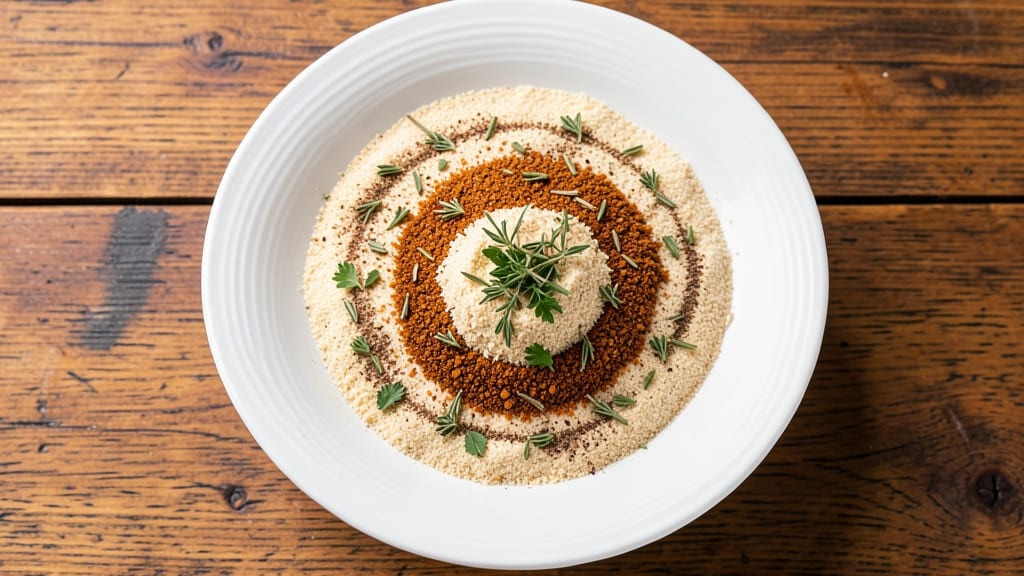
This homemade chicken bouillon seasoning transforms ordinary broth into a rich, umami-packed base that rivals store-bought cubes—but with better flavor and no artificial additives. The blend combines dried herbs, aromatic spices, and savory ingredients in precise proportions to create depth that elevates soups, sauces, and braises.
I developed this recipe after years of testing what makes commercial bouillon so universally appealing, then simplified it into a dry mix that lasts for months.
The foundation of this seasoning lies in its balanced flavor profile: chicken powder provides the base, while garlic, onion, and celery powders create the classic "holy trinity" of umami. A touch of MSG enhances savoriness without overpowering, and dried herbs like thyme and parsley add brightness.
Unlike liquid bouillon, this dry blend dissolves completely in hot water, leaving no gritty residue while delivering restaurant-quality depth to any dish.
What makes this seasoning truly versatile is its adaptability—use it to make quick broth for noodles, enhance gravies, or even season roasted vegetables. The measurements are designed for easy scaling: one tablespoon makes four cups of concentrated broth base, which you can adjust to taste.
Store it in an airtight container for up to six months, making it the perfect pantry staple for home cooks who crave authentic flavor without the convenience trade-offs.
Unlike liquid bouillons that often contain preservatives, this dry mix contains only natural ingredients you can pronounce. Whether you're making a simple soup or a complex sauce, this seasoning delivers professional results with just a pinch.
The best part? You'll never need to buy bouillon cubes again—this blend is so good, even non-cooks will notice the difference. Let's get started with the ingredients you already have.
Ingredients for chicken bouillon seasoning
Nine simple ingredients, endless flavor possibilities—this dry blend replaces store-bought cubes forever.
| Ingredient | Amount | Notes |
|---|---|---|
| Chicken Powder 🍗 | 3 tbsp | High-quality, not powdered bouillon |
| Garlic Powder 🧄 | 1 tbsp | Freshly ground preferred |
| Onion Powder 🧅 | 1 tbsp | Finely ground for smooth texture |
| Celery Powder 🥬 | ½ tbsp | Adds subtle earthy depth |
| Dried Thyme 🌿 | 1 tsp | French or English preferred |
| Dried Parsley 🌿 | 1 tsp | Brightens the flavor profile |
| MSG (Monosodium Glutamate) 🧂 | ½ tsp | Enhances umami without saltiness |
| Diamond Crystal Kosher Salt 🧂 | ½ tsp | Fine grain for even dissolving |
| Ground Black Pepper 🌶️ | ¼ tsp | Freshly ground for best flavor |
| Dried Bay Leaves 🍃 | ½ tsp | Crushed for stronger flavor |
The chicken powder is your flavor anchor—look for high-quality brands like Penzeys or McCormick for that deep, savory punch. I always grab mine in bulk at Whole Foods because the packaging is airtight, keeping it potent for months. Freshly ground garlic and onion powders make a huge difference (the pre-ground stuff at grocery stores often loses flavor fast), so if you're feeling fancy, toast them lightly in a dry pan before grinding. The celery powder? Don't skip it—it rounds out the 'holy trinity' of umami. For dried herbs, Italian seasoning blends work in a pinch, but separate thyme and parsley give you more control over the balance.
No MSG? Extra Parmesan cheese powder at half the amount adds umami depth without the controversy. Short on celery powder? Dried carrot powder or even a pinch of dried mushroom powder works in a bind. The bay leaves need crushing—just wrap them in a clean kitchen towel and gently tap with a rolling pin. For a stronger kick, add a pinch of smoked paprika. And if you're making this for a crowd, triple the batch—it keeps indefinitely in an airtight container. Trust me, your freezer will thank you later when you're prepping for a big dinner.
This blend dissolves completely in hot water—no gritty surprises. Store it in a glass jar with a tight seal in a cool, dark place for up to 6-12 months. For best results, make a double batch: one for your pantry, one to give away. It's the kind of gift that makes people think you're a culinary genius. To use, simply dissolve 1 tbsp in 4 cups of hot water—adjust to taste. Pro tip: Add a splash of apple cider vinegar or lemon juice to brighten the flavor even more.
Why You'll Love This Recipe
- No-Measure Guessing: I’ll be real—you can eyeball this. A teaspoon of each powder plus a pinch of thyme? That’s it. No scales, no stress, just toss it in your pantry jar and forget about it until you need it.
- Umami Bomb: That celery powder might sound weird, but trust me—it’s the secret weapon. Combined with the garlic and onion, it turns bland broths into something that tastes like you simmered for hours (without the effort).
- Pantry Staple Magic: Need to revive dry rice? Boost canned soup? Liven up scrambled eggs? This mix is my go-to for when I’m too tired to cook but still want flavor. It’s the difference between "meh" and "oh wow."
- Zero-Waste Flexibility: Use it all at once or save it for weeks—it stays fresh forever. I keep a jar in my fridge for quick meals and another in my pantry for when I’m prepping freezer meals. No spoilage, no waste, just pure convenience.
Step-by-step instructions for homemade chicken bouillon seasoning
Here's how to blend rich, umami-packed seasoning that elevates soups, stews, and sauces instantly.
Measure the Base Ingredients Precisely
Start by combining the 3 tablespoons of chicken powder in a medium mixing bowl. This high-quality powder forms the foundation of your bouillon, so choose one specifically labeled for savory applications—not powdered bouillon substitutes. The chicken powder should be finely ground and free of any gritty texture.
Next, add the 1 tablespoon of garlic powder and 1 tablespoon of onion powder to the bowl. I like to use freshly ground powders for maximum flavor intensity. If you're using pre-ground varieties, give them a quick pulse in a spice grinder to restore their aromatic punch. These two ingredients will form the aromatic backbone of your seasoning blend.
Incorporate the Vegetable Powders and Herbs
Add the 0.5 tablespoon of celery powder to the bowl, followed by the 1 teaspoon of dried thyme and 1 teaspoon of dried parsley. The celery powder contributes subtle earthiness that mimics fresh celery root, while the thyme and parsley add bright, herbal notes. Use your fingers or a small whisk to break up any herb clusters—this ensures even distribution when you use the seasoning later.
Here's the thing—don't skip crushing the dried bay leaves. Add the 0.5 teaspoon of dried bay leaves to the bowl and gently press them between your fingers or a mortar and pestle until they're finely broken. Whole bay leaves won't dissolve properly in liquids, so this step guarantees their aromatic oils infuse completely. The crushed leaves should resemble coarse sand in texture.
Add the Flavor Enhancers and Salt
Now it's time for the umami boosters. Sprinkle in the 0.5 teaspoon of MSG (monosodium glutamate) and 0.5 teaspoon of Diamond Crystal kosher salt. The MSG enhances the savory depth without adding saltiness, while the kosher salt ensures even seasoning. I always use Diamond Crystal because its fine grain dissolves completely—no gritty surprises in your finished dish.
Finally, add the 0.25 teaspoon of ground black pepper. Freshly ground pepper makes a noticeable difference, so if you have whole peppercorns, grind them just before adding. The pepper should be finely powdered—you're aiming for a smooth, even distribution throughout your seasoning blend. This final touch adds warmth and a subtle bite that balances the rich, savory notes.
Mix Thoroughly and Store Properly
Combine all ingredients using a small whisk or fork until the mixture is completely homogeneous. You should see no distinct clumps of any single ingredient—the seasoning should look uniformly textured. This thorough mixing ensures every pinch delivers balanced flavor. For best results, sift the mixture through a fine-mesh strainer to eliminate any remaining herb stems or coarse particles.
Transfer the seasoning to an airtight container, like a small glass jar or resealable plastic bag. Store it in a cool, dark place—this preserves the freshness of the herbs and prevents the powders from absorbing moisture. When used properly, this blend keeps its peak flavor for up to 3 months. For longer storage, freeze the seasoning in ice cube trays and transfer the cubes to a freezer bag for up to 6 months of flavor retention.
Pro Tips For Making Chicken Bouillon Seasoning
- Sift the Powders: Chicken powder clumps like a stubborn guest who won’t leave. Sift it through a fine-mesh strainer before mixing—especially if it’s been sitting in your pantry for months. I learned this the hard way when my first batch of bouillon tasted like someone had dumped in a handful of flour by accident.
- Toast the Thyme: Dry thyme loses its punch fast, but a quick 30-second toast in a dry pan before adding it to your mix makes all the difference. The aroma hits harder, and the flavor lingers longer—no need to double the amount. (Yes, even if you’re impatient like me.)
- Skip the Wet Mix: This isn’t a rub—it’s a dry seasoning. Adding water or oil turns it into a paste, which can clog your shaker or make it stick to your hands. Keep it loose, and you’ll thank yourself when you’re not scrubbing seasoning off your fingers mid-cook.
- Balance the Base: Chicken powder dominates, but the garlic, onion, and celery powders are the real flavor anchors. Start with a 3:1 ratio (chicken to the others) and adjust—too much chicken powder tastes like you’re seasoning cardboard. Taste as you go.
Storing and reheating this chicken bouillon seasoning
Pantry Storage Secrets
Store your homemade chicken bouillon seasoning in an airtight glass jar with a tight-sealing lid—I recommend Ball Mason jars for their durability. Keep it in a cool, dark pantry away from heat or moisture, where it’ll retain peak flavor for 3-6 months.
The glass preserves freshness better than plastic, and the dark glass blocks light that degrades delicate herbs like parsley and thyme. 🌿
For long-term storage beyond 6 months, portion the seasoning into ice cube trays and freeze. Once frozen, transfer the cubes to a resealable freezer bag with the date written on it.
Frozen seasoning maintains its potency for up to 12 months, making it perfect for bulk prepping. Just break off a cube as needed—no measuring required!
Reviving Stale Seasoning
If your seasoning loses some punch after 3-4 months, revive it by adding ½ teaspoon of freshly ground black pepper and ¼ teaspoon of garlic powder per tablespoon of blend. The fresh aromatics cut through any dullness.
For a deeper boost, toast the blend in a dry skillet over low heat for 1-2 minutes, stirring constantly, to reactivate the herbs’ essential oils. Let it cool completely before storing again. ⚡
Reheating Broth Base
When using your seasoning to make broth, always dissolve 1 tablespoon in 4 cups of hot water (not boiling) to prevent clumping. For best results, heat the mixture on the stovetop over medium-low heat for 5 minutes, stirring occasionally.
This gentle warming helps the MSG and herbs fully integrate without creating a gritty texture. Avoid microwaving—it can make the seasoning separate unevenly. 🔥
Freezer-Friendly Broth
Make a big batch of seasoned broth and freeze it in silicone molds or ice cube trays for easy portioning. Once frozen, transfer cubes to a freezer bag with labels (e.g., "Chicken Bouillon Broth Base").
Thaw overnight in the fridge or drop a cube directly into simmering soups or sauces for instant flavor. Each cube makes about 1 cup of concentrated broth—perfect for quick meals. ❄️
Adjusting for Taste
If your broth tastes too salty, add a splash of lemon juice or apple cider vinegar (start with ½ teaspoon) to brighten the flavor. For extra depth, stir in 1 teaspoon of fish sauce or a pinch of white miso paste—both add umami without altering the seasoning’s base.
Always taste as you go, adjusting gradually to avoid overpowering the dish. 💡
Nutrition facts
Frequently asked questions
Can I substitute chicken powder with bouillon cubes?
Yes, but with adjustments! Crush 3 bouillon cubes into a fine powder to replace the 3 tablespoons of chicken powder. However, bouillon cubes often contain added salt and preservatives, so you may need to reduce the kosher salt in the recipe by ¼ teaspoon. For the best flavor, use low-sodium cubes if available.
How do I use this seasoning in recipes beyond broth?
This versatile seasoning works in countless ways! Sprinkle ½ teaspoon into soups, stews, or sauces for instant depth. Mix 1 teaspoon into marinades for meats, or dust ½ teaspoon over roasted vegetables before baking. For a quick gravy, dissolve 1 tablespoon in 2 cups of hot water and reduce by half. The possibilities are endless!
Why does my homemade seasoning taste weaker than store-bought?
Freshness matters! Store-bought bouillon often contains added MSG and preservatives. If your blend tastes mild, try toasting the dried herbs in a dry pan for 1-2 minutes before mixing to reactivate their oils. Also, ensure all ingredients are finely ground—especially the garlic and onion powders. For extra punch, add ¼ teaspoon of smoked paprika to the mix.
Can I make this seasoning without MSG?
Replace the ½ teaspoon of MSG with ½ teaspoon of Parmesan cheese powder or ¼ teaspoon of white miso powder for umami depth. Alternatively, add ½ teaspoon of fish sauce when using the seasoning in recipes. The flavor will be slightly different but still rich and savory.
How much seasoning should I use for a large batch of broth?
For 1 gallon of broth, dissolve 4 tablespoons of seasoning in 16 cups of hot water. For deeper flavor, simmer the mixture for 10-15 minutes to fully integrate the spices. If making a stockpot of soup, add 2 tablespoons directly to the pot while cooking. Always taste and adjust as needed!