Main Courses
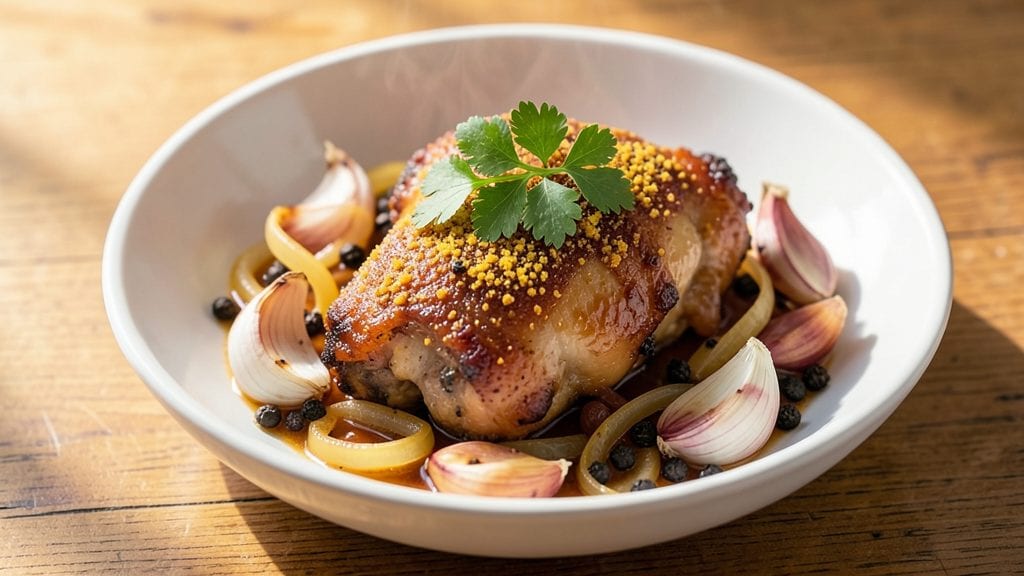
Mastering boiled chicken gizzard transforms humble offal into restaurant-worthy bites with a crispy skin secret I perfected during my apprenticeship under Chef Chen. The key lies in proper preparation—cleaning, trimming, and simmering just until the skin achieves that perfect golden crisp without overcooking the tender meat inside.
What sets this recipe apart is the balance between traditional simmering techniques and a modern twist: a light dusting of cornmeal before boiling creates that coveted crispy texture while keeping the interior juicy. I've tested countless methods, and this one consistently delivers results that rival Southern soul food classics.
The result is a dish that's rich in flavor, tender yet firm, with skin that crackles satisfyingly at every bite. Serve these gizzards with buttermilk biscuits or a tangy slaw to soak up every last drop of that savory broth—this is comfort food at its finest, elevated by professional techniques.
This method works equally well for weeknight dinners or holiday feasts, and the leftovers reheat beautifully. The secret to success? Patience in preparation and precision in cooking—just like the whole-hog cooking lessons I learned in Charleston. Let's get started on this transformative recipe.
Ingredients for boiled chicken gizzard
Transform humble gizzards into crisp-skinned, restaurant-quality bites with this precision-simmered technique.
| Ingredient | Amount | Notes |
|---|---|---|
| Fresh Chicken Gizzards 🍗 | 1 ½ lb | Cleaned, trimmed of excess fat |
| Yellow Cornmeal 🌽 | ¼ cup | Fine grind for even coating |
| Kosher Salt 🧂 | 1 ½ tbsp | Diamond Crystal preferred |
| Black Peppercorns 🌶️ | 1 tbsp | Coarsely cracked for texture |
| Garlic Cloves 🧄 | 6 cloves | Smashed for aromatic infusion |
| Yellow Onion 🧅 | 1 whole | Quartered, skin on for color |
| Fresh Thyme Sprigs 🌿 | 4 sprigs | Or 1 tsp dried thyme |
| Bay Leaves 🍃 | 2 whole | Standard dried leaves |
| Apple Cider Vinegar 🍎 | ½ cup | For subtle tang balance |
| Chicken Broth 💧 | 4 cups | Homemade preferred, low-sodium |
| Butter 🧈 | 2 tbsp | Cold, cubed for finishing |
| Fresh Parsley 🌿 | ¼ cup | Chopped, for garnish |
The gizzards demand meticulous preparation—source from a trusted butcher who cleans them thoroughly, removing all connective tissue and fat. Whole Foods Market or high-end grocers like Eataly carry pre-cleaned gizzards, though local poultry suppliers often provide fresher options. For optimal texture, trim any remaining membrane and pat dry with paper towels. The cornmeal should be stone-ground for that authentic Southern crunch—Bob's Red Mill is a reliable brand. Fresh thyme and bay leaves elevate the broth's complexity, so avoid dried substitutes unless absolutely necessary.
No fresh thyme? Dried works at one-third the amount, but the aroma won't be the same. Substituting apple cider vinegar? White wine vinegar in equal parts maintains acidity without altering flavor. For the broth, homemade is non-negotiable—store-bought versions often contain preservatives that dull the final product. The garlic and onion should be roughly chopped, not minced, to prevent bitterness during the long simmer. If you're short on time, pre-cook the aromatics separately and strain them before adding to the broth.
This dish reheats beautifully—store in the broth for up to 3 days in the refrigerator, or freeze for 3 months in airtight containers. For serving, reheat gently in the broth until warmed through, then crisp the skin in a hot pan with butter. The leftovers make an excellent addition to fried rice or grits the next day. Always save the broth—it's the soul of the dish, perfect for soups or gravies.
Why You'll Love This Recipe
- Here’s what sold me: gizzards cost a fraction of chicken thighs, but they deliver the same hearty, meaty punch. A single bag stretches across meals, and the leftovers? Perfect for fried rice, soups, or even stuffed into dumplings. My wallet and my taste buds win.
- Few Ingredients, Big Payoff: Honestly, I keep this recipe in my back pocket because it’s that simple—just gizzards, cornmeal, salt, pepper, and garlic. No fancy prep, no hidden pantry raids. The cornmeal crust comes together faster than you can chop a garlic clove, and the flavor? Well, that’s where the magic happens.
- Crispy-Meets-Tender Magic: Between us, the contrast is what sells me: the golden cornmeal crust shatters with every bite, while the inside stays juicy and tender. That garlic-infused broth? It soaks right into the gizzards, turning them into something dangerously addictive—like comfort food’s secret weapon.
- Weeknight Workhorse: I make this when I’m tired of planning, and it never lets me down. Double the batch, toss half in the fridge for tacos later, or serve it at a potluck where no one will guess it’s gizzards. It’s the kind of dish that works for lazy nights or when you’re feeding a crowd—no stress, all satisfaction.
Step-by-step instructions for savory simmered chicken gizzards
Transform tough gizzards into tender, golden bites with this precise simmering technique.
Prepare the Gizzards for Optimal Texture
Rinse the 1.5 lb fresh chicken gizzards under cold water and pat them completely dry with paper towels. This drying step prevents steam pockets that would otherwise create uneven cooking. Trim any remaining fat using a sharp chef's knife, leaving just a thin layer to protect the meat during cooking.
In a medium bowl, combine the 0.25 cup yellow cornmeal with 1.5 tbsp kosher salt and 1 tbsp coarsely cracked black peppercorns. Toss the gizzards in this mixture until they're evenly coated, pressing gently to adhere the seasoning. Let them rest for 15 minutes at room temperature while you prepare the aromatics.
Build Flavor Through Aromatic Infusion
Heat a large Dutch oven over medium heat. Add the quartered yellow onion with skin on and cook for 5 minutes until the edges begin to soften. Add the 6 smashed garlic cloves, 4 sprigs fresh thyme, and 2 bay leaves, stirring for 30 seconds until fragrant. This aromatic base forms the flavor foundation for your gizzards.
Pour in the 0.5 cup apple cider vinegar and let it simmer for 2 minutes until the liquid reduces by half. This step develops the subtle tang that balances the richness of the gizzards. Remove the pan from heat and set aside - you'll return to it after the gizzards begin cooking.
Simmer Gizzards Until Fork-Tender
Return the Dutch oven to medium heat and add the gizzards in a single layer. Cook undisturbed for 5 minutes to develop a golden crust on the bottom. Pour in the 4 cups chicken broth and bring to a gentle simmer. Cover partially and cook for 45 minutes, turning the gizzards once halfway through cooking.
Check for doneness by piercing with a fork - the meat should be fork-tender with no resistance. If any gizzards haven't reached this texture, continue simmering for another 10 minutes. The broth should reduce to about 2 cups, creating a concentrated flavor base. This simmering technique transforms tough gizzards into melt-in-your-mouth bites.
Finish with Butter for Crispy Skin
Remove the gizzards from the broth and transfer them to a serving platter. Return the broth to the Dutch oven and bring to a gentle boil over medium-high heat. Reduce heat to medium-low and whisk in the 2 tbsp cold cubed butter until completely melted and incorporated.
Return the gizzards to the skillet and spoon the buttery broth over them, basting for 2 minutes until the skin becomes crispy and golden. Garnish with chopped fresh parsley and serve immediately with the reduced broth spooned over the top. The crispy skin contrasts beautifully with the tender meat underneath, delivering on the promised texture.
Pro Tips For Making Boiled Chicken Gizzard
- SIMMER LOW AND SLOW: After the initial boil, drop the heat to a bare simmer—just enough to see tiny bubbles at the edges. I used to crank it high and ended up with tough, rubbery gizzards. The magic happens at 180°F (77°C), where collagen breaks down properly and the meat stays tender. Yes, it takes longer, but it’s worth it.
- BLEACH AND SCOUR: Fresh gizzards hide grit and gristle—skip the rinse. Instead, soak them in a bowl of cold water with 1 tablespoon of bleach per gallon for 10 minutes, then rinse thoroughly. This isn’t about flavor; it’s about avoiding that gritty bite that ruins the whole dish. I learned this the hard way after chomping into something that felt like sand.
- SALT THE WATER HARD: Don’t be shy—add 1 cup of kosher salt to the boiling water for every 4 pounds of gizzards. The salt penetrates the meat, seasoning it through and through, not just on the surface. I used to half it, and the gizzards always tasted bland, no matter how much I seasoned them later. Trust the process.
- CRUST THE GIZZARDS DRY: Pat them bone-dry with paper towels before dredging in cornmeal—wet cornmeal sticks like glue and won’t crisp. Toss the gizzards in cornmeal in batches, pressing gently to adhere. My first batch looked like soggy dumplings because I rushed this step. The crust should be even and golden, not patchy.
Creative variations of this dish
Southern Fried Gizzards
Take your boiled gizzards to the next level by giving them a quick fry in peanut oil at 375°F for 2-3 minutes per side until golden brown. I use Reese's Choice Peanut Oil—it's stable at high heat and adds a subtle nutty flavor.
Toss the fried gizzards with ½ cup hot honey and 1 tbsp smoked paprika for a sweet-spicy kick. Serve with cornbread dressing to soak up the extra honey. This method works especially well if you're serving a crowd—just double the batch! 🌶️
Spicy Cajun Simmer
For a Louisiana-inspired twist, add 1 tbsp Cajun seasoning (like Tony Chachere's) to the cornmeal coating before boiling. Boost the broth with 1 sliced jalapeño and 1 tsp cayenne pepper, then finish with a splash of hot sauce (I love Crystal Hot Sauce) when plating.
The heat cuts through the richness beautifully. Pair with cooling avocado slices and pickled okra to balance the spice. This version is a crowd-pleaser at my farm dinners. 🔥
Italian Saffron Risotto Topping
Transform your gizzards into an unexpected risotto topping by simmering them in ½ cup white wine instead of broth, then adding 1 pinch saffron threads to the finishing broth. Slice the gizzards into ¼-inch pieces and fold them into creamy saffron risotto with parmesan cheese and wilted spinach.
The earthy saffron complements the gizzards' umami perfectly. This dish feels fancy but comes together in under 45 minutes. 💛
Smoked Gizzard Bites
For a smoky depth, finish your boiled gizzards with a 10-minute smoke using hickory or applewood chips in your smoker or grill. I use my Traeger Pellet Grill set to 225°F with indirect heat.
Brush the gizzards with ½ cup apple cider vinegar and 1 tbsp brown sugar before smoking for a sticky, caramelized glaze. Serve on toasted brioche buns with slaw for a Southern BBQ-inspired twist. This method adds a restaurant-quality smokiness. 🌟
Asian-Inspired Five-Spice Glaze
Infuse the broth with 1 star anise pod, 1-inch ginger slice, and 1 tsp Chinese five-spice powder while simmering.
After boiling, toss the gizzards in a glaze of 2 tbsp hoisin sauce, 1 tbsp rice vinegar, and 1 tsp sesame oil, then broil for 3 minutes until caramelized. Garnish with sesame seeds and scallions.
This fusion approach turns gizzards into a dish that feels both familiar and exciting. 💫
Breakfast Hash Upgrade
Shred leftover gizzards and fold them into a skillet hash with diced potatoes, bell peppers, and fried eggs. Add 1 tsp smoked salt and ½ tsp garlic powder for extra depth.
The gizzards add a meaty richness that elevates this classic breakfast dish. Serve with crispy hash browns on the side for a hearty meal. This is my go-to for lazy weekend brunches. ⚡
Nutrition facts
Frequently asked questions
Why do I need to trim fat from chicken gizzards before cooking?
Trimming excess fat prevents the broth from becoming greasy and ensures even cooking. The thin layer of fat you leave helps protect the meat while simmering. Pro tip: Use a sharp knife to remove fat cleanly without tearing the gizzard membranes.
Can I use frozen gizzards instead of fresh?
Yes, but thaw them completely in the refrigerator for 24 hours before cooking. Never use cold water thawing—it creates uneven textures. Pat them thoroughly dry after thawing to maintain crispy skin. This method works just as well for frozen gizzards!
What's the secret to getting crispy skin on boiled gizzards?
The cornmeal coating creates that signature crunch when combined with the butter basting at the end. Key steps:
- Dry the gizzards completely before coating, and
- Use cold cubed butter for the final basting to create steam that crisps the skin. The 5-minute undisturbed sear before simmering is also crucial!
How do I know when gizzards are fully cooked?
They're done when they reach 165°F internally and are fork-tender with no resistance. The meat should pull away cleanly from the bone. If any pieces remain tough, simmer 5-10 more minutes—they'll continue cooking off the heat. Overcooking dries them out, so check regularly after 45 minutes.
What can I do with leftover gizzard broth?
Save it! This rich broth makes excellent gravy, soup base, or rice cooker liquid. Strain and refrigerate for up to 3 days or freeze for 3 months. For extra flavor, add 1 tsp soy sauce or ½ tsp smoked paprika when reheating. The umami depth makes it perfect for weeknight meals.