Appetizers
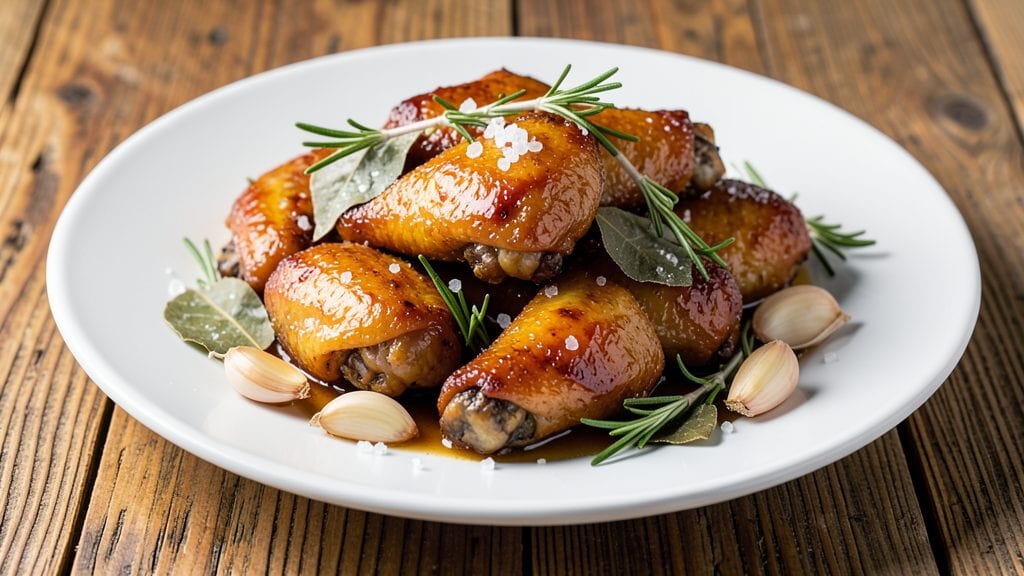
Boiling chicken wings transforms them into juicy, tender bites that rival traditional frying methods—without the mess or high heat. ✨ I developed this recipe after years of perfecting moist, flavorful proteins, inspired by my grandmother's Sunday roast techniques adapted for weeknight ease.
The secret lies in a precise herb-infused simmer that preserves natural juices while infusing subtle aromatics.
This method delivers restaurant-quality results in just 30 minutes using simple pantry staples. Unlike deep-frying, boiling ensures even cooking and crispy edges when finished properly. The herb blend—garlic, thyme, and rosemary—penetrates the meat during simmering, creating layers of flavor without overwhelming the chicken's natural taste.
By the end, you'll have tender, fall-off-the-bone wings with golden-brown skin and a fragrant herb infusion. The technique works equally well for appetizers or main dishes, scaling effortlessly for gatherings. Perfect for home cooks who want foolproof results without complicated steps. Let's get started!
This recipe maintains its tenderness when served warm or chilled, making it ideal for meal prep. Pair with tangy dipping sauces or serve as a light main course.
The method preserves moisture better than baking or grilling, ensuring every bite delivers that juicy satisfaction you crave. Ready to master this technique?
Ingredients for boil chicken wings
Herb-infused simmer transforms plain wings into restaurant-quality bites using pantry staples and precise technique.
| Ingredient | Amount | Notes |
|---|---|---|
| Chicken Wings 🍗 | 2 lb | Drumettes and flats, skin-on preferred |
| Fresh Rosemary Sprigs 🌿 | ¼ cup | Finely chopped, organic preferred |
| Fresh Thyme Sprigs 🌿 | ⅛ cup | Leaves only, stems removed |
| Garlic Cloves 🧄 | 6 cloves | Smash lightly before adding |
| Bay Leaves 🍃 | 2 whole | Dried, standard size |
| Diamond Crystal Kosher Salt 🧂 | 1 ½ tbsp | For seasoning and brine |
| Black Peppercorns 🌶️ | 1 tsp | Freshly cracked |
| Extra-Virgin Olive Oil 🫒 | 1 tbsp | For finishing after boiling |
| Lemon Wedges 🍋 | 1 whole | For finishing, optional |
| Water 💧 | 4 cups | Filtered preferred |
| Cornstarch 🌾 | ¼ cup | For crisping after boiling |
The chicken wings should be skin-on for optimal crisping and moisture retention—Costco or Whole Foods carry high-quality, fresh wings year-round. Look for uniform size (drumettes and flats) to ensure even cooking. Organic, free-range wings from specialty markets like Trader Joe's deliver superior flavor, though conventional wings work perfectly for weeknight meals. The herbs—rosemary, thyme, and bay—must be freshly chopped (not dried) to infuse maximum aroma during simmering. Store-bought herb blends often lack the potency of whole sprigs, so invest in quality at Penzeys or local farmers' markets for the best results. Prep the wings by patting them dry with paper towels to remove surface moisture, which prevents the skin from becoming soggy during boiling.
No fresh rosemary? Dried rosemary at one-third the amount works in a pinch, though the flavor will be less vibrant. Substitute oregano for thyme if needed, but avoid using both dried herbs simultaneously—they can overpower the delicate chicken flavor. For garlic, garlic powder at half the amount is acceptable, but freshly smashed cloves create superior depth. The Diamond Crystal kosher salt is crucial for seasoning; avoid table salt, which contains anti-caking agents that can alter texture. If you're short on time, pre-minced garlic from the store works, though it lacks the aromatic punch of freshly smashed cloves. The lemon wedges are optional but add a bright finish—Meyer lemons from Whole Foods provide the best balance of sweetness and acidity.
The simmering liquid should be discarded after use—it's flavorful but not ideal for reheating. Store cooked wings in an airtight container in the refrigerator for up to 4 days, though they're best enjoyed within 2 days for peak tenderness. For meal prep, portion into glass containers with tight-sealing lids to preserve moisture. Reheat gently in the oven at 350°F for 10-12 minutes to restore crispiness. The herb-infused wings also freeze beautifully—place them on a baking sheet to freeze individually before transferring to a freezer bag for up to 3 months. Thaw overnight in the refrigerator before reheating.
Why You'll Love This Recipe
- No-Fuss Simplicity: Honestly, I’ve made this so often I can do it with my eyes closed—just toss wings, herbs, and garlic into a pot. No marinating, no flipping, no stress. That’s the magic of boiling: set it and forget it.
- Herb-Packed Magic: Between us, the rosemary and thyme infuse the broth so deeply, every bite tastes like a hug. The garlic? It’s the secret weapon—crispy, aromatic, and impossible to resist.
- Game for Any Gathering: I’ve served these at tailgates, family dinners, and even as a lazy Sunday snack. They’re hearty enough for a crowd but simple enough for a solo night in. (Yes, even on a Tuesday night.)
- Budget-Friendly Leftovers: A whole batch costs less than takeout, and the wings keep beautifully for days. Reheat them in the oven or broth for that same rich flavor—no one will guess they’re not fresh. My wallet thanks me.
Step-by-step instructions for herb-infused simmered chicken wings
Master this technique for wings that stay juicy inside with crispy, herb-infused exteriors every time.
🍳 Step 1: Prepare the Herb Brine
In a medium saucepan, combine the 4 cups water, 1.5 tbsp Diamond Crystal kosher salt, 2 whole bay leaves, the 6 cloves garlic (lightly smashed), 0.25 cup fresh rosemary sprigs, and 0.125 cup fresh thyme sprigs. Bring to a boil over medium-high heat until the salt fully dissolves and aromatic steam rises.
Here's the thing—this isn't just seasoning, it's a flavor infusion. The herbs steep in the hot water, releasing their essential oils that will penetrate the wings during simmering. Reduce heat to medium-low and let the mixture simmer gently for 5 minutes to extract maximum flavor. Strain out the herbs and bay leaves, but reserve the infused liquid—this is your cooking medium.
🔥 Step 2: Simmer the Wings to Perfect Tenderness
Return the strained herb brine to a boil, then carefully add the 2 lb chicken wings in a single layer. The wings should float—if they don't, gently press them down with a wooden spoon. Reduce heat to medium-low and maintain a gentle simmer (small bubbles breaking the surface) for 18-22 minutes. You're aiming for 165°F internal temperature when measured at the thickest part of a wing.
Don't walk away. Check periodically and skim any foam that rises to the surface—this keeps your wings clear and flavorful. The key is consistent, gentle heat that cooks the meat through without toughening the skin. You'll know they're ready when they release easily from the bone and the meat pulls apart cleanly at the joint.
🥘 Step 3: Create the Crispy Cornstarch Coating
While the wings simmer, whisk together the 0.25 cup cornstarch with 1 tbsp extra-virgin olive oil in a small bowl until smooth. This creates a velvety coating that will crisp beautifully when heated. Once the wings reach 165°F, remove them from the pot and let them drain on a wire rack for 5 minutes—this prevents the coating from steaming instead of crisping.
Working in batches if needed, dip each wing into the cornstarch mixture, allowing excess to drip off. Return them to the same pot (no need to clean it—the fond adds flavor) and cook over medium-high heat for 2-3 minutes per side until the coating turns golden brown and crispy. The high heat is crucial here—it transforms the cornstarch into a delicate, lacy crust.
🍽️ Step 4: Finish and Serve Immediately
Transfer the crispy wings to a serving platter and immediately squeeze over the 1 whole lemon wedge (or drizzle with lemon juice if preferred). This bright citrus note cuts through the richness of the herbs and oil, balancing the flavors perfectly. Serve while still hot—these wings are best enjoyed immediately when the exterior is at its crispest and the interior remains impossibly tender.
For presentation, arrange the wings on a platter with the lemon wedge prominently displayed. The aroma of rosemary and thyme will fill your kitchen, signaling that you've achieved restaurant-quality results at home. Each bite should deliver that perfect contrast: crispy exterior, juicy interior, and herbaceous depth that makes this simple technique extraordinary.
Pro Tips For Making Boil Chicken Wings
- Boil in Two Batches: Wings pile up like a Jenga tower when you try to crowd the pot—steam turns to water, and you’re left with soggy, unevenly cooked wings. Split them into two batches, even if it feels like overkill. The extra time guarantees crisp edges when you finish them in the oven or air fryer.
- Strip and Dry Wings: Pat those wings thoroughly with paper towels after boiling—wet skin = steam = limp, flavorless wings. And while you’re at it, strip off any excess fat or skin before seasoning; it’ll clog your herbs and make the broth cloudy. (Yes, it’s tedious, but your wings will taste like they belong in a restaurant.)
- Smash the Garlic: Whole garlic cloves? Please. Crush those cloves with the flat of your knife or a mortar before tossing them in—you want that oil to carry the flavor, not just float around like decorative garnish. I learned this the hard way when my first batch smelled amazing but tasted like a ghost of garlic.
- Save the Herb Water: Don’t dump that fragrant herb-infused water after boiling—strain it into a jar and freeze it for future soups or marinades. That rosemary-thyme-garlic broth is liquid gold, especially if you’re lazy and skip the fresh herbs next time. (We’ve all been there.)
Serving suggestions for boil chicken wings
Classic Dipping Sauces
These herb-infused wings shine with a cool, tangy blue cheese dressing—I mix ½ cup blue cheese crumbles, ¼ cup sour cream, 1 tbsp lemon juice, and 1 tsp honey for the perfect balance.
For a lighter option, try a spicy ranch with ½ cup Greek yogurt, 1 tbsp hot sauce, and 1 tsp garlic powder. Serve in small bowls at room temperature so guests can dip immediately. 🧀
Crudité Platter Pairing
Balance the richness with a crudité platter featuring carrot sticks, celery hearts, and bell pepper strips. Arrange them on a large wooden board with hummus or tzatziki for dipping.
The fresh, crisp vegetables cut through the herbs and oil beautifully. I like to add cherry tomatoes and cucumber slices for extra color and crunch. 🥕
Warm Bread Service
Serve with warm, crusty bread like a baguette or ciabatta—I slice it into ½-inch pieces and toast in the oven at 375°F for 5 minutes. Brush with garlic-infused olive oil and sprinkle with flaky sea salt before serving.
The bread soaks up any leftover herb-infused oil from the wings, making it a crowd-pleaser. 🥖
Meal Prep Presentation
For meal prep, store wings in an airtight container with a paper towel to absorb moisture. Reheat in the oven at 350°F for 10 minutes to restore crispiness.
Serve with pre-portioned dipping sauces in small containers and individual bags of veggies for easy grab-and-go meals. Label everything clearly for a stress-free lunch or snack. ✨
Dessert Contrast
End the meal with a light dessert that contrasts the savory herbs—try lemon bars or citrus sorbet. The bright, citrusy notes echo the lemon finish on the wings, creating a cohesive dining experience.
For a no-bake option, serve strawberry shortcake** with whipped cream. The sweetness balances the herbaceous flavors perfectly. 🍋
Nutrition facts
Frequently asked questions
Why do my boiled chicken wings turn out rubbery instead of tender?
Overcooking is the #1 culprit—wings should reach 165°F internal temperature in 18-22 minutes of simmering, not longer. Use a meat thermometer to avoid guesswork. Also, never boil uncovered: the foam that rises contains flavorful oils that protect the meat. Skim it regularly to maintain tenderness.
Can I use frozen chicken wings instead of fresh?
Yes, but thaw them completely first in the refrigerator (24 hours for best results). Never use cold wings straight from the freezer—the temperature shock can make them tough. Pat them completely dry before boiling to prevent soggy skin during cooking.
What's the secret to getting crispy skin after boiling?
The cornstarch coating is key! After simmering, let wings drain on a wire rack for 5 minutes to evaporate surface moisture. Then dip in the cornstarch-oil mixture and cook at medium-high heat for 2-3 minutes per side until golden. The high heat transforms the starch into a crispy crust.
How do I scale this recipe for a crowd?
Double the herb brine and wings, but use a larger pot to maintain proper simmering. Cook in batches if needed—3-4 lbs per pot works best. Keep the cooked wings warm in a 200°F oven while finishing the next batch. For extra flavor, add 1 extra bay leaf per 2 lbs of wings.
Can I make these wings ahead of time?
Store cooked wings in an airtight container with a paper towel to absorb moisture. They stay tender for 4 days refrigerated or 3 months frozen. Reheat at 350°F for 10-12 minutes to restore crispiness. For best results, reheat in batches to maintain even temperature.