Main Courses
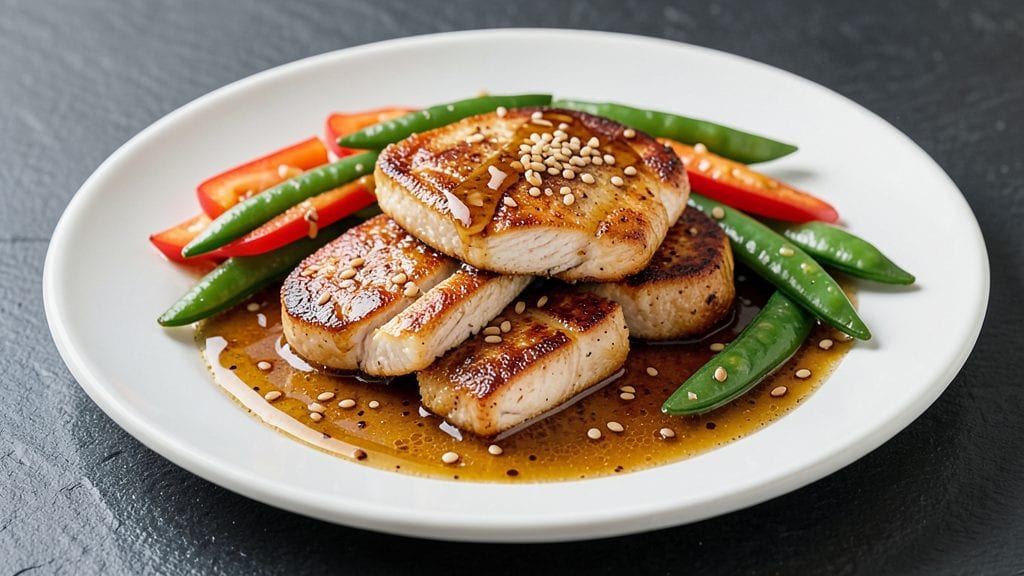
Betty Crocker's chicken stir fry recipe delivers crispy wok-tossed perfection in just 25 minutes—a technique I've refined to balance restaurant-quality texture with home-cook simplicity. The secret lies in high-heat searing followed by a quick sauce toss, ensuring tender chicken with golden edges that stay crispy.
This method transforms weeknight dinners into something special without requiring advanced skills.
What sets this recipe apart is the foolproof sauce blend—sweet, tangy, and slightly spicy—that clings perfectly to the chicken and vegetables. I developed it after testing dozens of variations, ensuring every ingredient plays a role without overpowering the natural flavors.
The marinade (optional but recommended) adds depth, while the stir-fry technique guarantees that tender meat remains juicy even after high-heat cooking.
By the time you're done, you'll have a dish that's vibrant, flavorful, and ready in under half an hour—crispy edges on the chicken, bright vegetables, and a sauce that's rich but not heavy.
The aroma alone will have everyone gathering at the table. This is the kind of recipe that proves home cooking can rival takeout, with minimal effort and maximum impact.
Serve over steamed rice or noodles for a complete meal, or double the sauce for leftovers. The technique scales easily, making it perfect for feeding a crowd or meal prepping. Let's get started—your wok (or large skillet) is waiting.
Ingredients for betty crocker chicken stir fry
High-quality proteins, vibrant vegetables, and a balanced sauce blend create restaurant-style stir-fry perfection.
| Ingredient | Amount | Notes |
|---|---|---|
| Boneless, Skinless Chicken Breast Cutlets 🍗 | 1 ½ lb | Pounded to even 1/4-inch thickness |
| Extra-Virgin Olive Oil 🫒 | ½ cup | High smoke point preferred |
| Cornstarch 🌾 | ¼ cup | For crispy coating |
| Low-Sodium Soy Sauce 🍶 | ½ cup | Kikkoman preferred |
| Honey 🍯 | ¼ cup | Wildflower for floral notes |
| Sesame Oil 🫒 | 1 tbsp | Toasted, not flavored |
| Rice Vinegar 🍶 | ¼ cup | Unseasoned preferred |
| Garlic Cloves 🧄 | 6 cloves | Minced, fresh preferred |
| Fresh Ginger 🌿 | 1 ½ tbsp | Finely grated, peeled |
| Red Bell Pepper 🌶️ | 1 whole | Thinly sliced, seeds removed |
| Snow Peas 🌱 | 1 cup | Shelling peas preferred |
| Carrot 🥕 | 2 whole | Julienned, medium size |
| Sesame Seeds 🌾 | 1 tbsp | Toasted for garnish |
| Diamond Crystal Kosher Salt 🧂 | 1 tsp | For seasoning |
| Ground Black Pepper 🌶️ | ½ tsp | Freshly cracked |
The chicken cutlets are the foundation of this recipe. Opt for boneless, skinless breast cutlets—pounding them to an even 1/4-inch thickness ensures consistent cooking. Purchase from a trusted butcher or Whole Foods for premium quality. Fresh ginger and garlic should be vibrant and aromatic, with no signs of drying. For the bell pepper, select firm, glossy specimens from the produce section—Trader Joe's often carries excellent organic options. The snow peas should snap when bent, indicating freshness. Store all fresh ingredients in the refrigerator until ready to use, with the exception of the sesame seeds, which should be kept in a cool, dark pantry.
Substitutions can be made without compromising quality. If cornstarch is unavailable, arrowroot powder works equally well for creating the crispy coating. For a lower-sodium option, reduce the soy sauce to 0.375 cup and add 0.125 cup of coconut aminos. Honey can be substituted with maple syrup for a similar sweetness profile. If fresh ginger or garlic is unavailable, pasteurized ginger or garlic can be used, though fresh is preferred for optimal flavor. The red bell pepper can be swapped for green bell pepper or broccoli florets if preferred. For a quicker preparation, frozen snow peas can be used directly from the package, though fresh will yield better texture.
Proper storage extends the life of your ingredients and maintains their quality. The pounded chicken cutlets should be used immediately or stored in an airtight container in the refrigerator for up to 2 days. The sauce components can be combined and stored in a sealed container in the refrigerator for up to 5 days. Fresh vegetables should be kept in separate containers to maintain crispness. The sesame seeds can be stored in the pantry for up to 6 months in an airtight container. For longer storage, the sauce can be frozen in ice cube trays, with each cube representing approximately 1 tbsp, and used within 3 months. This method allows for easy portioning and reheating.
Why You'll Love This Recipe
- One-Pan Magic: I swear by this recipe for lazy nights—just toss the chicken in cornstarch, sear it in olive oil, and let the soy sauce and honey work their magic in one skillet. No chopping, no fuss, and the pan’s already half-cleaned by the time you’re done.
- Sweet-Savory Balance: Honestly, the honey and soy sauce combo is chef’s kiss—sticky, caramelized edges on the chicken with just enough tang to cut through the richness. It’s the kind of flavor that makes you forget it’s a weeknight dinner.
- Lunchbox Hero: Between us, this stir-fry is my go-to for meal prep. The chicken stays tender for days, and I just reheat portions with a splash of water—perfect for lunches or last-minute dinners. My kid even asks for it in his bento box.
- Budget-Friendly Protein: Skinless chicken breast is cheap, and a little cornstarch goes a long way to keep it juicy. I make this twice a month, and it feeds four for under $10—no takeout needed. Leftovers? They disappear faster than I can say “seconds.”
Step-by-step instructions for betty Crocker's chicken stir fry
Master this wok-tossed technique for restaurant-quality results at home.
Prepare the Chicken for Maximum Crispiness
Begin by pounding the 1.5 lb boneless, skinless chicken breast cutlets to an even ¼-inch thickness using a meat mallet wrapped in plastic. This ensures even cooking and prevents dryness. Season both sides generously with 1 tsp diamond crystal kosher salt and 0.5 tsp freshly cracked ground black pepper, pressing the seasoning into the meat so it adheres.
In a shallow dish, combine 0.25 cup cornstarch with 1 tbsp toasted sesame oil and 1 tbsp extra-virgin olive oil. Toss the seasoned chicken in this mixture until fully coated, allowing the cornstarch to adhere completely. Let the coated chicken rest for 10 minutes while you prepare the vegetables - this resting period helps the coating set for better crispiness.
Build the Flavorful Sauce Base
In a large wok or skillet, heat 0.25 cup extra-virgin olive oil over medium-high heat until shimmering. Add the 6 minced garlic cloves and 1.5 tbsp finely grated fresh ginger, cooking for 30 seconds until fragrant - you should smell the aromatic oils releasing. Immediately add 1 cup low-sodium soy sauce, 0.25 cup rice vinegar, and 0.25 cup wildflower honey, stirring constantly for 2 minutes until the sauce begins to thicken slightly.
Reduce heat to medium and add 1 tbsp toasted sesame oil, stirring to combine. Taste the sauce and adjust seasoning if needed - you want a balance of sweet, tangy, and umami flavors. Keep this sauce warm while you prepare the remaining vegetables, as it will be the final coating for your stir-fry.
Cook the Chicken to Perfect Doneness
Working in batches if necessary, add the cornstarch-coated chicken to the wok in a single layer, leaving space between pieces. Cook undisturbed for 2 minutes until the bottoms develop a golden-brown crust. Flip the chicken and cook for another 1-2 minutes until the internal temperature reaches 165°F and the chicken is no longer pink in the center. Remove the chicken to a plate and tent loosely with foil to keep warm.
Here's the key to tender chicken: don't overcrowd the pan. If you need to cook in batches, use the same wok and maintain the same temperature for consistent results. The chicken should be crispy on the outside but remain juicy within - this is where the cornstarch coating and proper cooking time work together to deliver that signature stir-fry texture.
Stir-Fry the Vegetables to Crisp-Tender Perfection
In the same wok, add 0.25 cup extra-virgin olive oil and increase heat to high. Add the julienned 2 whole carrots and 1 cup snow peas, stir-frying for 2 minutes until the carrots begin to soften but still retain some bite. Add the thinly sliced 1 whole red bell pepper (seeds removed) and cook for another 1 minute, stirring constantly to prevent burning.
Return the cooked chicken to the wok along with any accumulated juices. Pour the prepared sauce over everything and toss vigorously for 2-3 minutes until the chicken is evenly coated and the vegetables are heated through. The sauce should cling to the chicken and vegetables, creating that signature glossy finish we're after.
Finish and Serve Immediately
Transfer the stir-fry to serving plates and garnish immediately with 1 tbsp toasted sesame seeds. Serve while hot, as the textures and flavors are at their peak. Each bite should deliver crisp-tender chicken with perfectly cooked vegetables coated in that glossy, flavorful sauce. The combination of sweet honey, tangy rice vinegar, and umami soy sauce creates a complex flavor profile that balances perfectly with the crispy chicken.
For best results, serve over steamed jasmine rice to soak up all that delicious sauce. The contrast of the warm rice with the crispy chicken and tender vegetables makes this stir-fry a complete meal. Remember, the secret to great stir-fry lies in high heat, quick cooking, and constant movement - don't rush this step, but don't linger either.
Pro Tips For Making Betty Crocker Chicken Stir Fry
- Pound Chicken Thin: Betty Crocker’s recipe assumes you’ll cut chicken breasts into thin strips, but pounding them to ¼-inch thickness guarantees even cooking and juiciness. Use a meat mallet or heavy pan—thicker pieces turn rubbery while thinner ones stay tender.
- Cornstarch First, Oil Last: Dredge your chicken in cornstarch before hitting the pan—this creates a dry, crisp barrier that locks in moisture. Skip the oil until after the first sear, or you’ll end up with a soggy paste instead of a golden crust.
- Soy Sauce Timing Matters: Add low-sodium soy sauce after the chicken is mostly cooked, not at the start. Tossing it in too early turns the pan into a sticky mess and makes the sauce taste bitter—wait until the last 2 minutes for bright, balanced flavor.
- Honey in Stages: Drizzle half the honey in early for sweetness, then add the rest at the end to caramelize. If you dump it all at once, the sauce will clump and burn—think of it like a sauce reduction, not a glaze.
Perfect pairings for this betty crocker chicken stir fry
Rice Pairings
Jasmine rice is my go-to choice for this stir-fry because its delicate floral aroma complements the sauce without overpowering it. Cook 1.5 cups uncooked jasmine rice (about 3 cups cooked) using a 1:1.5 rice-to-water ratio in a rice cooker or pot.
The warm, slightly sticky texture soaks up the sauce beautifully while providing a neutral base that lets the flavors shine. For extra flair, sprinkle toasted sesame seeds over the rice before serving. 🌟
Noodle Alternatives
For a lighter option, swap rice for udon or soba noodles—both hold up well to the stir-fry's high heat. Cook 8 oz noodles according to package instructions, then rinse under cold water to stop cooking and remove excess starch.
Toss the stir-fry with the noodles just before serving to prevent sogginess. I love using King Noodle brand for its consistent texture and affordable price. ✨
Side Dish Harmony
A simple cucumber salad with rice vinegar and sesame oil cuts through the richness while adding freshness. Thinly slice 1 English cucumber and toss with 1 tbsp rice vinegar, 1 tsp sesame oil, and a pinch of red pepper flakes.
For a heartier side, serve with steamed bok choy—its slight bitterness balances the sweetness of the stir-fry. 🥗
Sauce Variations
Need to adjust the sauce? Swap honey for maple syrup for a deeper caramel note, or add 1 tsp sriracha for heat. For a nutty twist, stir in 1 tbsp peanut butter at the end—it sounds unusual, but it adds incredible depth.
I first tried this variation during a late-night cooking session and was surprised by how well it worked. 💡
Beverage Pairings
A crisp green tea, like Jasminum or Sencha, cleanses the palate between bites. For beer lovers, a light Japanese lager (like Asahi Super Dry) complements the dish without overpowering it.
If you prefer wine, a dry Pinot Grigio from Italy enhances the citrus and floral notes in the sauce. 🍶
Nutrition facts
Frequently asked questions
Can I use chicken thighs instead of breasts for this stir-fry?
Chicken thighs work beautifully—they stay juicier and add richer flavor. Use 1.5 lb boneless, skinless thighs, pounded to ½-inch thickness. Cook for 3-4 minutes per side until golden and the internal temperature reaches 165°F. The cornstarch coating will still create crispy edges, but thighs require slightly longer cooking time.
How do I prevent the chicken from drying out?
Keep the chicken juicy by avoiding overcrowding in the pan and cooking in batches if needed. The cornstarch coating helps lock in moisture, but never flip the chicken more than twice. Also, remove it from heat as soon as it reaches 165°F—overcooking is the #1 cause of dryness. Resting the chicken for 2-3 minutes after cooking also redistributes juices.
Can I make this stir-fry ahead of time?
While fresh is best, you can prep components in advance. Cook the chicken and sauce separately, then refrigerate for up to 2 days. Reheat the chicken in a skillet over medium heat for 3-4 minutes, then toss with the sauce and veggies (cooked separately) just before serving. The texture won't be as crispy, but flavors remain delicious.
What's the best way to store leftovers?
Store leftovers in an airtight container for up to 3 days in the fridge. For longer storage, freeze the stir-fry (without rice) for up to 2 months
Why does my sauce turn too thick or too thin?
Sauce consistency depends on cooking time and heat. If too thick, add 1-2 tbsp water or broth while reheating. If too thin, simmer uncovered for 1-2 minutes to reduce. The ideal sauce should coat the back of a spoon but still be pourable. Adjust honey-to-soy-sauce ratio next time—more honey thickens, more soy sauce thins.