Main Courses
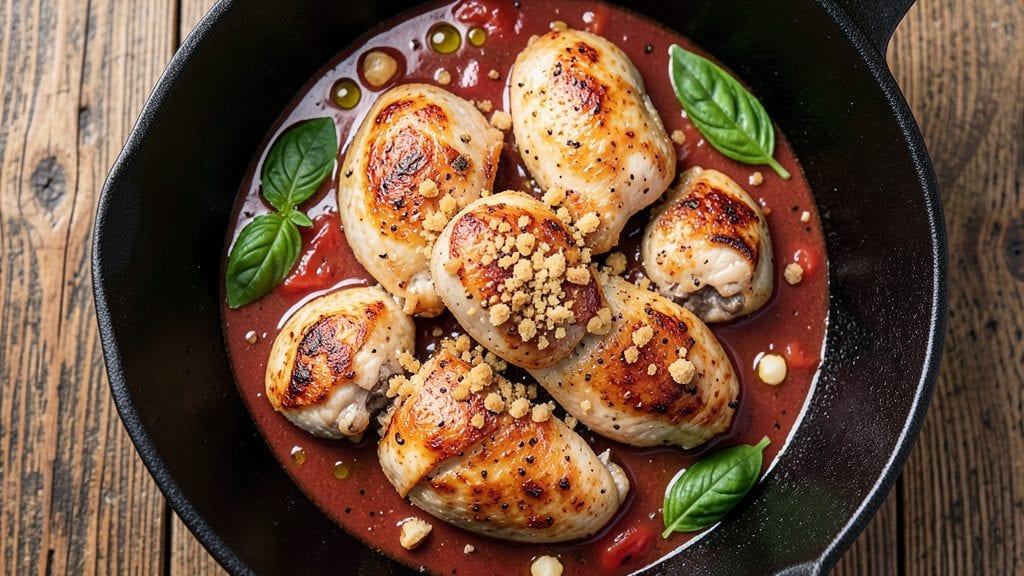
Betty Crocker's chicken cacciatore delivers the kind of tender, tomato-braised chicken that transforms a simple weeknight dinner into a restaurant-worthy meal. Growing up in small-town Georgia, I learned that slow-cooked dishes like this one—where herbs and tomatoes meld into rich, aromatic perfection—are the heart of Southern comfort food.
The secret lies in searing the chicken first to lock in juices, then braising it low and slow until the meat falls apart effortlessly.
This recipe balances simplicity with professional results, using pantry staples like canned tomatoes, garlic, and herbs to create depth without complexity. The key technique is deglazing the pan after searing, which builds layers of flavor that reduce into a velvety sauce.
With just 30 minutes of active prep and 1 hour of hands-off braising, you'll end up with golden-brown chicken pieces swimming in a sauce that's rich, tangy, and fragrant enough to fill your kitchen with warmth.
By the time you serve this dish, you'll have tender chicken that practically melts in your mouth, paired with a sauce so flavorful it clings to every bite. The herbs—basil, oregano, and thyme—add bright, earthy notes that cut through the acidity of the tomatoes, while the garlic infuses warmth.
This is the kind of meal that feels indulgent yet comes together with minimal fuss, perfect for feeding a family or impressing guests without stress.
Serve it with crusty Italian bread to soak up every last drop of sauce, or pair it with buttery polenta for a heartier dish. The leftovers reheat beautifully, making this an ideal recipe for meal prep.
Let's get started on creating this classic dish that's as comforting as it is impressive.
Ingredients for betty crocker chicken cacciatore
Pantry staples meet Southern comfort—just 14 ingredients for restaurant-style chicken cacciatore.
| Ingredient | Amount | Notes |
|---|---|---|
| Boneless, Skinless Chicken Thighs 🍗 | 1 ½ lb | Cut into 1-inch pieces |
| All-Purpose Flour 🌾 | ½ cup | For dredging chicken pieces |
| Extra-Virgin Olive Oil 🫒 | ¼ cup | For searing chicken |
| Garlic Cloves 🧄 | 6 cloves | Minced for depth of flavor |
| Canned Crushed Tomatoes 🍅 | 28 oz | High-quality, no salt added |
| Dry White Wine 🍷 | ½ cup | Substitute with chicken broth |
| Chicken Broth 💧 | 1 cup | Low-sodium preferred |
| Fresh Basil Leaves 🌿 | ¼ cup | Chopped, stems removed |
| Fresh Oregano Leaves 🌿 | ¼ cup | Chopped, or substitute dried |
| Fresh Thyme Sprigs 🌿 | 2 sprigs | Or 1 tsp dried thyme |
| Red Wine Vinegar 🍋 | 1 tbsp | For brightness |
| Kosher Salt 🧂 | 1 ½ tsp | Adjust to taste |
| Ground Black Pepper 🌶️ | 1 tsp | Freshly cracked |
| Red Pepper Flakes 🌶️ | ½ tsp | Optional for heat |
The chicken thighs are non-negotiable here—bone-in, skin-on if you can find them, but boneless works too. Costco or local butcher shops often have them pre-cut for convenience. Look for thighs with a good layer of fat; that's what keeps them juicy. For the tomatoes, Muir Glen or Cento brands are my go-to—they're consistent and don't taste like they've been sitting on a shelf for months. The herbs? Grab fresh ones if you can, but dried oregano and thyme work in a pinch (use half the amount).
No white wine? Chicken broth with a splash of red wine vinegar mimics the acidity perfectly. The flour is just for dredging—don't skip it, but don't overdo it either. King Arthur or Bob's Red Mill all-purpose flours work great. If you're using dried herbs, crush them between your palms first to wake up the flavors. The crushed tomatoes can be fresh if you're feeling fancy, but canned is fine—just drain most of the liquid first. For extra richness, add a pat of butter at the end (trust me on this).
This sauce gets better the next day—honestly, it's worth making a double batch. Keeps for 4-5 days in the fridge, freezes beautifully for 3 months. I like to portion it into containers with a side of crusty bread so lunches are ready to grab. The chicken reheats well too, just add a splash of broth or water to keep it moist. Leftovers taste even more amazing because everything melds together overnight.
Why You'll Love This Recipe
- One-Pan Magic: I swear by this recipe when I’m wiped after work—just sear the chicken thighs in olive oil, toss in garlic and flour, then dump in the crushed tomatoes. The pan does all the heavy lifting while I chop parsley.
- Garlic-Kissed Comfort: That moment when the garlic sizzles in the oil? Pure flavor payoff. The crushed tomatoes soak up the aroma, turning the chicken into something so rich, my picky husband actually licks his plate.
- Leftovers That Don’t Suck: Between us, most cacciatore recipes dry out by day two. Not this one. The thighs stay juicy, and the sauce thickens just enough to reheat like a hug—perfect for lunches or freezing for lazy nights.
- Budget Dinner Hero: Skinless thighs are forgiving and cheap, and canned tomatoes? No shame. This feeds four for under $15, with enough left to stretch into pasta or toast the next day. My wallet thanks me every time.
Step-by-step instructions for betty Crocker's chicken cacciatore recipe
This classic Italian dish delivers melt-in-your-mouth chicken with rich tomato sauce—here's how to nail it every time.
Prep and Sear the Chicken
Cut the 1.5 lb boneless, skinless chicken thighs into 1-inch pieces. Place them in a bowl with the 0.5 cup all-purpose flour, 1.5 tsp kosher salt, and 1 tsp ground black pepper. Toss gently to coat evenly—this creates a golden crust that locks in juices during cooking.
Heat the 0.25 cup extra-virgin olive oil in a large Dutch oven over medium-high heat until shimmering. Working in batches, add the chicken pieces and cook for 3-4 minutes per side until golden brown and cooked through. You'll know they're ready when they release easily from the pan. Transfer the seared chicken to a plate and set aside—don't skip this step, as it builds the foundation for flavor.
Build the Flavor Base
In the same Dutch oven, reduce heat to medium and add the 6 cloves minced garlic cloves. Sauté for 30 seconds until fragrant—don't let them brown, or they'll turn bitter. Pour in the 0.5 cup dry white wine and scrape up any browned bits from the bottom of the pan. Let it simmer for 2-3 minutes until reduced by half, allowing the alcohol to cook off and the flavors to concentrate.
Add the 28 oz canned crushed tomatoes, 1 cup chicken broth, 1 tbsp red wine vinegar, and 0.5 tsp red pepper flakes. Stir well to combine, then bring to a gentle simmer. Let it cook uncovered for 10 minutes, stirring occasionally, to allow the flavors to meld and the sauce to thicken slightly. This step develops the rich, tangy tomato base that defines cacciatore.
Finish with Herbs and Braise
Return the seared chicken pieces to the Dutch oven, nestling them into the sauce. Add the 2 sprigs fresh thyme, 0.25 cup chopped fresh basil leaves, and 0.25 cup chopped fresh oregano leaves. Stir gently to distribute the herbs evenly throughout the sauce.
Cover the Dutch oven and reduce heat to low. Let the chicken simmer for 25-30 minutes, or until the chicken is fork-tender and the sauce has thickened to your desired consistency. You'll know it's done when the chicken pulls apart easily with a fork and the sauce coats the back of a spoon. If the sauce becomes too thick, add a splash of water or broth to reach your preferred texture.
Rest and Serve
Remove the chicken pieces and sauce from heat, then let it rest for 5-10 minutes. This resting period allows the chicken to absorb the remaining sauce and ensures each bite is juicy and tender. Taste the sauce and adjust seasoning with additional kosher salt or red pepper flakes if needed.
Serve the chicken cacciatore hot, spooning the rich tomato-herb sauce over each portion. The chicken should be fork-tender with a golden crust, and the sauce should be thick enough to cling to the chicken without being gluey. Pair it with crusty bread or over pasta to soak up every last bit of that flavorful sauce.
Pro Tips For Making Betty Crocker Chicken Cacciatore
- Brown the Flour First: Dump that flour into the pan before adding oil and let it toast for 30 seconds—it’ll kill the raw taste and thicken the sauce better. I used to skip this, and the sauce always tasted flat until I realized how much difference this tiny step makes.
- Slice Garlic Thin: Crush those cloves with the flat side of your knife first, then slice them paper-thin—this way, they infuse the oil without burning. Whole cloves just sit there like decorative placeholders, and you’ll end up with bitter, charred bits.
- Deglaze Like You Mean It: After browning the chicken, pour in that crushed tomato and a splash of water or white wine—scrape every last bit of fond from the pan. That’s where the flavor lives, and skipping it means your sauce will taste like it’s missing something.
- Simmer, Don’t Boil: Keep the heat low enough that you’re just seeing tiny bubbles, not a rolling boil. Chicken thighs are forgiving, but crushed tomatoes break down into mush if you let them rage, and you’ll end up with a watery, sad sauce.
Troubleshooting this recipe
Sauce Too Thin?
If your sauce ends up watery, don’t panic—simmer it uncovered for 5-10 extra minutes to reduce it naturally. For quicker results, mix 1 tbsp cornstarch with 2 tbsp cold water and stir it in while the sauce simmers.
I’ve also had success adding 1-2 tbsp tomato paste to thicken it without altering the flavor. The goal is a sauce that coats the back of a spoon but still flows easily. 🌡️
Chicken Too Dry?
Overcooking is the usual culprit here. Once your chicken reaches 165°F internal temperature, remove it from the sauce immediately and tent it with foil to rest. If it’s still dry, try braising it at a lower temperature (300°F) for 15-20 minutes instead of simmering.
I swear by using bone-in, skin-on thighs—they stay juicier longer, even if you switch to boneless. 🍗
Herb Flavors Fading?
Fresh herbs make all the difference, but if yours are wilted or taste weak, try crushing them between your palms before adding to release their oils. For dried herbs, use half the amount and add them 10 minutes before the end of cooking.
I keep a stash of frozen basil in my freezer—just toss it straight into the sauce from frozen. 🌿
Wine Substitute Issues?
If your wine tastes too harsh or overpowering, balance it with 1 extra tbsp of red wine vinegar or a pinch of sugar. For a neutral substitute, use chicken broth + 1 tsp lemon juice.
The key is acidity—without it, the sauce will taste flat. I’ve even used apple cider vinegar in a pinch, but stick to white wine if possible. 🍷
Pan Burns Onto Chicken?
This happens when you don’t deglaze properly. Always scrape up those browned bits with your wine or broth—those are flavor bombs. If it happens anyway, add a splash of water or broth to the pan and scrape again.
I use a wooden spoon for this because it’s more effective than metal at lifting stuck-on bits. 🔥
Leftovers Too Thick?
Reheat leftovers with 2-3 tbsp water or broth to loosen the sauce. Stir in ½ tsp red wine vinegar to brighten flavors that may have mellowed.
For extra richness, add a pat of butter at the end. I always make a double batch because the flavors improve overnight—it’s worth the effort! ❄️
Nutrition facts
Frequently asked questions
Can I use chicken breasts instead of thighs?
While you can substitute chicken breasts, thighs are ideal for this dish because they stay juicier during the long braising time. If using breasts, cut them into 1-inch pieces and reduce braising time to 15-20 minutes to avoid drying out. For best results, pound them to an even thickness before cooking.
What's the best way to store leftovers?
Store leftovers in an airtight container in the refrigerator for up to 4-5 days. The sauce and chicken actually improve overnight! For longer storage, freeze portions for up to 3 months. Reheat gently on the stove with a splash of water or broth to restore moisture.
Can I make this in a slow cooker?
Sear the chicken first, then transfer everything to a slow cooker on low heat for 3-4 hours. Add fresh herbs in the last 30 minutes to preserve their flavor. The slow cooker method is perfect for hands-off cooking, though you may need to add a splash of broth if the sauce gets too thick.
How do I know when the chicken is fully cooked?
The chicken is done when it reaches an internal temperature of 165°F and the meat pulls apart easily with a fork. For extra assurance, cut into the thickest piece—if juices run clear (not pink), it's safe to eat. Never rely solely on cooking time, as sizes vary.
What's the secret to the best sauce?
The sauce's depth comes from deglazing the pan after searing and letting the wine reduce fully. Use high-quality canned tomatoes (like Muir Glen) and balance acidity with a touch of red wine vinegar. Simmer uncovered for 10 minutes before adding back the chicken to concentrate flavors.